
Eurasian Water-Milfoil (Myriophyllum spicatum)
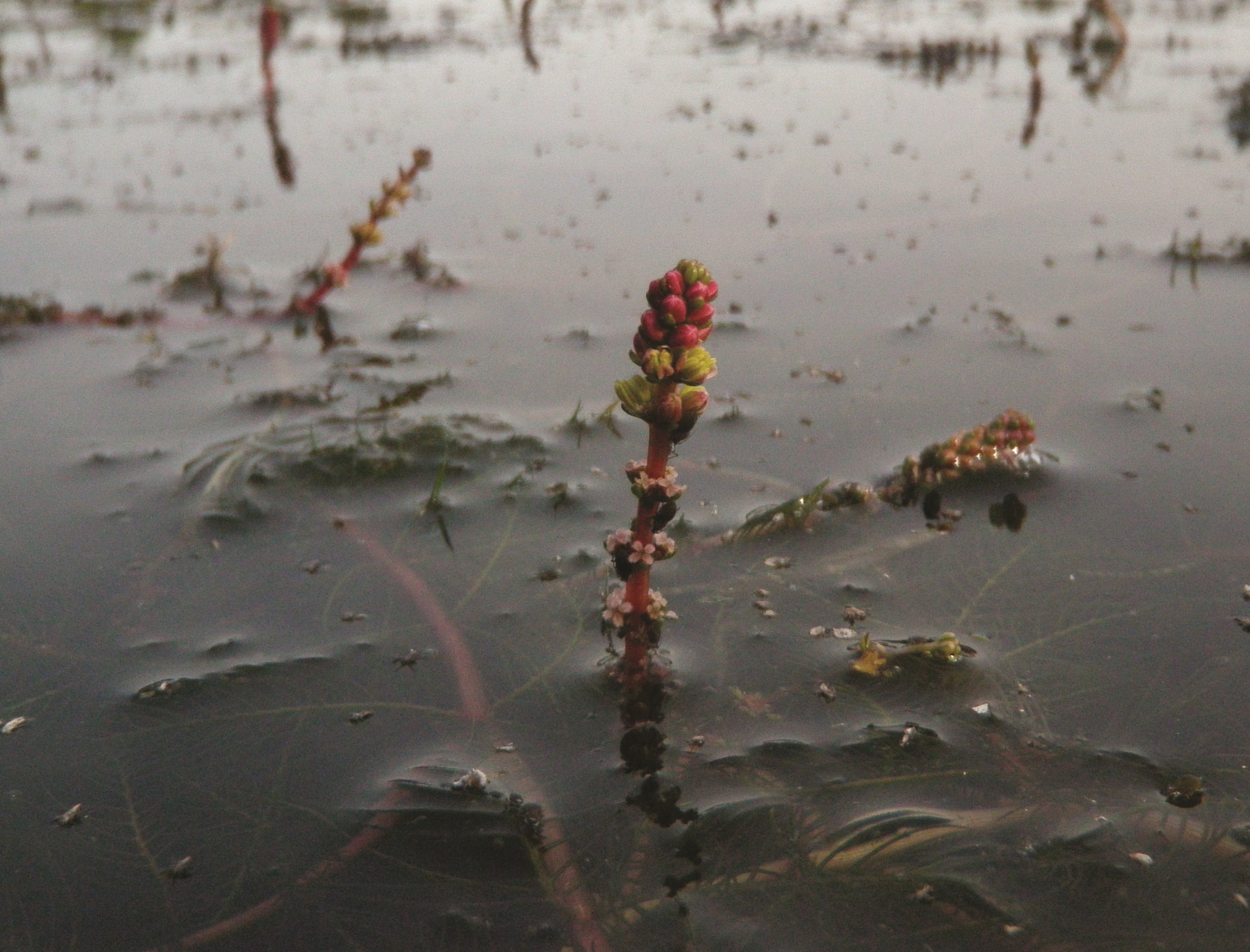
If you think you have seen Eurasian Water-Milfoil, use the Identifying features and similar species section to verify.
Report it
If you think you have found an aquatic invasive species:
- take photos
- note:
- the exact location (GPS coordinates)
- the observation date
- identifying features
- contact us to report it
On this page
- Identifying features and similar species
- Origin and current distribution
- Habitat
- Pathways of introduction and spread
- Impacts
- Government action
- What can you do
- Related links
Identifying features and similar species
Identifying features of the Eurasian Water-Milfoil
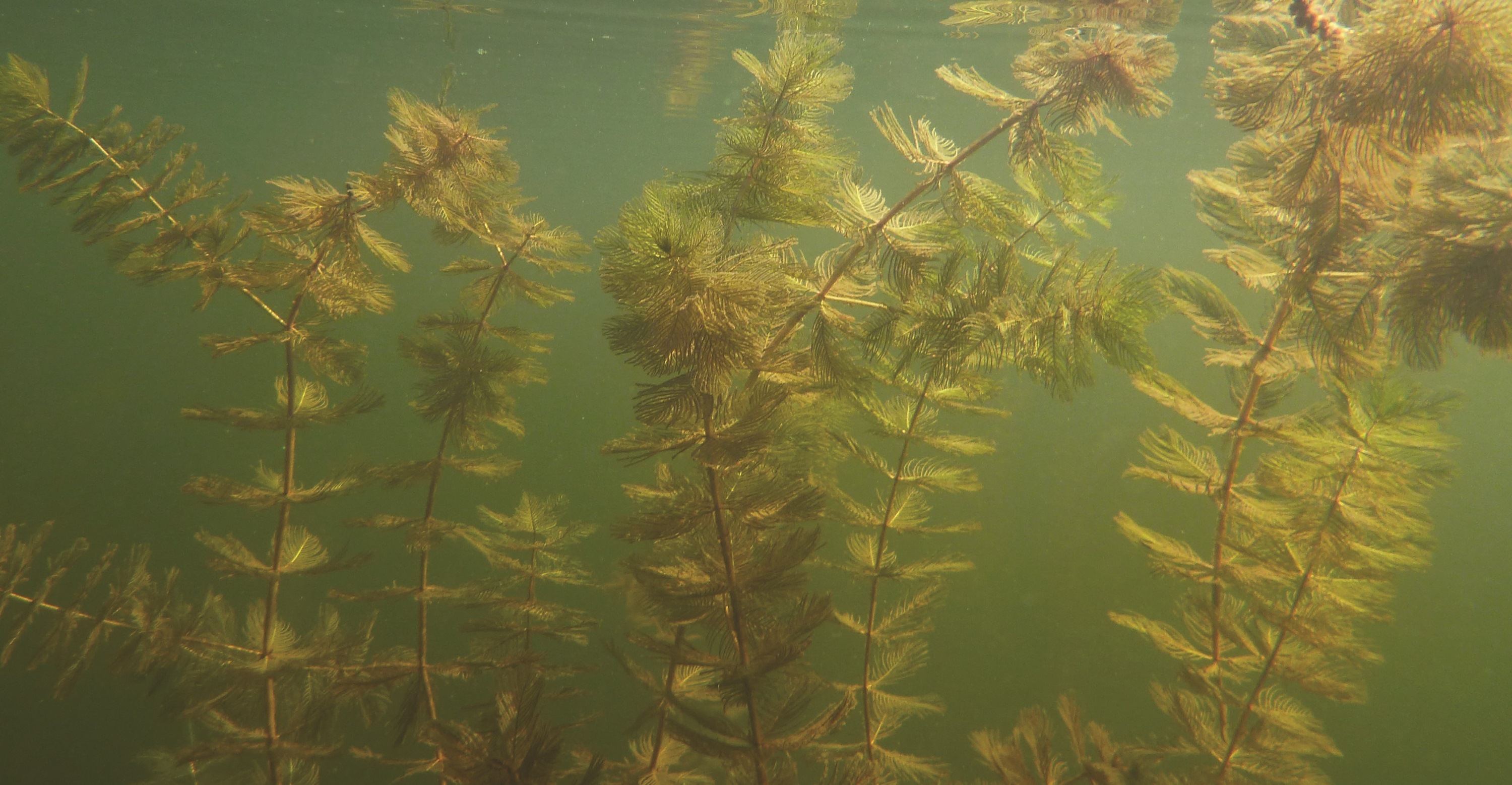
- submerged plant, rooted in water body sediments, that forms dense grass beds with spikes of small flowers (most likely observable in late July-early August)
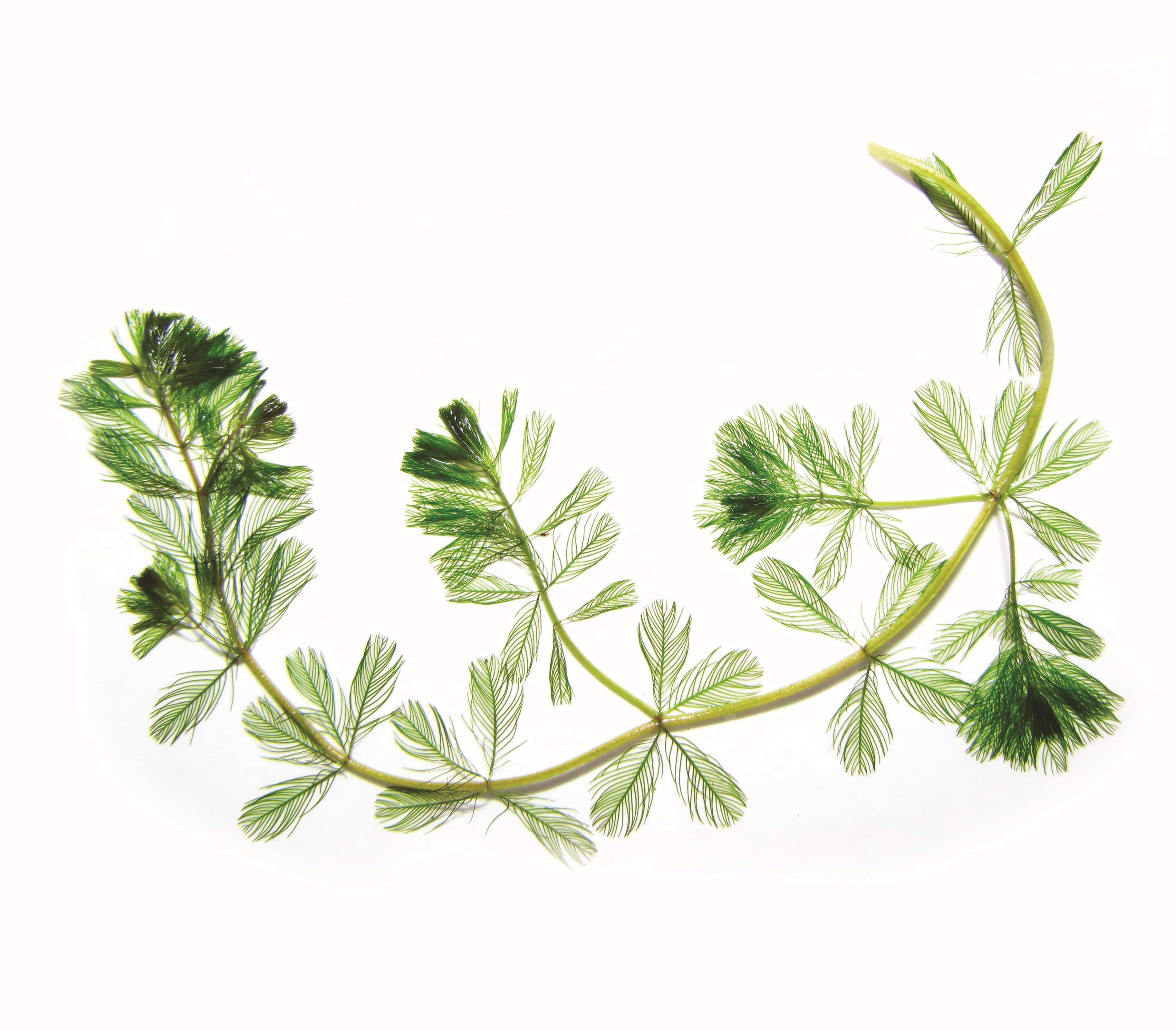
- three to six leaves per whorl (often 4), composed of 12 to 24 pairs of leaflets (small leaf segments that together form a compound leaf)
- often blunt leaf tips, forming a straight line
- leaves droop when the stems are out of the water
Similar species
Eurasian Water-Milfoil is a submerged plant with leaves made up of 12 to 24 pairs of leaflets (small leaf segments that together form a compound leaf). When there are more than 15 pairs of leaflets per leaf, it is most likely Eurasian Water-Milfoil. Identification of this species is difficult and is often reserved for experts.
Eurasian Water-Milfoil can be confused with 2 other invasive species, Carolina Fanwort and Parrot’s Feather.
In addition, Eurasian Water-Milfoil can resemble several native aquatic plants that are naturally present in our bodies of water, including:
- Common Bladderwort
- Hornwort
- Native Water-Milfoils
These species are naturally found in Quebec and Ontario, but they may also be found in other parts of Canada.
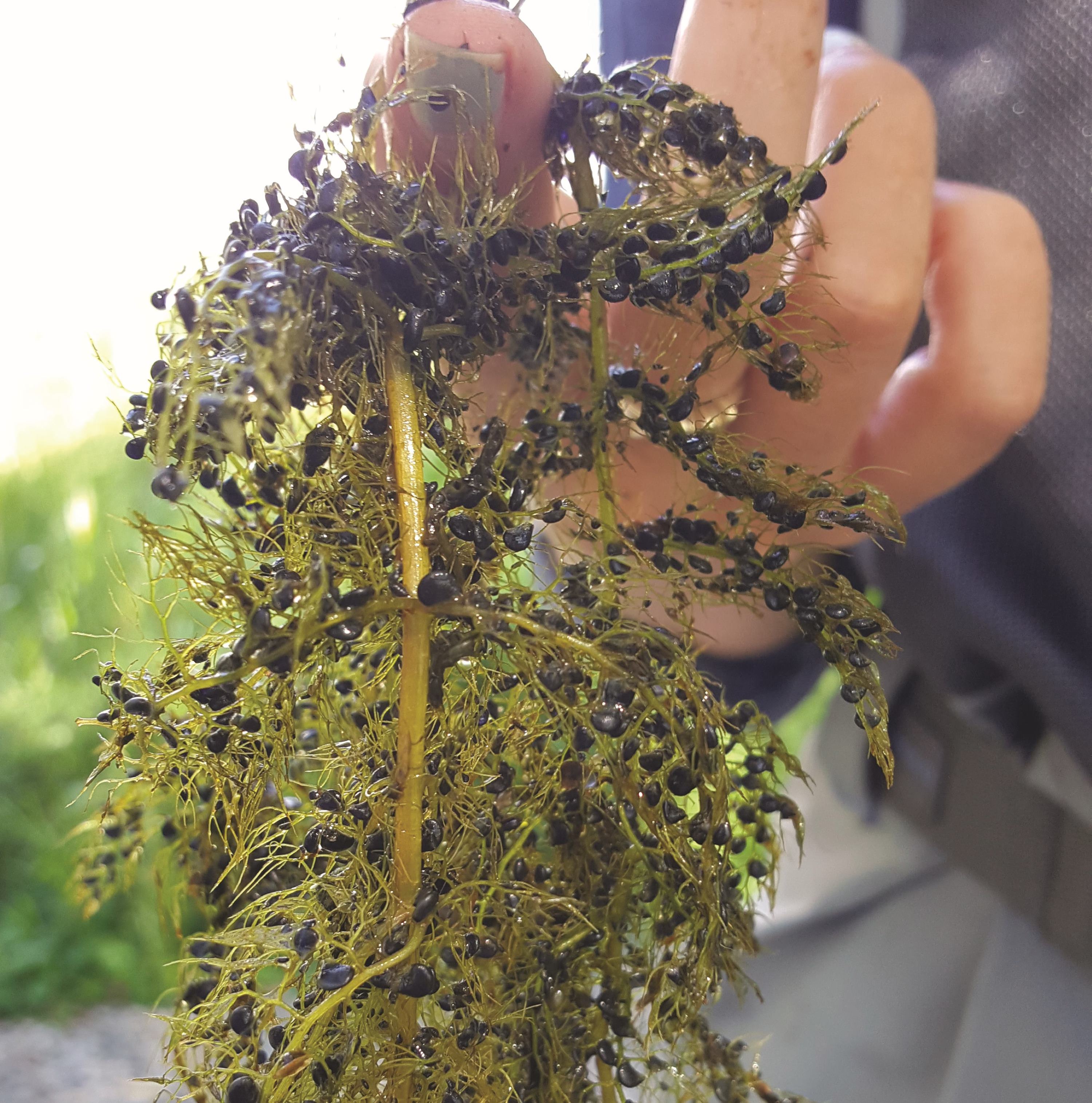
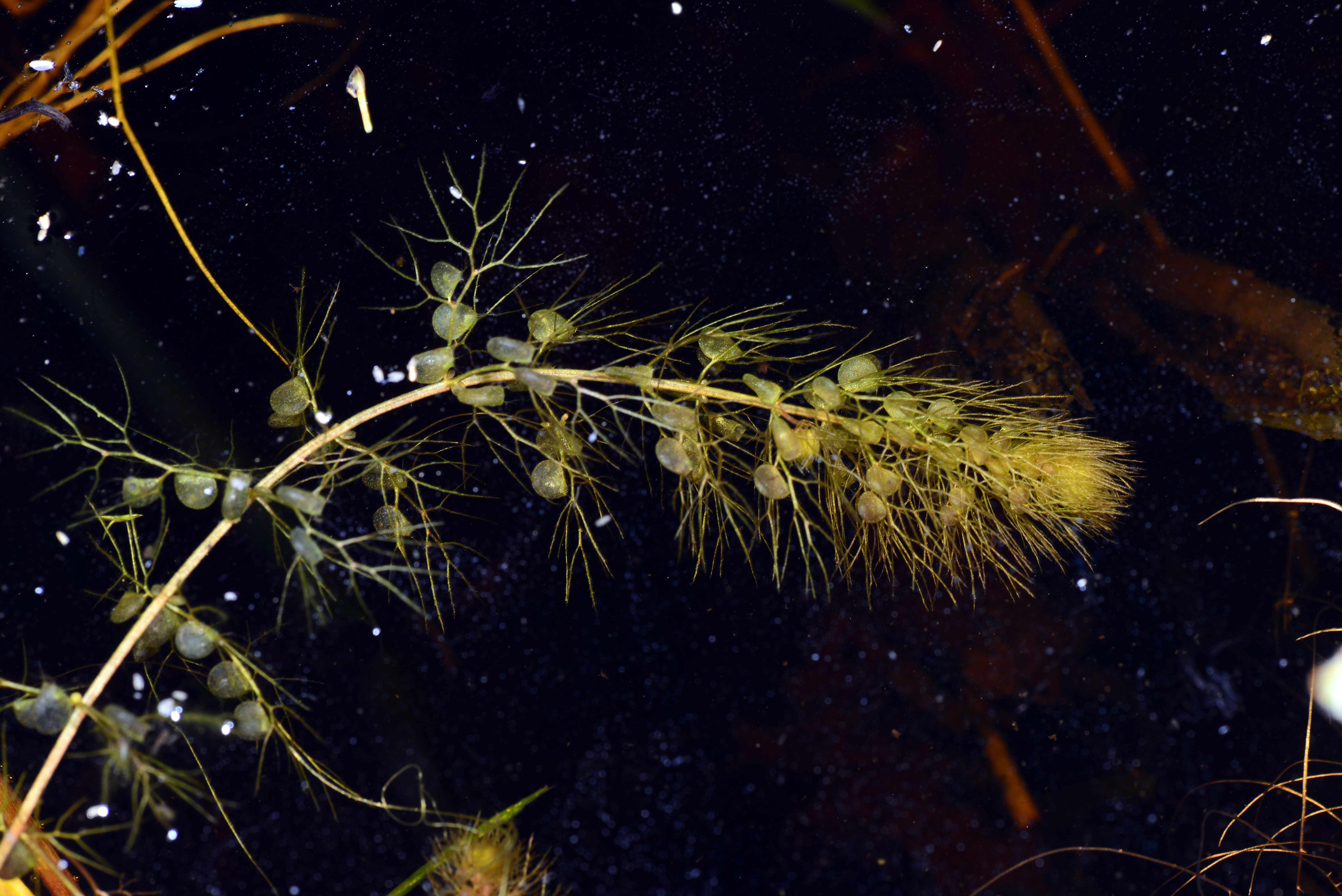
Common Bladderwort (Utricularia vulgaris)
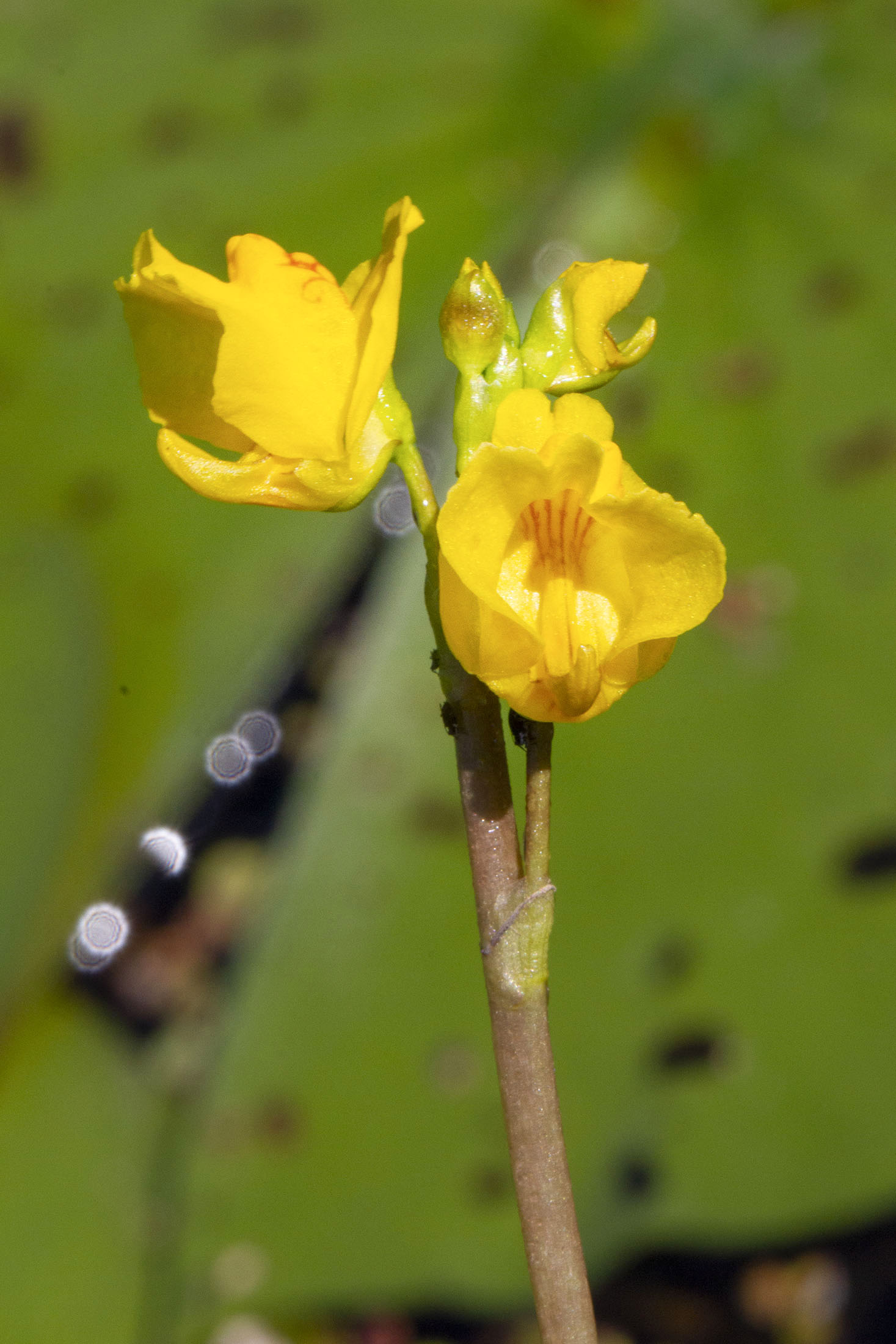
The Common Bladderwort can be distinguished from the European Water-Milfoil by its yellow flowers and emerging fruits, as well as the presence of modified leaves in the form of small sacs or beads (utricles) on the submerged parts of the plant, which allow it to float and catch insects, small crustaceans or aquatic larvae.
Hornwort (Ceratophyllum spp.)
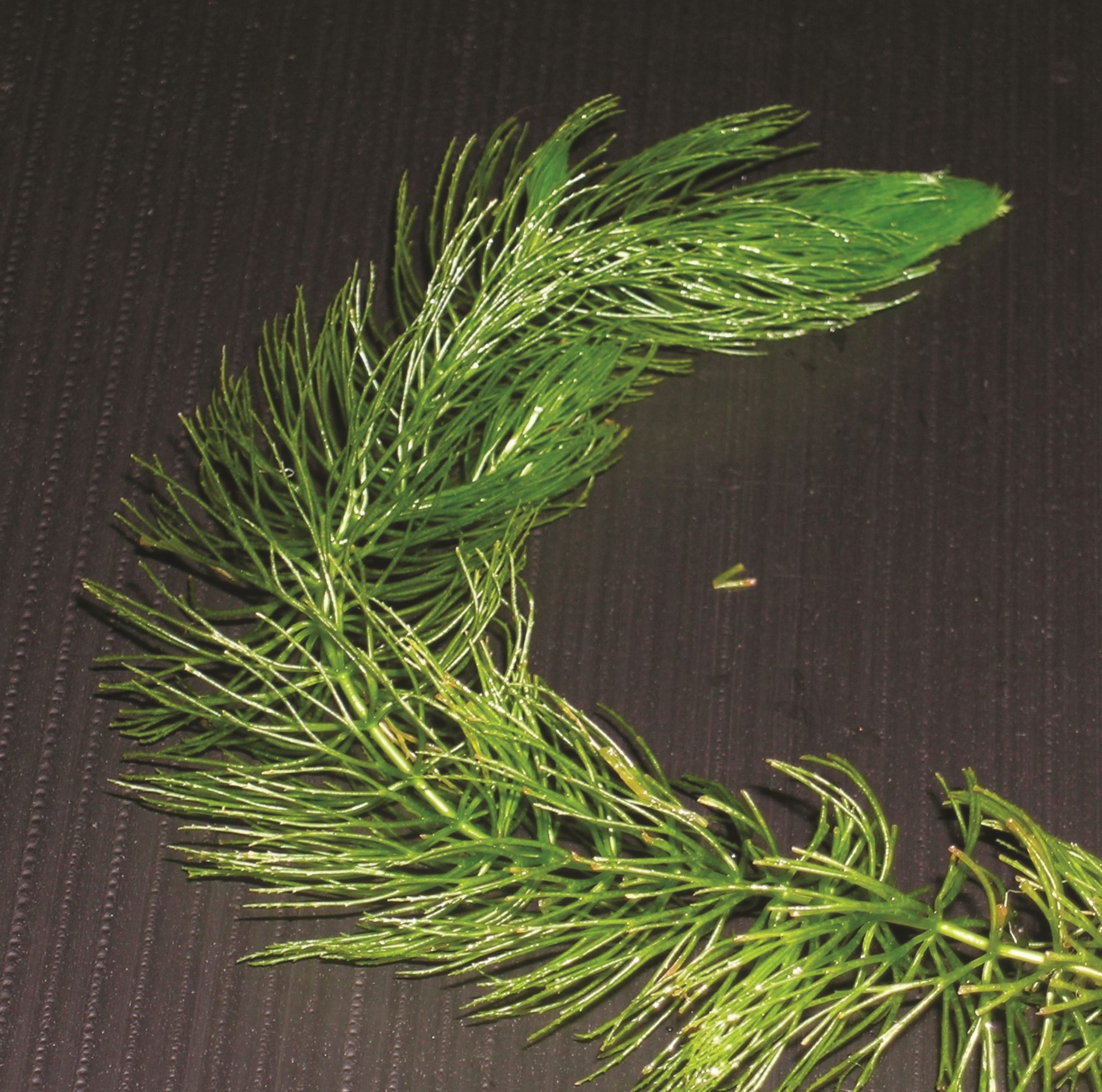
Hornworts can be distinguished from Eurasian Water-Milfoil by its whorled leaves, which are arranged around a point on the stem and subdivided with spines on the margin, as well as small fruits at the base. Their leaves are also rigid and retain their shape out of the water.

Native Water-Milfoils (Myriophyllum spp.)
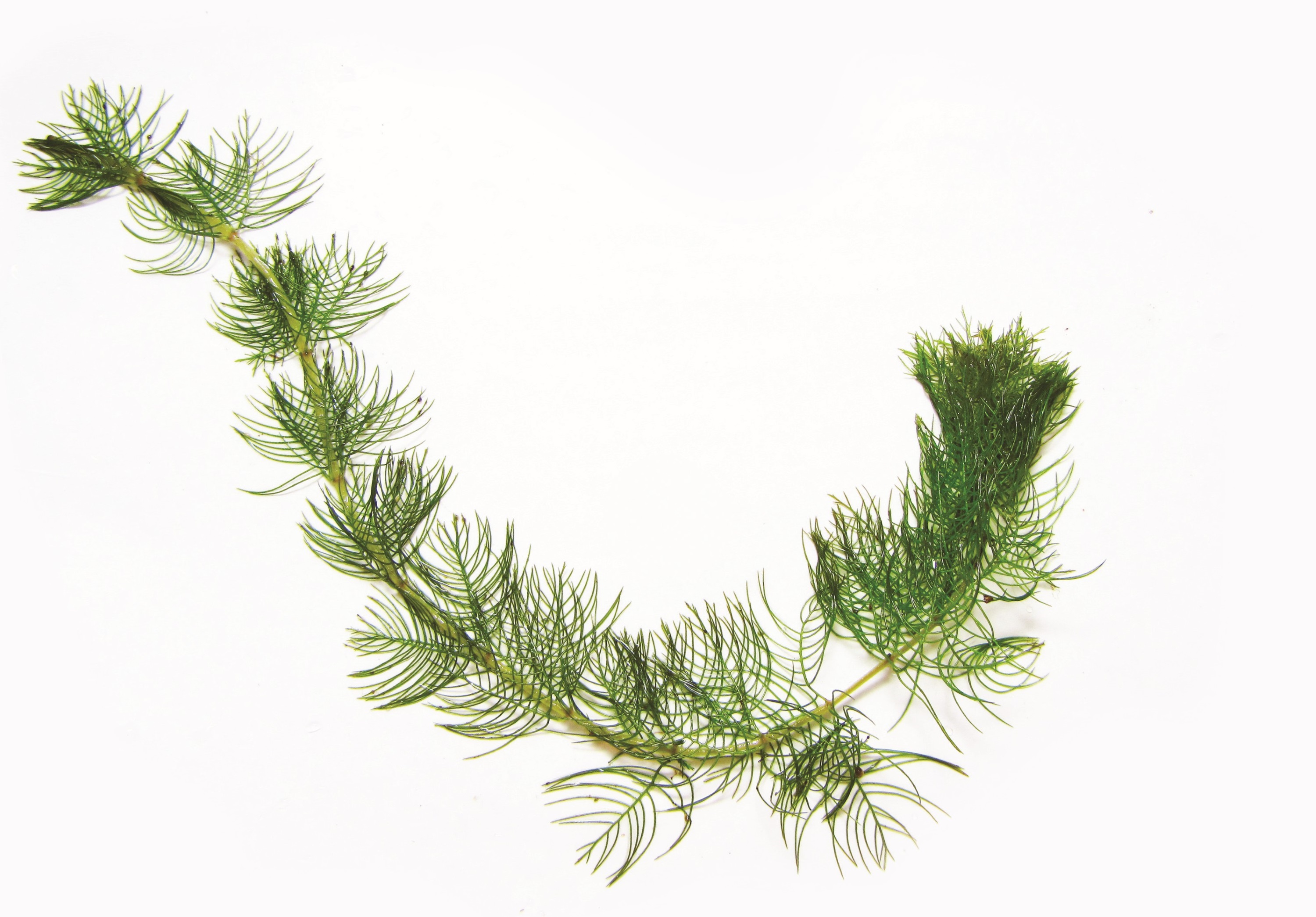
It is possible to distinguish Eurasian Water-Milfoil from the Water-Milfoils species that occur naturally in our bodies of water. However, this can generally only be done by experts. They will look to see whether:
- the type of flowers and their locations
- count the number of leaves in whorls (grouped around a point on the stem)
- the number of pairs of leaflets (small compound leaves) that look like feathers
If you think you have seen Eurasian Water-Milfoil or another AIS, contact us to report it.
Origin and current distribution
Eurasian Water-Milfoil is an aquatic plant native to Europe and Asia.
This aquatic plant was first reported in Canada in 1958, in Lake Saint-Pierre, Quebec. In 1961, Eurasian Water-Milfoil was observed in Lake Erie, Ontario. Since then, it has gradually spread to other provinces across the country.
Today, Eurasian Water-Milfoil is one of the most widespread aquatic invasive species in Canada, with its presence confirmed in several thousand bodies of water across the country.
Habitat
Eurasian Water-Milfoil is a perennial plant that thrives in the shallow waters of ponds, marshes, ditches, canals and lakes, as well as in the calm areas of rivers. It is mostly found at depths between 1 and 4 m, but can take root in sediments (gravel, sand, silt and plant debris) up to a depth of around 10 meters.
Pathways of introduction and spread
Probably introduced to the east coast of the United States in the 1860s via ballast water from transatlantic ships, Eurasian Water-Milfoil has also been deliberately imported for ornamental purposes, through purchases in shops or online. This plant, capable of multiplying by fragmentation (a form of asexual reproduction where broken pieces grow into new individuals), spreads rapidly through various human activities such as aquariums, recreational fishing, and water sports. Like many invasive aquatic plant species, it can establish itself and spread naturally by plant fragments moving downstream in connected water bodies.
Impacts
Ecological impacts
Eurasian Water-Milfoil is an invasive plant that grows and spreads rapidly. This plant forms large, dense colonies that modify phytoplankton communities (forming the base of aquatic food webs) and replace native aquatic plants, thereby reducing the biodiversity of the environment, making beaches less attractive, and adversely affecting swimming, fishing, and boating.
Socioeconomic impacts
By interfering with recreational activities such as boating, fishing, and swimming, the presence of large colonies of Eurasian Water-Milfoil in a body of water can adversely affect the value of riverside properties and harm tourism. The costs associated with controlling and eradicating the plant can also be high.
For more information on the impacts of invasive plants, consult the threats to the environment, the economy, and society.
Government action
Prevention and management
Preventing its introduction and spread is the best way to control this invasive plant.
There are various ways to control invasive aquatic plants:
- physical or mechanical removal (by hand, with tools or machinery)
- dewatering (lowering water level)
- tarping (covering with opaque material to limit growth)
- herbicide application
Control measures vary depending on the species, so you must take precautions before attempting to control an AIS to avoid it spreading further. If you wish to undertake a project to control aquatic invasive species, contact the department to ensure that you meet the requirements of the laws and regulations protecting aquatic environments in your region.
What can you do
Once an AIS has become established in a lake or watercourse, it is difficult and costly to control and almost impossible to eradicate. Preventing its introduction and spread is the best way to combat it. Simple but effective actions can make a difference to protecting water bodies:
- learn to recognize AIS and report their presence
- always clean, drain and dry your watercraft and gear after leaving a body of water. Follow the cleaning steps described on Clean, Drain, Dry and Decontaminate
- avoid boating through beds of invasive aquatic plants so as not to contribute to their spread. Buoys can be installed (PDF, 987 KB) to mark the main AIS beds and restrict traffic
- don’t let loose any plant remains, water, or organisms from your water garden or aquarium into the natural environment
Learn more about preventing aquatic invasive species.


Related links
- Identification booklet of freshwater invasive plant species in Quebec
- Fact sheets to identify invasive aquatic plants and distinguish them from similar species : Water Milfoil (PDF, 1.1 MB) (French only)
- Eurasian Watermilfoil – Profile and Resources | Invasive Species Centre
- Eurasian Water-Milfoil | Ontario's Invading Species Awareness Program
- Water Milfoil, Eurasian - Alberta Invasive Species Council
- Field Guide to Aquatic Invasive Species for British Columbia (PDF, 6 MB)
Page details
- Date modified: