
Canada’s Whalesafe Fishing Gear Strategy 2026-2030
Executive summary
Canada’s Whalesafe Fishing Gear Strategy (hereafter referred to as the strategy) provides a process to develop and support the implementation of fishing gear innovations designed to reduce the risk of harm to whales from entanglement in fishing gear. Fisheries and Oceans Canada (DFO) uses the term “whalesafe” to describe a range of fishing gear systems, devices, and modifications that are designed to reduce the likelihood that whales will encounter fishing gear, or to reduce the impact of an entanglement if it occurs.
The goal of the strategy is to support sustainable, modern and productive fisheries that coexist with whales by implementing whalesafe fishing gear in marine fisheries in Canada, in particular on the east and west coasts, to reduce whale entanglements in areas with the highest risk of whale interactions with fisheries.
That goal is supported by 5 objectives:
- Objective 1: DFO to develop the policies, processes and legal instruments needed to support the responsible use of whalesafe fishing gear in Canadian fisheries, in close collaboration with fish harvesters and experts
- Objective 2: Assess fisheries across Canada to identify those with a high risk of whale interaction and entanglement
- Objective 3: Continue to address knowledge gaps on the implementation of whalesafe gear in Canadian fisheries
- Objective 4: Identify management areas that present a high risk of entanglement to enable testing and support implementation of on-demand gear where appropriate
- Objective 5: Test and implement other gear modifications, devices or systems to prevent and alleviate whale entanglement harm
DFO is committed to developing and implementing whalesafe gear in close collaboration with Canadian harvesters, Indigenous partners, whale scientists, non-governmental organizations (NGOs), and other groups, to reduce whale entanglements. Progress on implementing this strategy will be shared periodically through fisheries advisory and engagement processes, and online.
About this document
This strategy was prepared with the input of Indigenous and non-Indigenous fish harvesters in Atlantic Canada, Quebec and in the Pacific region. DFO also engaged whale scientists and conservation groups directly affected by, and involved in, fishing gear innovation, in the preparation of this strategy. We acknowledge the many partners who have provided significant input into this process thus far, and welcome their continued collaboration through the implementation of this strategy.
On this page
- Executive summary
- About this document
- Purpose and scope of this strategy
- Canada’s progress to protect whales and support sustainable fisheries
- What is whalesafe gear
- Canada’s Whalesafe Fishing Gear Strategy
- Objectives supporting Canada’s whalesafe fishing gear goal
- Objective 1: DFO to develop the policies, processes and legal instruments needed to support the responsible use of whalesafe fishing gear in Canadian fisheries, in close collaboration with fish harvesters and experts
- Objective 2: Assess fisheries across Canada to identify those with a high risk of whale interaction and entanglement
- Objective 3: Continue to address knowledge gaps on the implementation of whalesafe gear in Canadian fisheries
- Objective 4: Identify management areas that present a high risk of entanglement to enable testing and support implementation of on-demand gear where appropriate
- Objective 5: Test and implement other gear modifications, devices or systems to prevent and alleviate whale entanglement harm
- Objectives supporting Canada’s whalesafe fishing gear goal
- Monitoring progress and reporting to Canadians
- Linkages to other departmental activities
Purpose and scope of this strategy
Canada is a country of oceans and coastlines. Indigenous and coastal communities on all 3 coasts rely on fisheries to support families and businesses, directly and indirectly. Many fisheries co-occur with whales that inhabit Canadian waters, including several species listed under the Species at Risk Act (SARA), while some fisheries have limited interaction with whale species. Although some whale species that were historically targeted by commercial whaling have increased their numbers, other species have yet to fully recover. Whale species in Canada face threats from modern human activities, some of which hamper their ability to reach and maintain healthy population levels.
The Canadian Whalesafe Fishing Gear Strategy (“the strategy”) addresses one of these ongoing threats: whale entanglement in fishing gear. Where whale species and fishing activities co-occur in Canadian waters, entanglement risk is created, especially on the east and west coasts. Co-occurrence of fishing activities with whale species may result in injury or death depending on factors including gear type and application, and whale behaviour. The purpose of this strategy is to describe processes, principles, and practices for Canadian fisheries to reduce the incidence and severity of whale entanglements, based on collaboration with fish harvesters, scientists and experts.
The strategy presents a high-level, comprehensive, and collaborative approach to reducing the impacts of entanglements in fishing gear on whales in Canadian waters, taking into consideration entanglement risk to whales and the unique dynamics of different fisheries in Canada. The strategy encompasses a range of whalesafe gear options, including various fishing gear modifications, configurations, and innovations designed to reduce whale injury and death from entanglement. The objectives and activities described in this strategy reflect known entanglement risk to whales in Canada and extensive feedback from harvesters, Indigenous groups, whale experts, and scientists.
Whalesafe gear solutions for Canadian fisheries are an important part of Canada’s sustainable seafood industry. Working in partnership with industry, whalesafe gear implementation supports market access, diversification and competitiveness by helping Canadian fisheries obtain eco-certifications and comply with import requirements of other nations. The strategy also support DFO’s obligations under the SARA, and the implementation of recovery documents published on the Species at Risk Public Registry for whale species for which entanglements in fishing gear have been identified as a threat, including the endangered North Atlantic right whale.
The initial approach of this 5-year strategy is to focus on fisheries in Eastern Canada, and on reducing harm to the endangered North Atlantic right whale. The initial priority is to address entanglement in rope associated with non-tended fixed fishing gear, including traps and pots. The strategy will outline processes and knowledge gaps to support expansion to fisheries across Canada and to reduce harm to other whale species where appropriate. This strategy complements the existing fisheries management measures in place to address entanglements of whales in Canadian fisheries, including North Atlantic right whales on Canada’s east coast.
Respecting Canada’s unique and diverse fisheries
Fisheries are an important part of Canada’s economy, culture, and food security. Fishing is a vital economic activity not only for the people directly involved in harvesting, but for entire coastal communities across Canada. Prosperous fisheries directly support Canadian businesses and industries, including processing plants, gear and marine equipment manufacturers and suppliers, and indirectly support businesses such as restaurants, grocery stores and retail. Fishing is also an important cultural activity First Nations, Indigenous and other communities. Harvesters have deep knowledge and experience on their fishery’s operations, and are experts at identifying safe and efficient ways to fish. Canadian seafood is subject to some of the highest sustainability standards in the world, with stock management based on the best available scientific advice, precautionary and ecosystem-based fishery management practices and habitat and species protection measures. For example, Canada is a global leader in developing and testing whalesafe gear, and addressing abandoned, lost and discarded fishing gear, also known as ghost gear.
Did you know: In 2020, Canada implemented lost gear reporting requirements in all commercial fisheries to address the serious impacts of ghost gear. The following year, Canada became the first country in the world to publicly share data on the prevalence of lost fishing gear reported in commercial fisheries. Maps and statistics are shared online to promote transparency, educate, and encourage collaboration on solutions. This reporting has provided valuable data, enabled more effective gear recovery and reduced risks to marine ecosystems and fisheries.
Over the past several years, market pressures on commercial fisheries have arisen, driven by increasing public interest in protecting the marine environment and supporting animal welfare. Consumer expectations around the world for eco-certified seafood, such as products bearing the Marine Stewardship Council (MSC) certification, is increasing. Retail outlets such as restaurants and grocery chains are increasingly interested in selling seafood that is sustainable and eco-certified, with clear and transparent rules and practices that ensure product is caught without harming marine mammals. Certified products may command higher prices in the marketplace.
In addition to market-driven eco-certification requirements, countries around the world have established requirements for evidence-based sustainable seafood and catch certification. For example, under the United States Marine Mammal Protection Act, exporting countries must demonstrate that marine mammal protection requirements and practices in their fisheries are comparable to those applied to fisheries in the United States. This includes measures to prevent and alleviate entanglement of endangered whale species.
Seafood products originating from fisheries around the world that have inadequate measures in place to prevent whale entanglements may be less competitive or face difficulty in accessing critical markets. Whale entanglements in commercial fisheries have negative direct impacts on fish harvesters as well, such as damage to or the loss of gear and the associated replacement costs. Some non-commercial fisheries, such as recreational are also known to entangle whales in Canada. No one involved in fishing activities wants to entangle whales, and harvesters across Canada are demonstrating their leadership in developing and sharing solutions for reducing this risk.
Canadian harvesters and processors have risen to the challenge, with interest and investment in sustainable and innovative fishing practices that reflect their deep understanding of how fisheries and whales can coexist. Whalesafe fishing gear trials and pilots are underway in select fisheries across Canada, led by harvesters who know their fishery’s operations best. Given the diversity of Canadian fisheries, the strategy will provide an adaptive approach to guide testing, development and adoption of innovative fishing gear and practices to further reduce whale entanglement harm in all implicated fisheries. This approach, using a feedback cycle informed by harvesters and reflecting new information and changing conditions, will help avoid unintended consequences, such as increased gear loss that can contribute to ghost fishing and ocean pollution.
Where data indicates that some fisheries present a significant threat to endangered whale species, solutions are required, and some of these solutions may be challenging. With a great diversity of fishery conditions in Canada, including different gear types and configurations, vessel sizes, water depth, current strength, and other elements, DFO recognizes that a “one size fits all” approach to whalesafe gear will not meet the needs of industry, nor provide the best way to reduce entanglement harm to whales. The safety of harvesters, fishing operations and others will always be a top priority for DFO.
The successful implementation of the strategy will support continued growth and prosperity in the fishing sector, and build upon Canadian harvesters’ leadership in finding effective ways to fish that avoid negative impacts to the environment. DFO is committed to working with fish harvesters to find a balance that supports the coexistence of economically viable fisheries and their communities with healthy whale populations, including endangered species like the North Atlantic right whale.
Protecting whales in Canada
Every year in Canada, DFO receives reports of whale entanglements on both the Atlantic and Pacific coasts; few such reports occur in the Arctic. DFO’s national Marine Mammal Response Program and its partners do vital work to report, track, and respond to these events. Annual reports on Marine Mammal Response Program activities are available online. Understanding where, when, and how whales become entangled provides information that is critical to the development and implementation of effective and appropriate solutions for different areas and different fisheries. Research on whales, on innovative fishing gear and fishing practices, and assessment of entanglement risk, together form an important backbone of the strategy.
Entanglements can result in injury or death to whales, and for some species, including the North Atlantic right whale, entanglement is known to contribute to reduced reproduction and population decline. Entanglement in fishing gear has been identified as a threat to multiple whale species in Canada, including whale species that are listed under SARA. Studies monitoring changes in the scarring rates on whales helps increase our understanding of the rate and extent of entanglements, as well as trends in their occurrence.
Canada’s progress to protect whales and support sustainable fisheries
In 2020, the Government of Canada committed to requiring low breaking-strength (LBS) fishing gear in non-tended, fixed-gear, trap and pot fisheries, including crab and lobster pots, in Atlantic Canada and Quebec. This commitment was in response to a high number of deaths and entanglements of North Atlantic right whales in the Gulf of St. Lawrence in 2017 and 2019. In the following years, this commitment evolved to reflect feedback DFO has heard directly from harvesters, the fishing industry, conservation groups, First Nations, researchers, and others. This strategy reflects those discussions as well as the extensive work undertaken to understand the potential role of whalesafe gear in diverse Atlantic Canadian and Quebec fisheries.
In 2021, Canada launched the $20 million Whalesafe Gear Adoption Fund (WSGF) to support fishery groups, Indigenous organizations, researchers, and gear manufacturers to advance our understanding of how whalesafe fishing gear can work in Atlantic Canadian and Quebec fisheries. The WSGF supported 34 projects in 2021-2023, testing and refining various types of whalesafe gear. Gear trials and discussions with fishing industry and other experts clarified the importance of a measured, adaptive, and evidence-based approach to the implementation of whalesafe gear. The Atlantic Fisheries Fund, the Quebec Fisheries Fund, the Canada Nature Fund for Aquatic Species at Risk, and the Habitat Stewardship Fund for Aquatic Species at Risk have also supported whalesafe gear trials in eastern Canada. Results generated from many of these projects were shared and discussed at the Whalesafe Gear Trial Results Symposium in September 2023. The Canadian fishing industry and non-government research organizations have also invested in whalesafe gear trials. Limited trials of on-demand fishing gear have been undertaken in some Pacific fisheries as well.
In 2023, amendments to the Fishery (General) Regulations of the Fisheries Act provided new authority to adjust endline marking requirements in fisheries in order to mitigate marine mammal entanglements. This change addressed regulatory barriers to integrating more innovative fishing gear configurations and technologies into fisheries operations.
Although advances have been made in technology and fishing practices to reduce harm to whales from fishing activities, entanglements in fishing gear continue to occur for multiple species of whales in Canada and elsewhere. The degree of entanglement risk varies based on factors such as when and where fishing activity happens in relation to whale presence, and the types of fishing gear in use. Because risk is not the same across all fisheries, the methods to reduce the risk must be tailored to the specific context.
DFO recognizes the importance of an adaptive approach to reflect the diversity of fisheries across the country. The priorities, opportunities and constraints identified on Canada’s 3 coasts are likely to be different. The intent of this strategy is to support approaches that identify the relative risk of whale entanglement, and account for the operational realities of different fisheries, so that the most appropriate solutions to whale entanglement are identified and implemented in partnership with harvesters. This variation, and the need to customize risk reduction strategies to address the known entanglement risks, form a fundamental principle underlying this strategy.
Hearing from Canadians
In late 2024 and early 2025, DFO held in-person and virtual discussions with Canadians who are knowledgeable about fisheries and about whales, and who are affected by the issue of whale entanglements. DFO heard from fish harvesters, fishery association representatives, provincial government representatives, researchers, First Nations, Indigenous fishery management groups, conservation groups, and others. These discussions were concentrated in communities in eastern Canada, with some discussions on the Pacific coast as well. DFO will continue its engagement with these groups over the duration of the strategy. To date, several common themes, concerns, and priorities emerged from those discussions, as listed below. This strategy strives to reflect these views, balancing the needs of fishing communities with the protection of whales:
- Harvesters need flexible options for whalesafe gear, and must play a central role in developing measures for their fisheries
- Timelines for implementing new gear requirements need to be realistic
- Cost and availability of new gear technology is a barrier to equitable access
- Technical and operational issues can present barriers to adoption, including interoperability of on-demand fishing gear systems
- Clear standards and/or criteria for authorization of gear devices or systems should be developed
- DFO must clearly communicate expectations and processes to relevant parties. More gear trials are needed to ensure safe operation of gear innovations and to prevent increased lost fishing gear (also known as “ghost gear”)
- More funding is needed to support gear trials and acquisition of innovative gear
- Reducing entanglement risk for North Atlantic right whales is urgent
- Whalesafe gear requirements must reflect the needs and asserted and established rights of Indigenous harvesters
- DFO must ensure adequate capacity and resources to support the development of management and regulatory processes and tools
- A measured, adaptive and evidence-based approach to the implementation of whalesafe gear is important
In addition to its engagement with Canadians, DFO hosted 2 International Gear Innovation Summits , in 2020 and 2025. These events brought together harvesters, scientists, conservation groups, gear manufacturers, and regulators from multiple countries, to explore concrete issues and solutions for moving whalesafe gear into the future. The sessions took a real-world look at low breaking-strength gear in commercial fisheries, and focused extensively on technical and data solutions needed to advance interoperability of on-demand gear. The positive response to the 2025 Summit reflected the importance of transboundary collaboration in the achievement of some of the objectives of this strategy.
Did you know: The whale species most often reported to DFO as entangled in fishing gear are humpback whales on both east and west coasts, fin whales on the east coast, and grey whales on the west coast. For more information, see the Marine Mammal Response Program and the SARA Public Registry websites.
Preventing entanglements
Where there are significant threats to endangered whale species, the priority is to prevent entanglements from occurring by preventing interactions between whales and fishing gear. After a high number of North Atlantic right whale deaths and entanglements occurred in 2017, DFO implemented a suite of adaptive tools to address the entanglement threat in eastern Canadian waters in coordination with harvesters, Indigenous organizations, whale scientists, and environmental organizations. DFO has prioritized entanglement prevention to protect North Atlantic right whales, notably through fishery prohibition protocols that have been in place in eastern Canada since 2018. The protocols are supported by augmented surveillance for North Atlantic right whales and other measures including gear colour marking requirements and lost gear reporting requirements.
Some types of whalesafe gear are designed to prevent or reduce the risk of whale entanglements. Since 2018, on-demand or ‘ropeless’ fishing gear technology designed to prevent whale entanglements by reducing rope in the water column has been tested and piloted successfully in the Gulf of St. Lawrence to protect North Atlantic right whales, and continues to be tested in fisheries in other areas.
Related DFO initiatives
Responding to whales in distress
- DFO leads and supports coordinated disentanglement response with expert marine mammal response partners from coast to coast, through the Marine Mammal Response Program.
North Atlantic right whale management measures
- DFO implements annual fishery management measures to prevent entanglement of North Atlantic right whales; these include dynamic and seasonal fishing prohibition protocols that prohibit non-tended fixed gear, trap and pot fisheries in areas where North Atlantic right whales are detected. These measures are reviewed each year in collaboration with the North Atlantic Right Whale Advisory Committee and the North Atlantic Right Whale Technical Working group, consisting of harvesters, fishery associations, whale experts, and others.
Monitoring and understanding entanglements
- Gear marking requirements support identification of the origin of gear or ropes involved in whale entanglements, and to rule out fisheries as the source of an entanglement. Depending on location, these requirements may include gear colour marking requirements (PDF, 860 KB) that identify rope by fishery, region, and fishing area, or gear tags such as radio frequency identification (RFID) tags that that provide the department with the Vessel Registration Number (VRN), and the location, date and time the gear was last hauled.
- DFO undertakes a technical analysis of fishing gear retrieved from North Atlantic right whale entanglements to confirm the origin of the gear. DFO publishes results of these analyses, when found to be linked to Canadian fisheries. DFO also monitors the gear types associated with entanglements of other whale species.
- The Marine Mammal Regulations of the Fisheries Act require that accidental contact between vessels or fishing gear, and marine mammals, be reported to the Department; this reporting requirement is included in commercial fishing licences.
Requiring reporting of lost commercial fishing gear
- Since 2020, DFO has required commercial harvesters to report the loss of their fishing gear during operations. Information on lost gear supports the retrieval of such gear and can contribute to the identification of gear involved in a whale entanglement.
Reducing pollution and bycatch in ghost gear
- DFO’s Ghost Gear Program works with many partners in Canada to identify and reduce sources of abandoned, lost or discarded fishing gear, otherwise known as ghost gear, that could lead to whale entanglements.
What is whalesafe gear
Most whalesafe fishing gear falls into 2 main categories: gear systems designed toprevent whale entanglements in fishing lines, and gear configured with components designed to alleviate harm from entanglements, if they happen. Additional gear innovations, configurations, and fishing practices also may contribute to entanglement risk reduction, and will be explored in this strategy (Figure 1).
On-demand fishing gear
On-demand gear systems operate without traditional buoy lines in the water, and are intended to prevent whale entanglements by removing the possibility of a whale encountering that vertical line. Some systems stow buoy lines in a container on the ocean floor. Other systems have no buoy line, instead using inflatable bags to return gear to the surface. In both types of system, the fishing gear returns to the surface when it is released by an acoustic signal sent from the fishing vessel.
On-demand gear systems continue to be refined, including through at-sea gear trials in Canadian fisheries. While this type of innovation is promising for many fisheries, it is not expected to be suitable in all fisheries. Currently, these systems can function in lower-density fisheries where gear overlay or gear conflict is not a significant issue.
In higher-density fisheries and areas where multiple ocean users are active, including multiple fixed fisheries, mobile gear fisheries, aquaculture, and others, data on the locations of submerged gear will need to be available to relevant ocean users. This may require data to be visible on chart plotters. ‘Interoperability’ across gear systems and for multiple ocean users is in development, with significant focus on the importance of secure, private transmission and storage of gear location data. Ongoing management of the data, including allowing appropriate access to it by harvesters, other ocean users, and enforcement agencies, remains an important challenge that DFO is addressing in partnership with fishing industry groups, gear manufacturers, technical experts, and other government agencies. The safe and effective monitoring of the fishery for enforcement and operational purposes remains a priority.
Low breaking-strength fishing gear
Fishing gear can be configured with components or devices designed to alleviate entanglements that do occur, by reducing the severity and duration of the entanglement. These include low breaking-strength rope or links, sometimes referred to as weak links. Low breaking-strength (LBS) gear devices are designed to operate effectively under normal fishing conditions, and to part when a whale entanglement exerts additional force and breaks the line or special link helping the whale to self-release. A breaking strength of 1,700 pounds-force (lbf) (0.77 ton-force) has been identifiedFootnote 1 as a threshold that supports self-release by North Atlantic right whales, fin whales, and humpback whales, and has been adopted in Canada and the U.S.
Other devices, called time tension line cutters, cut the buoy line to release gear if a time-tension profile indicates that a large whale is entangled. These are considered to fit into the ‘alleviation’ category, as they are designed to sever the rope in the event of an entanglement.
DFO’s approach to implementing low breaking-strength gear is informed by at-sea gear trials designed to identify gear configurations that are safe for harvesters, and that function as effectively as traditional gear. This means these innovations present no more safety risk or gear loss than traditional gear, and comparable catch rates of target species. The effectiveness of low breaking-strength devices at reducing entanglement harm is challenging to measure, though research continues. Low breaking-strength gear is required in many US fisheries, and has been incorporated into some models of entanglement risk reduction. This strategy remains adaptive to new information about the effectiveness of LBS gear at reducing entanglement harm to large whales.
In some fisheries whose traditional gear is relatively small and light, operating in relatively shallow water, vertical buoy lines may have a breaking strength of 1,700 lbf or lower. If this can be measured and documented, such gear may be considered to meet the low breaking-strength threshold.

Figure 1. Descriptions of whalesafe fishing gear.
Description: What is Whalesafe Gear?
Traditional trap and pot fishing gear includes a surface buoy with a vertical line connected to fishing gear that sits on the seafloor. The line may connect to a single trap or a string of traps. Whales can get entangled in this gear when fishing occurs in their habitat.
Whalesafe fishing gear is designed to prevent whale entanglements or to reduce their severity. There are three main types:
On-demand gear
On-demand gear is deployed without vertical lines. When the harvester is ready to retrieve their gear, they send a signal from a device on their fishing vessel to a receiver attached to the gear on the seafloor. This triggers the gear to rise to the surface so the catch can be hauled aboard.
Lower breaking-strength gear
Lower breaking-strength gear includes a vertical line with a surface buoy. It is designed to operate under normal fishing conditions, but breaks apart when a certain amount of force (usually 1,700 pound-force) is exerted on it. If a whale becomes entangled in lower breaking-strength gear, it should be able to free itself more easily. This gear is intended to decrease the duration and severity of the entanglement, thereby reducing harm.
Sinking groundlines
Groundlines are ropes connecting a string of pots or traps together. Traditional groundlines can float upwards, increasing the chances of a whale becoming entangled. Sinking groundlines sit on or closer to the seafloor, which can reduce the risk of an entanglement occurring.
Configuring gear to reduce entanglement risk
In addition to specialized whalesafe gear devices and systems, configuring traditional fishing equipment in ways that reduce the likelihood of whales encountering the gear, or that increase the whale’s chances of breaking free, may reduce harm to whales (Figure 2).
For example, shifting from the use of single traps to multiple traps connected in sequence along the seafloor (referred to as ‘trawls,’ ‘strings,’ or ‘fleets’, depending on the region) reduces the amount of vertical buoy lines in the water, thus reducing that source of entanglement risk. However, this configuration increases groundline between traps, which may present a risk of entanglement, depending on the height profile of the groundlines and on whale behaviour. The increased weight of this gear also may increase the severity of injury to an entangled whale, or the risk of drowning, if an entanglement does occur. The use of sinking or neutrally buoyant groundlines may reduce overall entanglement risk when compared to vertical lines, however some whales, including North Atlantic right whales, are known to forage at or near the ocean floor. This behaviour needs to be considered if implementation of whalesafe gear results in increased groundlines in their feeding habitat. Sinking or neutrally buoyant rope is generally preferred for reducing the height of groundlines, yet in areas with a rough, rocky sea floor, the rope may wear and break more quickly, contributing to gear loss and ghost gear.
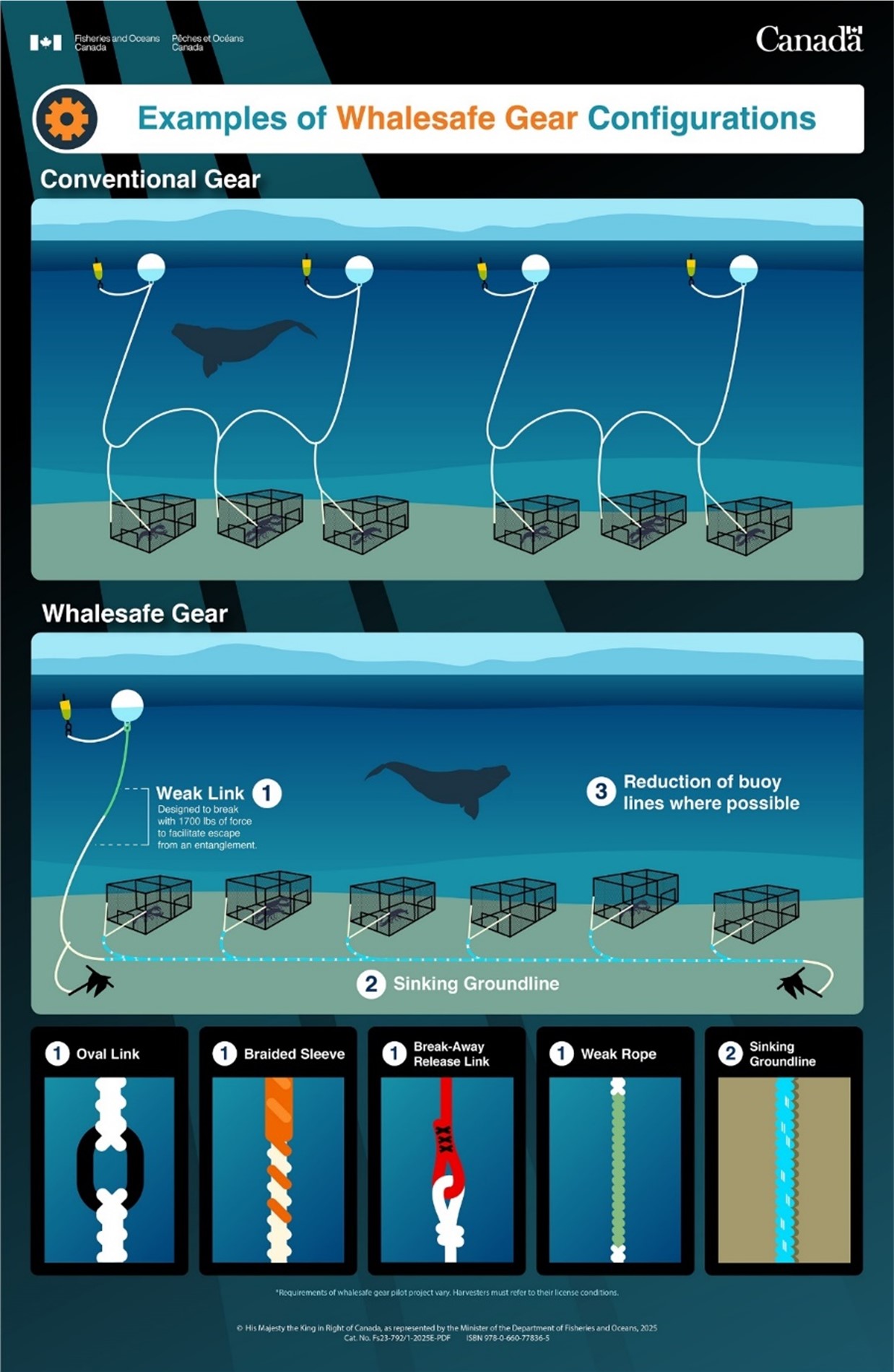
Figure 2. Examples of whalesafe fishing gear configurations.
Long description
Conventional Gear
Traditional trap and pot fishing gear includes a surface buoy with a vertical line connected to fishing gear that sits on the seafloor. The line may connect to a single trap or a string of traps. Whales can get entangled in this gear when fishing occurs in their habitat.
In addition to specialized whalesafe gear devices and systems, configuring traditional fishing equipment in ways that reduce the likelihood of whales encountering the gear, or that increase the whale’s chances of breaking free, may reduce harm to whales.
Whalesafe Gear
Gear configured to be whalesafe includes a weak link integrated into the vertical buoy line, a string of traps on the sea floor connected with a sinking groundline, and a reduction in vertical buoy lines where possible.
- Weak link
A weak link, or low breaking-strength gear, is integrated into a vertical line with a surface buoy. It is designed to operate under normal fishing conditions, but breaks apart when a certain amount of force (usually 1,700 pound-force) is exerted on it. If a whale becomes entangled in lower breaking-strength gear, it should be able to free itself more easily. This gear is intended to decrease the duration and severity of the entanglement, thereby reducing harm.
There are several types of whalesafe fishing gear configurations used with lower breaking-strength gear, including oval link, braided sleeve, break-away release link and weak rope.
- Sinking groundlines
Groundlines are ropes connecting a string of pots or traps together. Traditional groundlines can float upwards, increasing the chances of a whale becoming entangled. Sinking groundlines sit on or closer to the seafloor, which can reduce the risk of an entanglement occurring.
- Reduction of buoy lines where possible
Reducing the amount of vertical buoy lines in the water, by shifting from the use of single traps to multiple traps connected in sequence along the seafloor (referred to as ‘trawls,’ ‘strings,’ or ‘fleets’, depending on the region) reduces the source of entanglement risk and can reduce the risk of an entanglement occurring as well.
*Requirements of whalesafe gear pilot projects vary. Harvesters must refer to their license conditions.
Canada’s Whalesafe Fishing Gear Strategy
DFO is committed to protecting whale species in Canada. With the guidance of this 5-year strategy, DFO will support the safe and responsible implementation of whalesafe gear across a diverse range of Canadian fishery conditions in Atlantic Canada, Quebec and on the west coast.
A key part of this work is properly understanding and documenting the characteristics and needs of different fisheries, while addressing important challenges such as, safety and operational effectiveness of whalesafe gear, cost and availability, and technical, logistical, and enforcement considerations. This strategy emphasizes the importance of being adaptable and precautionary by responding to new information, opportunities and challenges.
The Government of Canada recognizes the unique needs of Indigenous peoples conducting or participating in rights-based fishing activity, including for subsistence and commercial purposes. DFO will consult all Indigenous rights-based fishery participants regarding the identification and incorporation of whalesafe gear approaches in their fisheries, prior to the implementation of any requirements.
Canada’s whalesafe fishing gear goal: Implement whalesafe gear in fisheries across Canada to reduce whale entanglements while supporting sustainable modern fisheries that coexist with healthy whale species and populations.
Objectives supporting Canada’s whalesafe fishing gear goal
Over the next 5 years, DFO will work with partners and stakeholders on the following five objectives to develop and support a transition to whalesafe fishing gear use in Canada’s fisheries. These objectives will contribute to better understanding the risk of whale entanglement on a fishery-by-fishery basis, as well as appropriate solutions tailored to the needs of the fishery through an adaptive approach. Although each objective is distinct, the activities under them are connected and will move forward concurrently.
Successful implementation of the strategy and its objectives can only be achieved by working in partnership with fish harvesters, First Nations and Indigenous organizations, industry, whale and gear experts, and provincial and territorial governments.
Objective 1: DFO to develop the policies, processes and legal instruments needed to support the responsible use of whalesafe fishing gear in Canadian fisheries, in close collaboration with fish harvesters and experts
As the regulatory agency for Canadian fisheries, DFO will continue its work to develop internal processes, policies, procedures, and information to support the integration of whalesafe gear into existing departmental activities and procedures related to the management of fisheries. To do this, DFO will continue to engage the fishing industry, First Nations, Indigenous organizations, other partners, and knowledge holders through targeted discussions and through existing fishery advisory processes.
By 2030, the identification, implementation and monitoring of fishing gear innovations or configurations to reduce or alleviate entanglement risk to large whales will be integrated into regular fisheries management tools and processes, in alignment with the strategy.
Elements of objective 1 include, and are not limited to:
- In 2026, DFO will continue development of its internal implementation planning framework, reflecting the full scope of work needed to guide the appropriate implementation of whalesafe fishing gear in specific fisheries and informed by input from harvesters, Indigenous partners, and stakeholders
- DFO will establish milestones and targets by 2027 to support implementation of gear innovations for entanglement risk reduction in fisheries with high entanglement risk
- DFO will develop policies, procedures, and tools to support the integration of whalesafe gear into fisheries management and enforcement processes that support compliance monitoring and reporting within Canadian fisheries
- DFO will develop a process to authorize on-demand gear systems for use in relevant Canadian commercial fisheries, providing clarity for Canadian gear manufacturers
- DFO will develop and communicate standards for manufacturers and harvesters, along with procedures and platforms, to support the use and interoperability of on-demand gear in Canadian commercial fisheries, ensuring harvester data security and privacy, while supporting DFO operational and enforcement needs
Objective 2: Assess fisheries across Canada to identify those with a high risk of whale interaction and entanglement
DFO will assess factors such as the overlap of fisheries with whale distribution, and the type, density, and configurations of fishing gear. DFO acknowledges that the ability to complete these risk assessments will vary among fisheries, depending on their complexity and data availability. DFO will prioritize assessing entanglement risk to North Atlantic right whales in Eastern Canada. Future efforts will expand to include other whale species and fisheries. Throughout this process, DFO will seek knowledge and input from harvesters, Indigenous partners, and stakeholders.
Elements of objective 2 include, and are not limited to:
- DFO will publish a Threat Assessment for the endangered North Atlantic right whale as part of the Recovery Potential Assessment for the North Atlantic Right Whale (an internal process needed to support the implementation of SARA)
- DFO will undertake an entanglement risk assessment for North Atlantic right whales, reflecting fixed gear fisheries in the Gulf of St. Lawrence by 2027
- DFO will identify the expertise required and a process to undertake fishery entanglement risk assessments, in other areas and for other whale species, by 2028
- By 2030, all fisheries will be reviewed for whale entanglement risk. Fisheries’ relative entanglement risk will inform the development of appropriate whalesafe gear requirements, in collaboration with fish harvesters and other stakeholders
Objective 3: Continue to address knowledge gaps on the implementation of whalesafe gear in Canadian fisheries
New products, alternative gear configurations, and emerging technologies continue to be developed and refined. Continuing research on whalesafe fishing gear and practices is needed to address knowledge and data gaps and reflect the diversity of fishery conditions in Canada.
Commercial, recreational, and Indigenous fisheries that have yet to participate in whalesafe gear trials are encouraged to do so to gain knowledge and experience on fishery practices and gear modifications that are most effective for their fisheries. These include several lobster and snow crab areas, as well as other fisheries including other crab trap fisheries, whelk trap fisheries, groundfish trap, longline and gillnet fisheries in Eastern Canada, and others.
The effectiveness of low breaking-strength gear in mitigating individual entanglements is difficult to measure because most entanglements are not observed. However, as whale behaviour during entanglements is increasingly understood, gear designs and configurations would be refined to optimize the harm reduction for whales.
Elements of objective 3 include, and are not limited to:
- Undertake gear trials in additional fisheries on Canada’s east and west coasts
- Explore emerging technologies that support the whalesafe fishing gear goal
- Support and expand studies that assess whale entanglement risk presented by different fisheries in different areas
- Explore opportunities to understand and optimize the effectiveness of low breaking-strength gear on entanglement harm reduction for whales
Objective 4: Identify management areas that present a high risk of entanglement to enable testing and support implementation of on-demand gear where appropriate
Pilot areas go a step further than gear trials by putting into practice specific whalesafe gear measures in active fisheries subject to regular management and enforcement processes. DFO will work with harvesters and other partners to create and support industry-led pilot areas for on-demand gear, and evaluate their effectiveness at meeting fishery, enforcement and conservation needs. Pilot areas help identify the best ways to use on-demand gear without harming whales or disrupting other fishing activities. Pilot areas and parameters will be defined in partnership with industry, with an initial focus on protecting North Atlantic right whales and expanding to other species and fisheries as appropriate. As an entanglement prevention tool, on-demand gear presents an opportunity for harvesters to avoid impacts from existing entanglement prevention tools, such as fishery closures.
Elements of objective 4 include, and are not limited to:
- By the end of 2027, work with harvesters and whale experts to establish pilot area(s) for on-demand gear to protect North Atlantic right whales.
- By the end of 2028, establish on-demand gear area(s) in locations and times that correspond to the highest entanglement risk, if pilots show the gear works effectively.
- By 2030, build and support a network of on-demand gear fishing areas based on regional priorities, science, and feedback from the fishing sector, Indigenous partners, industry, and experts.
- Build in a process to assess the effectiveness of long-term on-demand gear fishing areas, and amend based on new information and fishery feedback.
Did you know: Canadian harvesters lead the way testing on-demand fishing gear in commercial fisheries. In recent years, approximately one million pounds of snow crab have been harvested in the Gulf of St. Lawrence by harvesters using on-demand gear systems in areas closed to conventional fishing due to North Atlantic right whale detections.
Objective 5: Test and implement other gear modifications, devices or systems to prevent and alleviate whale entanglement harm
Current on-demand gear technology may be incompatible with some fisheries, for example, certain fisheries operating with smaller vessels and crews. Other innovative gear devices and configurations are available, and will continue to emerge, supporting a mosaic of potential approaches reflecting the diversity of Canadian fisheries and their operating conditions. Canadian harvesters are best positioned to advise on how other gear modifications may be piloted and implemented in their fisheries to mitigate the risk of entanglement. As on-demand gear technology can be expected to advance, its use in a broader range of fisheries in the future may become more feasible.
Elements of objective 5 include, and are not limited to:
- DFO to develop policies, procedures, and information to support the integration of appropriate whalesafe gear (other than on-demand gear) into fisheries management and enforcement processes that support compliance monitoring and reporting within Canadian fisheries, including through the implementation and evaluation of pilots
- Informed by the implementation planning framework and risk assessment, and by the results of gear trials and pilots, introduce low breaking-strength rope and links in appropriately identified fisheries not presently suited to on-demand gear
- Implement gear configurations such as trawling up, with sinking or neutrally buoyant groundline, where appropriate and operationally feasible
- Consider the use of additional gear innovations designed to alleviate entanglements, where they are found to be safe and suitable, such as time-tension line cutting devices, and others that may emerge over time
- Build in a process to assess the effectiveness of whalesafe gear and amend requirements or pilots in accordance with the best available science and industry feedback
Did you know: DFO is working in collaboration with harvesters to pilot whalesafe gear measures in select fisheries in Eastern Canada. Harvesters are authorized to fish in areas closed due to North Atlantic right whale detections under certain conditions, when equipped with modified whalesafe fishing gear configured to reduce vertical rope in the water and include low breaking-strength gear modifications.
Monitoring progress and reporting to Canadians
Monitoring and reporting on progress made in implementing the strategy will be done through some of DFO’s existing processes, and through dedicated information sharing. This includes providing annual updates on implementation of the strategy, to be published on the DFO website. The objectives and milestones related to the document will be reviewed for updating after 5 years.
DFO reporting on progress meeting whalesafe gear objectives will include the following:
- Annual update on the strategy on the Whalesafe Gear web page
DFO is committed to continuing to share available information relevant to reduction of whale entanglement risk, including:
- Published gear analyses of recovered fishing gear from entanglements on the Marine Mammal Response Program website; records of incidents; annual reports of the Marine Mammal Response Program
- Species At Risk Act recovery documents and progress reports for whale species where entanglements have been identified as a threat
- Updates to fisheries management measures implemented for the protection of whales, including North Atlantic right whales, online and in relevant fisheries management plans
- The Canadian Scientific Advisory Secretariat scientific peer review and science advice processes may provide a mechanism for evaluation of results
Linkages to other departmental activities
This strategy will complement other DFO activities related to protecting whales and supporting sustainable fisheries, without replacing existing programs or protocols. It also shares objectives with other, broader DFO policies and initiatives, including:
- Blue Economy
- New emerging fisheries policy and Policy on new fisheries for forage species
- Sustainable Fisheries Framework
- Reaching Canada’s marine conservation targets
- Broader support for global biodiversity targets and other biodiversity commitments.
- Date modified: