
Spotlight on the Early Stuart Sockeye (Talo) collaborative salmon rebuilding process
Early Stuart Sockeye, known as Talo in the Dakelh language, are remarkable salmon that undertake the longest migration of all Fraser River sockeye, traveling nearly 1,200 kilometres from the mouth of the Fraser River to their spawning grounds in over 40 different streams located north of Fort St. James in the central interior of British Columbia. This salmon population is endangered and under strict conservation measures that heavily restrict fisheries.
The Early Stuart Sockeye was once an abundant and important salmon run that supported multiple salmon fisheries, but it has experienced significant declines in recent years. Talo face numerous threats that lead to high rates of mortality, including high river flows in the early summer, narrow canyons with rapids that make upstream passage difficult, habitat loss, and high water temperatures. Early Stuart Sockeye also encountered a landslide on the Fraser River at Big Bar in June 2019 that prevented them from reaching spawning grounds in 2019 and 2020, contributing to even lower returning numbers in 2023 and 2024.
However, Early Stuart Sockeye returns in 2025 exceeded expectations—an outcome that would not have been possible without our coordinated response to the Big Bar landslide with First Nations and the Government of British Columbia. Complemented by precautionary fisheries management measures across all harvesting sectors and long-term investments by us and our partners, we are encouraged that these collective efforts are supporting the recovery of this stock.
While the abundant returns in 2025 are a great sign, given the decline in Talo populations over the past several decades, we are undertaking a concerted effort with partners to promote their recovery for the long term. Through the Pacific Salmon Strategy Initiative, we have initiated a collaborative process with the Upper Fraser Fisheries Conservation Alliance, Binche Whut’en, Nak’azdli Whut’en, Takla Nation, Tl’azt’en Nation, Yekooche Nation, and the Province of British Columbia for Early Stuart Sockeye. Together, we are examining the critical issues across each life stage and assessing the feasibility of future actions in key areas, including harvest, habitat, and conservation hatcheries. This work will culminate in a comprehensive roadmap for the restoration of the Talo salmon population.
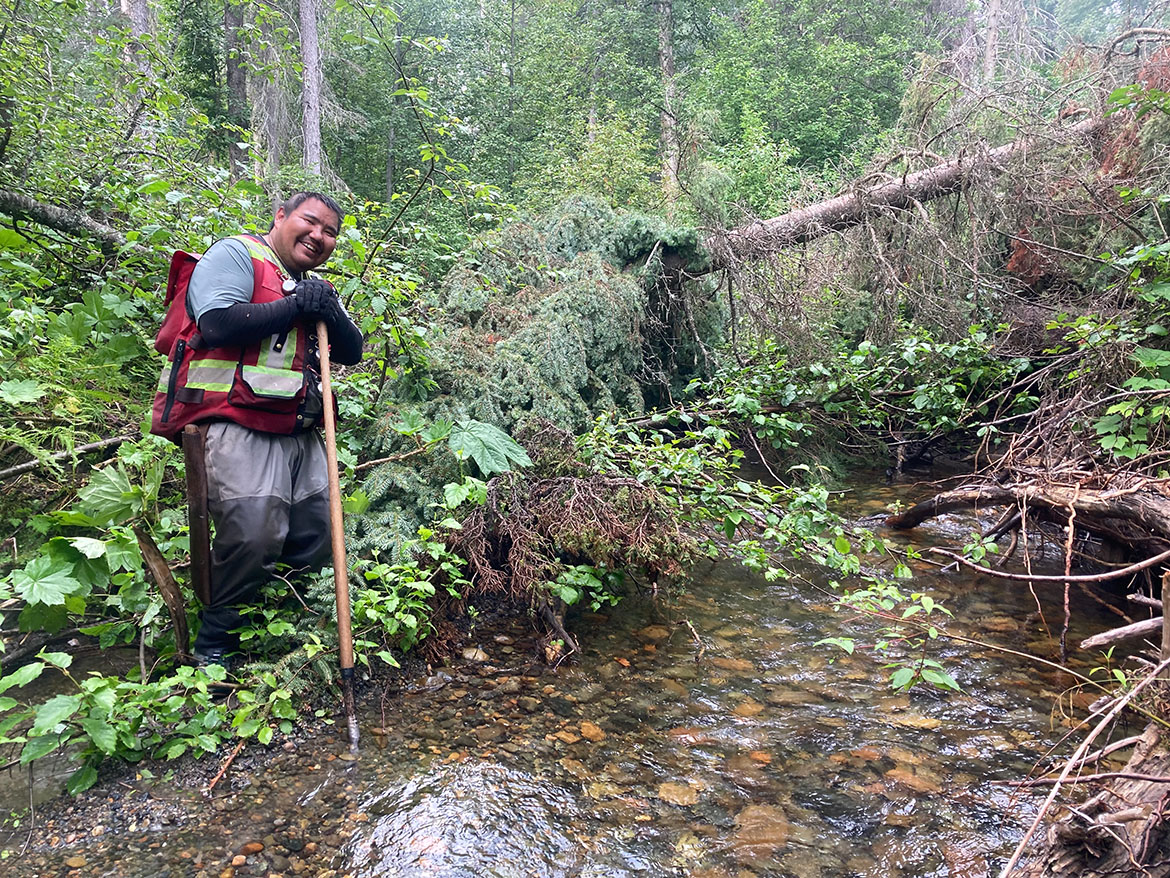
A member of Tl’azt’en Nation shares his knowledge and experience with our stock assessment team to count Early Stuart Sockeye (Talo) returning to spawn in 40 different streams north of Fort St. James. This photo was taken at Van Decar Creek, a tributary of Middle River (Dzilt’ainli Koh), located between the Takla and Trembleur Lakes.
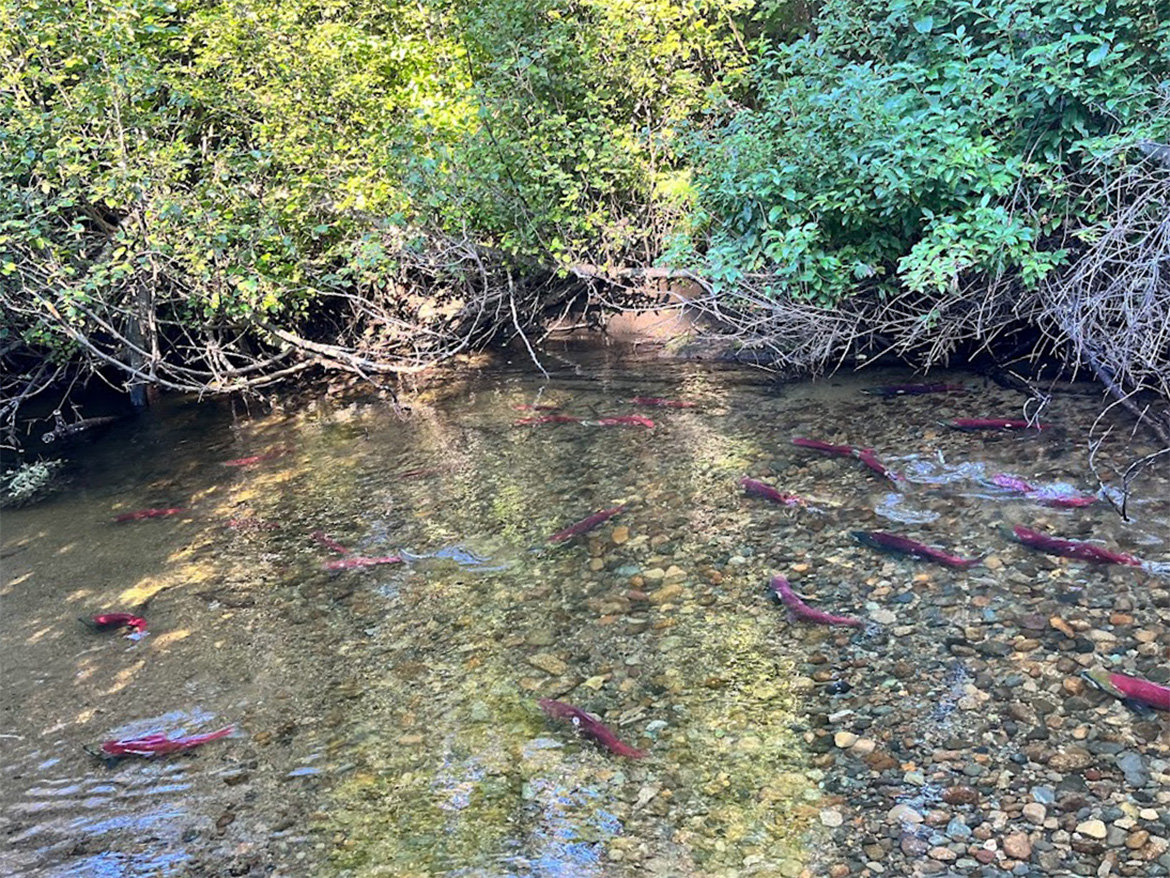
Early Stuart Sockeye spawning in Forfar Creek, located between Takla and Trembleur Lakes, north of Fort St. James in British Columbia.
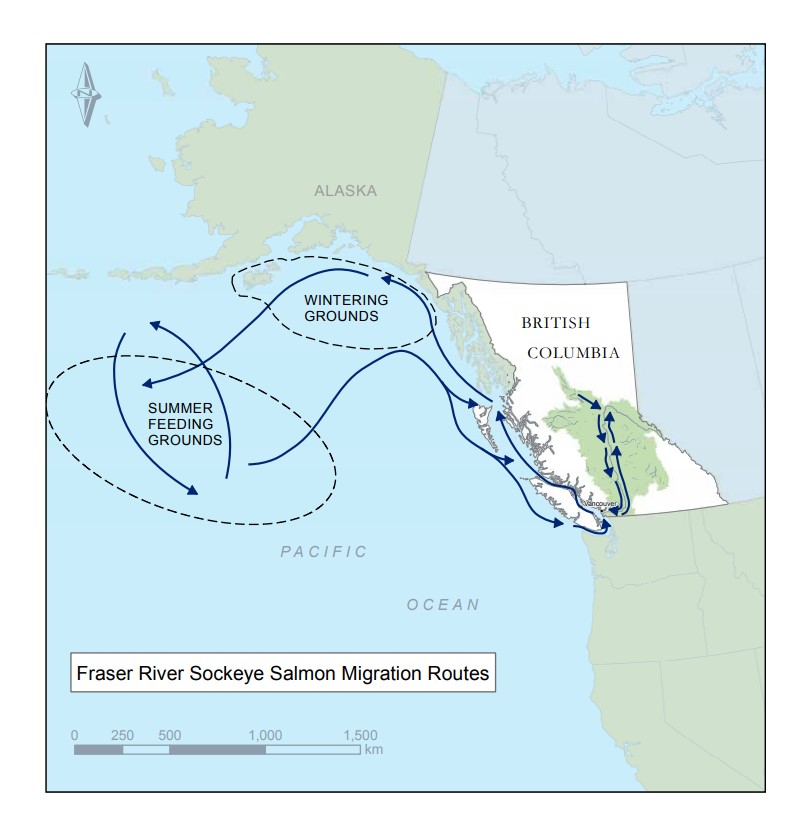
The Early Stuart Sockeye (Talo) salmon undertake the longest migration of all Fraser River sockeye, traveling nearly 1,200 kilometres from the mouth of the Fraser River to their spawning grounds in the central interior of British Columbia. Talo typically spend three years in the Pacific Ocean, and their diet consists of plankton and larva at the juvenile stage, and smaller fish, including sardines and herring at the adult stage.
Related links
- Rebuilding salmon, rebuilding ecosystems: Canada's integrated and collaborative approach to Pacific salmon recovery
- Conservation and stewardship
- Date modified: