
Rebuilding salmon, rebuilding ecosystems: Canada's integrated and collaborative approach to Pacific salmon recovery
Wild Pacific salmon are remarkable fish species, their lifecycle involves traveling from inland freshwater environments to the ocean and back again, crossing many jurisdictions and ecosystems along the way. This complexity makes rebuilding Pacific salmon a challenging endeavour that requires coordinated planning and collective action. At Fisheries and Oceans Canada (DFO), we have been implementing collaborative approaches to support vulnerable salmon populations. By addressing challenges collectively, we have the opportunity to create more comprehensive strategies to rebuild salmon populations.
How are we advancing salmon rebuilding collaboratively
Through the Pacific Salmon Strategy Initiative (PSSI), we are working with partners across various jurisdictions to develop solutions to revitalize salmon populations and their habitats, while advancing reconciliation with First Nations. Salmon rebuilding is a multi-year, collaborative effort that brings together project partners to identify threats to salmon populations, prioritize actions to mitigate these risks, and set population recovery and habitat rehabilitation objectives. At the heart of this work is the early involvement of partners and stakeholders in the planning process, ensuring diverse interests are integrated from the beginning. Collaboration with First Nations and groups outside of DFO strengthens salmon recovery efforts by incorporating Indigenous Knowledge and ecological science. Our staff also contribute their expertise to support salmon rebuilding efforts.
We are currently facilitating collaborative processes to rebuild salmon populations and salmon ecosystems throughout British Columbia and Yukon at different geographic scales. For example, we are developing rebuilding plans focused on particular salmon populations such as Early Stuart Sockeye, Lake Babine Wild Sockeye, Nanaimo River Summer Chinook, Yukon River Chinook, and supporting the Smith Inlet Sockeye rebuilding process, but we are also working at a larger watershed scale to support salmon rebuilding in the Nicola River, Thompson-Shuswap, and Yukon River areas. Each collaborative process is unique and makes an effort to address critical issues as needed. In several cases, rebuilding plans have been successfully completed – such as for Okanagan Chinook and West Coast Vancouver Island Chinook. The plans developed through these processes will serve as roadmaps for future rebuilding efforts to protect salmon stocks and ecosystems with clear markers to track progress towards goals.
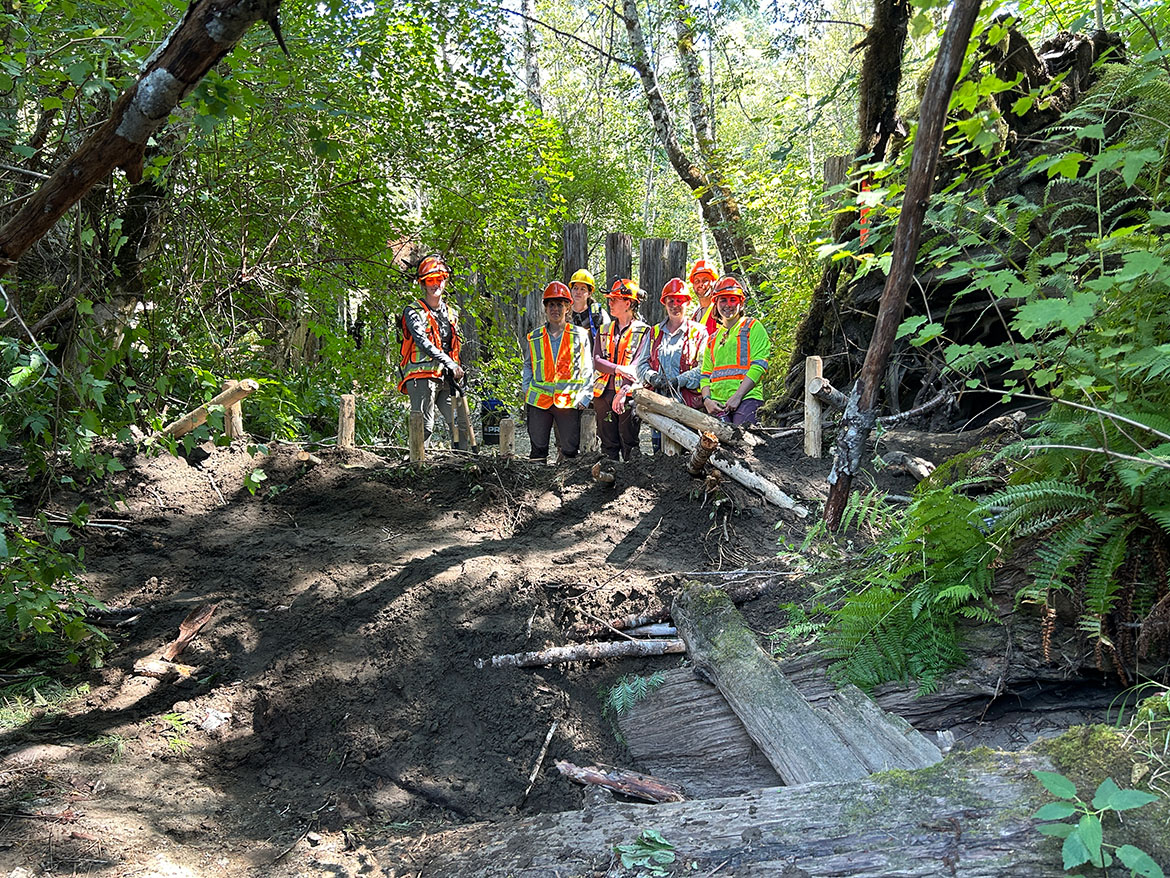
An example of early action taken as part of the Nanaimo River Summer Chinook collaborative salmon rebuilding process. Co-led by Snuneymuxw First Nation and our Habitat Restoration Program, natural wood structures were built using low-tech restoration techniques to support salmon in Deadwood Creek, a key Nanaimo River tributary. Partners included BC Conservation Foundation, Mosaic, Nanaimo Area Land Trust (NALT), and Vancouver Island University.
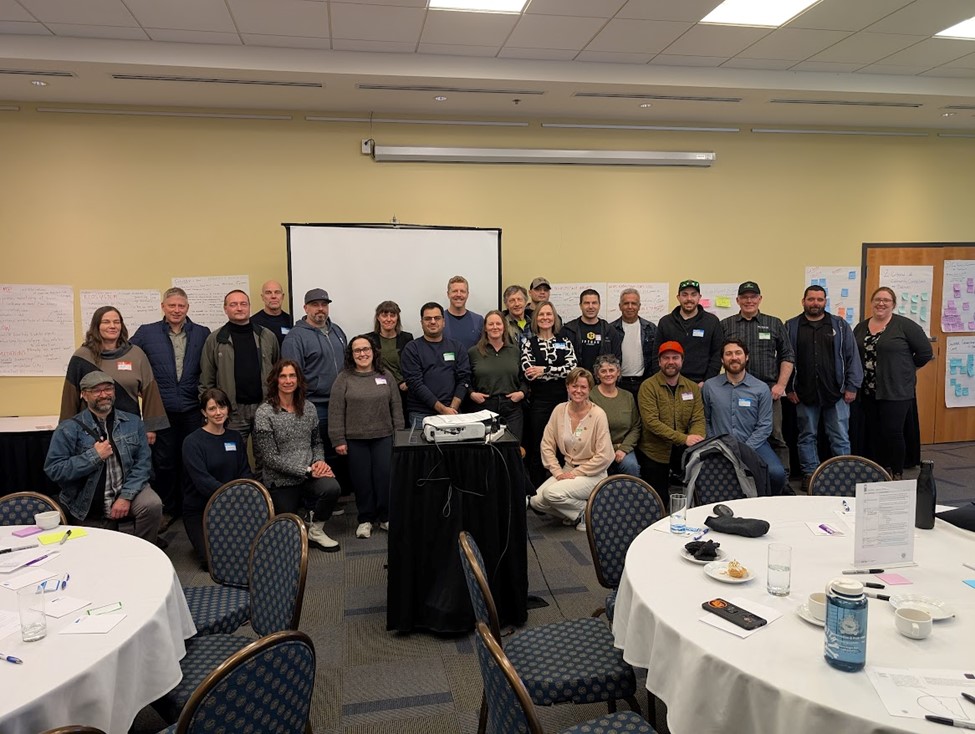
Participants at the Nanaimo River Summer Chinook collaborative salmon rebuilding workshop we held in Spring 2025 included representatives from Snuneymuxw First Nation, the Province of BC, Regional District of Nanaimo, City of Nanaimo, Nanaimo River Hatchery, Harmac Pacific, Mosaic Forest Management, BC Conservation Foundation, Nanaimo Area Land Trust, Nature Trust of BC and Simon Fraser University.
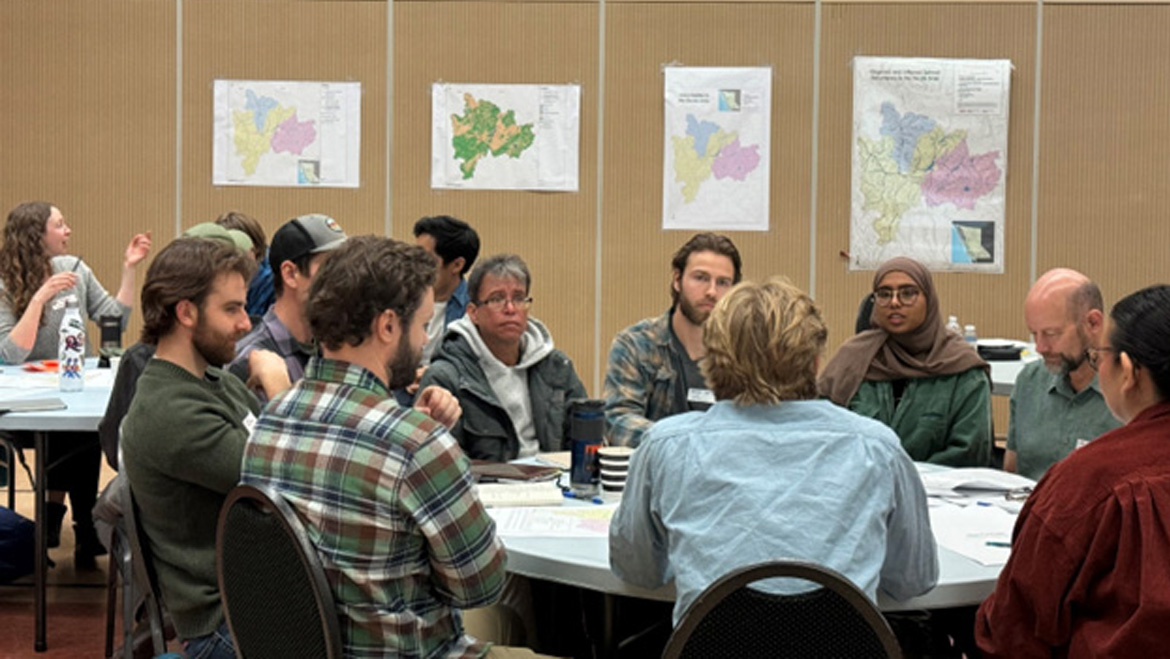
A collaborative workshop in Merritt brought together partners to support salmon ecosystem health in the Nicola region. Through PSSI, we regularly convene with the Scw'exmx Tribal Council, 6 Nicola First Nations, and the Province of British Columbia to support salmon ecosystems in the Nicola River watershed.
Related links
- Spotlight on the Early Stuart Sockeye (Talo) collaborative salmon rebuilding process
- Conservation and stewardship
- Integrated Planning for Salmon Ecosystems
- Guidelines for writing rebuilding plans per the Fish Stocks Provisions and A Fishery Decision-making Framework Incorporating the Precautionary Approach
- Date modified: