
What we heard report: Wave 2 Fish and Fish Habitat Protection Program
On this page
- Executive summary
- Introduction
- Engagement approach
- Feedback analysis
- Cumulative effects on fish and fish habitat position statement
- Framework for identifying, establishing and managing ecologically significant areas
- Prescribed Works and Waters Regulations
- Framework to identify fish habitat restoration priorities
- Management of death of fish (other than fishing) under the Fisheries Act and the Species at Risk Act position statement
- Management of existing facilities and structures under the Fisheries Act and Species at Risk Act position statement
- Framework for aquatic species at risk conservation
- Conclusion
Executive summary
The Government of Canada introduced proposed amendments to restore lost protections and incorporate modern safeguards into the Fisheries Act on February 6, 2018. An Act to amend the Fisheries Act and other acts in consequence received royal assent on June 21, 2019. The modernized Fisheries Act provides stronger protections to support Canada’s aquatic resource sustainability for future generations. The fish and fish habitat protection provisions, which were included in the amendments, came into force on August 28, 2019.
The Fish and Fish Habitat Protection Program (FFHPP) of Fisheries and Oceans Canada (DFO) launched multi-wave engagement to reinforce DFO’s commitment to govern with openness, effectiveness and transparency with Indigenous Peoples, partners and other key interested parties on the development of products to support implementing these provisions.
DFO is committed to achieving reconciliation with Indigenous Peoples through renewed nation-to-nation, government-to-government, and Inuit-Crown relationships based on the recognition of rights, respect, co-operation and partnership as the foundations for transformative change.
Wave 2 engagement
FFHPP began a multi-wave engagement process in the fall of 2020. Wave 2 ran from November 2021 through January 2023 and provided opportunities for the participation of Indigenous Peoples, provinces and territories, and other interested parties in the conservation and protection of fish and fish habitat.
Wave 2 continued the conversation on 2 topics from Wave 1 and started engagement on 5 new topics. FFHPP engaged on these 7 subject areas by encouraging interested parties to submit their feedback in writing to DFO, as well as attend presentations and participate in online surveys.
The 2 topics on which FFHPP continued engagement from Wave 1 were:
- draft position statement on the consideration of cumulative effects on fish and fish habitat in support of decision making under the Fisheries Act
- proposed Prescribed Works and Water Regulations
The topics introduced in Wave 2 were:
- draft position statement on the management of death of fish (other than fishing) under the Fisheries Act and the Species at Risk Act
- draft position statement on the management of existing facilities and structures under the Fisheries Act and the Species at Risk Act
- draft framework for identifying, establishing and managing ecologically significant areas
- draft framework for aquatic species at risk conservation
- framework to identify fish habitat restoration priorities
Engagement approach
FFHPP-facilitated virtual engagement sessions were held to provide information on each topic intending to solicit feedback and invite participants to share comments and expertise. Program subject matter experts were available at these engagement sessions to answer questions and provide clarification on engagement materials.
The primary purpose of the virtual engagement sessions was to listen to participants’ questions and comments. During sessions, participants were introduced to the Wave 2 topics and encouraged to provide feedback during and after these sessions. In addition to the multi-interest national sessions, national Indigenous engagement sessions were held to answer questions, clarify information and receive comments. DFO Regional teams also engaged with Indigenous Peoples, partners and other interested parties within their regions.
DFO held 11 national virtual multi-interest engagement sessions, 5 national virtual engagement sessions with Indigenous Peoples, 39 regional multi-interest engagement sessions, and 26 regional engagement sessions with Indigenous Peoples. Partway through Wave 2, DFO started hosting national engagement sessions with Indigenous Peoples and will continue this practice in future engagement waves.
Recordings of the technical session presentations, topic FAQs, and draft products were also made available online.
The feedback received will be used to inform the development of new regulations, policies and guidance to support implementing the fish and fish habitat protection provisions of the Fisheries Act.
Key findings
Several key themes emerged from the Wave 2 feedback.
Key Indigenous themes
Aboriginal and treaty rights
A key concern for Indigenous participants was how the products would impact and account for Aboriginal and treaty rights. Rightsholders want to be involved in determining impacts to their Aboriginal rights and ensure their part of recognizing self-determination, as identified in the DFO Reconciliation Strategy, is upheld.
Clarification
Indigenous participants frequently commented on the need to improve and clarify wording within the products, as some phrasing was too vague. Participants also requested clarity on how key concepts in the Wave 2 products, such as how temporal and spatial scale will be addressed in the Cumulative effects position statement.
Cumulative effects
Many Indigenous participants expressed the need for clarity on how the Wave 2 products would address or consider cumulative effects.
Collaboration
Indigenous participants expressed a greater need for collaboration between DFO and Indigenous Peoples when developing and implementing policy, regulations, and other instruments and tools. For example, interest was expressed in taking a co-governance approach to managing ecologically significant areas.
Indigenous Knowledge
Feedback from Indigenous participants emphasised balancing Indigenous Knowledge and Western science when developing and implementing policy, regulations, and other instruments and tools.
Key multi-interest themes
Clarification
Respondents frequently commented on the need to improve and clarify wording within the products as some phrasing was too vague and created the potential for confusion.
Avoiding regulatory overlap
A common concern expressed by participants was ensuring the Wave 2 products would not have regulatory overlap with provincial and territorial regulations or other federal departments and agencies.
Other policy, tools and regulations
Multi-interest engagement participants expressed a need for more clarity on how the Wave 2 products would interact with each other and existing policy, regulations, instruments and tools within and external to DFO.
Collaboration
Participants said they would like to see more collaboration between FFHPP and:
- other federal departments and agencies
- provincial and territorial governments
- municipalities
- conservation authorities
Introduction
The Government of Canada introduced proposed amendments to restore lost protections and incorporate modern safeguards to the Fisheries Act on February 6, 2018. An Act to amend the Fisheries Act and other acts in consequence received royal assent on June 21, 2019. The modernized Fisheries Act provides stronger protections to support the sustainability of Canada’s aquatic resources for future generations. The fish and fish habitat protection provisions came into force August 28, 2019. The modernized Fisheries Act:
- strengthens Indigenous Peoples’ role in project reviews, monitoring and policy development as part of early steps to advance reconciliation
- recognizes decisions can be guided by principles of sustainability, precaution and ecosystem management
- promotes restoration of degraded habitats
- allows for the better management of all projects impacting fish and fish habitat through new policy and regulatory frameworks, including codes of practice
New regulations, policies and guidance are needed to support the implementation of the fish and fish habitat protection provisions. FFHPP has launched multi-year engagement with Indigenous Peoples, partners and other key interested parties on the development of these products. This multi-year engagement reinforces DFO’s commitment to govern with openness, effectiveness and transparency.
DFO is committed to achieving reconciliation with Indigenous Peoples through renewed nation-to-nation, government-to-government, and Inuit-Crown relationships based on the recognition of rights, respect, co-operation and partnership as the foundations for transformative change.
FFHPP ran Wave 1 of the multi-wave engagement process from December 2020 to December 2021. The Wave 1 What We Heard Report is available on the Projects near water platform.
In November 2021, FFHPP initiated Wave 2 of the multi-wave engagement process. FFHPP engaged on 7 products with Indigenous Peoples, partners and other interested parties.
Specifically, FFHPP sought input on:
- draft position statement on the consideration of cumulative effects on fish and fish habitat in support of decision making under the Fisheries Act
- proposed Prescribed Works and Water Regulations
- draft position statement on the management of death of fish (other than fishing) under the Fisheries Act and the Species at Risk Act
- draft position statement on the management of existing facilities and structures under the Fisheries Act and the Species at Risk Act
- draft Framework for identifying, establishing and managing ecologically significant areas
- draft Framework for aquatic species at risk conservation
- Framework to identify fish habitat restoration priorities
Engagement approach
FFHPP used multiple engagement methods during Wave 2 to enable participants to engage in ways suitable to their needs. These methods included virtual technical sessions, opportunities to submit written feedback, and surveys and other digital engagement materials available online.
FFHPP’s engagement activities undertook 2 distinct paths:
- engagement with interested Indigenous Peoples, partners and other interested parties
- complementary engagement exclusively with Indigenous Peoples, communities and organizations
As seen in Figure 1, Wave 2 engagement followed a set timeline. Engagement began in November 2021 with a launch presentation informing interested parties about topics for Wave 2 engagement scope and the subject matter that would be discussed. Product-specific technical presentations were scheduled in the spring and fall of 2022 to offer a more in-depth look at each product.
Engagement materials included product-specific discussion papers, fact sheets and presentations available online from November 2021 onward. Online activities and surveys ran on the platform from January 2022 through December 2022. Virtual national engagement sessions were held in January, February, March, May, June and November 2022. Virtual national engagement sessions for Indigenous participants were held in June, September and December 2022. Written submissions from Indigenous Peoples, partners and other interested parties were welcomed throughout the engagement period.
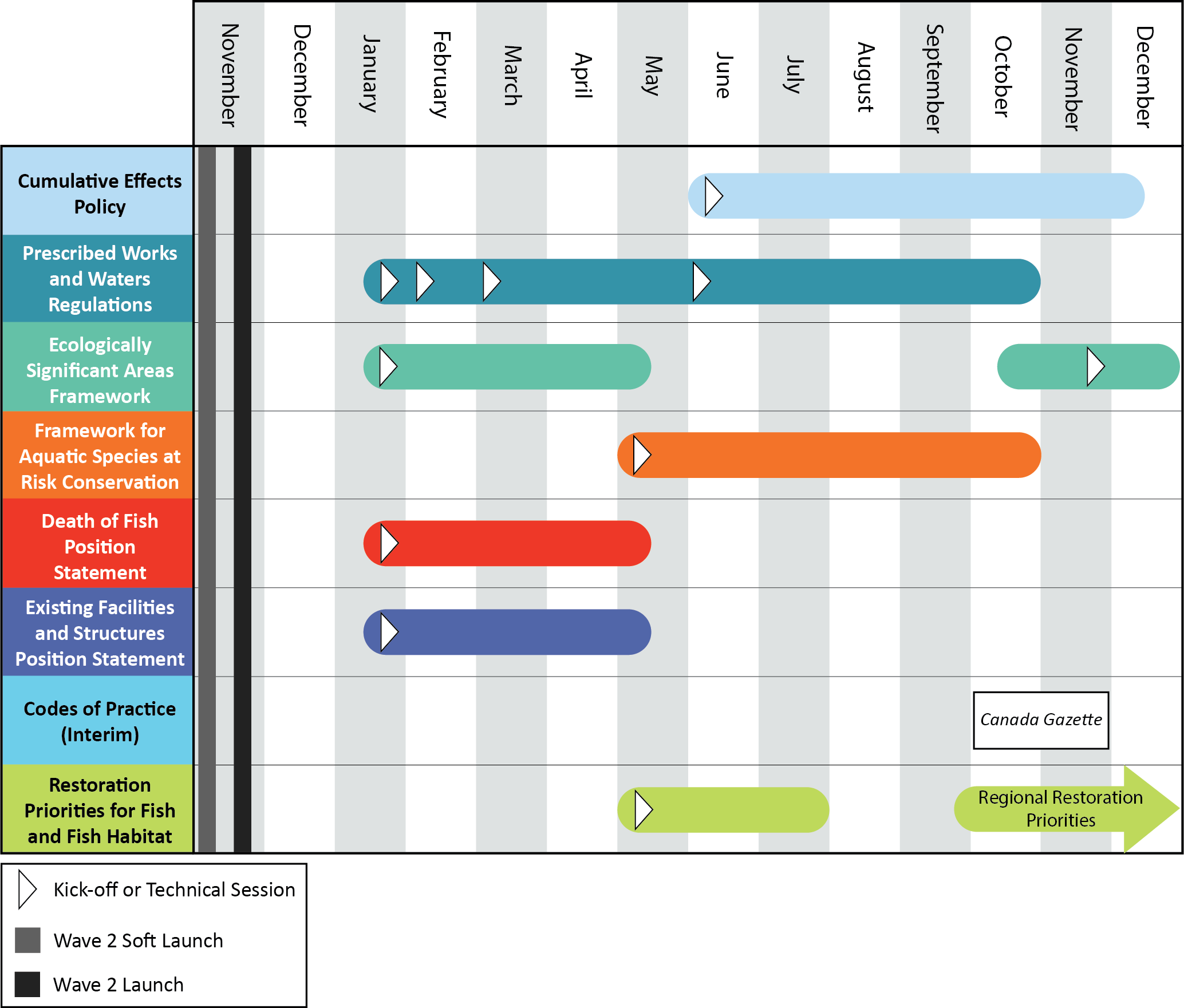
Figure 1. FFHPP Wave 2 engagement timeline
Long description
Timeline for FFHPP Wave 2 engagement. Wave 2 engagement was launched in November 2021. Engagement on the Cumulative Effects Position Statement ran from June to December 2022. Engagement sessions were held in June. Engagement on the Prescribed Works and Waters Regulations ran from January to October 2022. Engagement sessions were held in January, February, March and June. Engagement on the Ecologically Significant Areas Framework ran from January to May 2022 and from October 2022 to January 2023. Engagement sessions were held in January and November 2022. Engagement on the DFO Species at Risk Program’s Framework for Aquatic Species at Risk ran from May to October 2022. Engagement sessions were held in May. Engagement on the Death of Fish Position Statement and the Existing Facilities and Structures Position Statement ran from January to May 2022. Engagement sessions were held in January. The interim codes of practice were posted on Canada Gazette in October 2022. Engagement on the Restoration Priorities Framework ran from May to July 2022. Engagement sessions were held in May. DFO regions began engagement on regional restoration priorities in September 2022.
DFO’s Regions undertook accompanying engagement processes to support participation. Regional sessions with FFHPP regional subject matter experts supported conversations with interested parties and provided opportunities to discuss the products. The input gathered through these national and regional engagement sessions was shared with FFHPP subject matter experts and is reflected in this report.
Feedback analysis
Feedback received through online engagement and written submissions was compiled and organized by engagement topic. FFHPP’s analyses included:
- identifying general themes and key messages
- exploring conflicting viewpoints and comments
Feedback was assessed relative to each product’s engagement scope. Although feedback did not have to be limited to the questions posed by FFHPP, comments outside the scope of Wave 2 engagement activities cannot necessarily be addressed in the next phases of Wave 2 product development. However, these comments may influence future FFHPP policy and program development.
Feedback from Indigenous Peoples was analysed separately from feedback received from other sources. This allowed FFHPP to consider the specific rights, interests and perspectives of Indigenous Peoples, and to weigh their input accordingly.
Who we heard from
Over 1,000 participants from across Canada participated in Wave 2 national engagement. Engagement sessions were held with:
- Indigenous Peoples
- provinces and territoriesFootnote 1
- industry associations
- environmental non-governmental organizations
- other interested parties
Virtual national engagement session participation was high, and many attendees actively participated during question-and-answer periods to share their insights. Participation was geographically dispersed across Canada.
Disclaimer
This report provides a summary of key messages heard through written submissions, online participation and discussions held at virtual and in-person workshops and sessions November 2021 through January 2023.
No personal information is disclosed in this report. All information collected stays anonymous outside of FFHPP use and those providing input. The high-level summaries presented in this report do not fully capture the richness of input received.
Cumulative effects on fish and fish habitat position statement
Background
DFO understands cumulative effects as the combined impact of multiple natural and/or anthropogenic pressures accumulated over time and space. Cumulative effects occur when an aquatic ecosystem does not have adequate time to recover from previous or ongoing pressures before being subjected to new, overlapping impacts. To inform decision making, FFHPP considers how pressures associated with proposed projects (works, undertakings and activities) might combine with pressures from other past, ongoing or future projects on the landscape.
FFHPP drafted a position statement for the consideration of cumulative effects on fish and fish habitat in support of decision making under the Fisheries Act to provide an overview on how FFHPP considers cumulative effects on fish and fish habitat prior to issuing or refusing an authorization related to the death of fish and harmful alteration, disruption or destruction of fish habitat. The position statement aims to ensure FFHPP can demonstrate the consideration of cumulative effects on fish and fish habitat in a consistent manner, and provides assistance to staff on how FFHPP mandates and objectives should be implemented in a fair, dependable and effective manner.
In Wave 2, FFHPP sought feedback on the draft position statement’s clarity.
Feedback from Indigenous participants
Inclusion of Aboriginal and treaty rights
Indigenous participants noted a lack of content in the position statement addressing how their rights will be considered. Rightsholders want to be involved in determining impacts to their Aboriginal rights, including cumulative effects, and ensure their part of recognizing self-determination, as identified in the DFO Reconciliation Strategy, is upheld.
Feedback also indicated adverse effects on Aboriginal and treaty rights should be considered, integrated fully into the matrix of potential outcomes developed by DFO, and distinguished from other assessment categories so that they play a decisive role in the recommendations DFO makes.
Collaboration with Indigenous communities
Feedback stated Indigenous Peoples want active co-development roles in the determining factors like temporal and spatial scale, boundaries and thresholds any time there is a proposed project with the potential to affect their communities.
Feedback also noted a lack of specificity regarding how DFO’s consideration of cumulative effects will work in conjunction with treaties and other legislation specific to the many Indigenous territories throughout Canada.
Outcomes and monitoring
While feedback conveyed overwhelming support for DFO to begin considering cumulative effects in decision making, issues were noted over the ‘Potential outcomes when considering cumulative effects’ table, as well as the responsibility for monitoring, data collection and accessibility.
Participants said the potential outcomes are too vague, making it difficult to discern exactly what factors are currently being considered. They also said there is a lack of clarity on how DFO will make decisions without having to assess the current state of an ecosystem. Lastly, feedback stressed that monitoring should be done in conjunction with local communities.
Use and collection of data
Indigenous participants support the scientific approach and data collection in order to have robust science behind decision making. However, they said there needs to be more open access to data and the information around its use, including its sources and how it is used in decision making.
Feedback also said DFO should develop a framework for assessing cumulative impacts on fish and fish habitat in conjunction with rightsholders that will specify data collection standards for all projects.
Clarify concepts and strengthen language
There were recommendations for strengthening and clarifying language in much of the feedback. For example, language in section 4.1 of the position statement should be strengthened by changing phrasing like “may choose to consider…” to “will consider…”.
According to the input received, more clarification is needed around the terms ‘temporal and spatial scale’, and how they will be determined.
Participants said that while it is encouraging that the position statement includes the consideration of future stressors, it should be clarified whether their inclusion is optional.
Scale
There is a desire to have projects viewed on a large-scale, regional or watershed level where multiple factors are considered – more of an ecosystem approach.
Feedback from multi-interest holders
Aboriginal and treaty rights
Feedback noted it is critical that the position statement include how cumulative effects, in relation to Aboriginal and treaty rights and Indigenous interests, will be considered in decision making.
Clarify concepts and strengthen language
Respondents welcomed the consideration of cumulative effects in decision making. Recommendations were made to include stronger wording clarifying when and how aspects, such as temporal scale, spatial scale, boundaries and future stressors, will be addressed. Additionally, they said it would help to clarify how information gaps will be addressed when Indigenous Knowledge, local knowledge, and scientific information are unavailable.
A concern noted repeatedly was that project proponents should not be asked to take measures to minimize impacts caused by other projects or stressors.
Collaboration
Participants would like to see already-existing tools, such as marine spatial planning and geographic information systems (GIS), used to help in determining the extent of cumulative effects on proposed projects’ landscapes. Feedback suggested DFO could work in conjunction with other federal departments, like the Impact Assessment Agency of Canada, to ensure a consistent approach for considering cumulative effects across the government.
Use and collection of data
Feedback often mentioned data collection and use, including wanting more clarity on who is responsible for collecting data and what approved data sources DFO will use in decision making. Participants supported the view that DFO should assess cumulative impacts through regional studies with partners, such as provincial and territorial governments, watershed institutions and Indigenous communities. Feedback also highlighted a need for public access to cumulative effects assessment results.
Feedback consideration
While all input from engagement sessions and written feedback were carefully read in detail, not all recommendations fit into the scope of the position statement. For example, suggestions for updating the placer authorization process in the Yukon to consider cumulative effects, and suggestions for including salmon performance indicators were not within the scope of this position statement.
The feedback has been used to finalize the position statement after identifying several areas that needed clarification. For instance, DFO has revised the position statement to ensure relevant future stressors will be considered, and to clarify terms like “spatial scale”, “temporal scale” and “thresholds”.
Next steps
DFO will continue to apply and support the Open Science and Data Platform which provides access to thousands of records containing related data, publications, maps and information about development activities across the country that can be used to understand the cumulative effects of human activities to support better decisions in the future (>147,000 relevant records from 25+ content providers).
In addition, DFO staff will continue to use tools to spatially assess multiple aspects of Canada’s waterways including water quality data, species at risk data, local stressors, and other information – all meant to help create a picture of the cumulative effects landscape to help in making decisions.
DFO will continue to work with federal partners to ensure its policy development is in keeping with existing and evolving guidance on cumulative effects. The Department hopes that collaborative development with colleagues, Indigenous Peoples, partners and other interested parties will result in scientifically sound policy that will ensure responsible aquatic environmental stewardship.
Framework for identifying, establishing and managing ecologically significant areas
Background
In 2019, the ecologically significant area (ESA) provisions (section 35.2) of the Fisheries Act were modernized to provide strengthened conservation and protection of priority fish and fish habitat areas. An ESA is a regulatory, area-based management tool that can apply to freshwater, estuarine and marine waters, including riparian zones. ESAs are intended to provide long-term conservation and protection, through regulation, of key areas of fish and fish habitat that are sensitive, highly productive, rare and/or unique. The Minister may prepare a plan for restoration of these areas when needed.
In Wave 2, FFHPP ran a two-tiered engagement process for a draft National framework for identifying, establishing and managing ecologically significant areas. The draft framework will:
- provide national guidance on how ESAs will be identified, established and managed
- clarify the role ESAs are intended to play in relation to other spatial conservation and protection tools
- describe how ESAs provide greater conservation and protection compared to other fish and fish habitat protection provisions under the Fisheries Act
FFHPP sought feedback in the winter of 2022 on what should be included in the draft National ESA framework and on initial concepts as well as how Indigenous Peoples, partners and other interested parties would like to be involved in ESA identification, establishment and management.
FFHPP released the draft framework in November 2022, seeking feedback on its content and clarity.
Feedback from Indigenous participants
Indigenous participants were largely supportive of the ESAs. Feedback from Indigenous participants and groups focused on the clarity of concepts and language in the draft framework, with engagement, co-governance and clarifying the role of ESAs within Canada’s conservation goals being the most frequently occurring themes. Other themes include cultural criteria, Indigenous Knowledge, and the United Nations Declaration on the Rights of Indigenous Peoples (UNDRIP).
Cultural criteria
Indigenous participants indicated that ESAs should encompass a whole world view and ESA establishment criteria should not only be based on ecological considerations, but also on places or species of cultural importance to Indigenous Peoples.
Engagement
FFHPP heard Indigenous participants want engagement to be inclusive of all Indigenous Peoples. The most common topic related to engagement was the desire for early and meaningful engagement throughout all phases of ESA implementation, including prior to the identification phase and continually following establishment in the management phase. It was also mentioned by some Indigenous participants that engagement and interactions with Indigenous Peoples should be based on UNDRIP.
As written in 1 feedback letter:
“After attending the presentation and reviewing the material, I notice that there is mention of engagement with Indigenous People throughout ESA implementation, however I would urge you to clearly define what engagement looks like, and that it will be a distinctions-based approach ensuring all Indigenous voices have a seat at the table. It is very important to provide incentive for proponents to provide distinctions-based Indigenous tendering and pre/post monitoring through the life of these projects.”
Co-governance
For Management phase governance, including co-governance, Indigenous participants were clear about the following: ESAs are a great opportunity for exploring new types of arrangements with Indigenous Peoples. These arrangements could be related to governance of an established ESA, during the Management phase. During this phase, the ESA is monitored and projects within the ESA are reviewed and enforced to ensure conservation and protection objectives (CPOs) are being met, and Indigenous Peoples have expressed interest in partnership agreements that include decision making. Some groups also mention this is an opportunity for DFO to show that it is serious about the Government of Canada’s reconciliation objectives. As written in 1 feedback letter:
“One area that requires more clarity and extensive discussion is alternative governance arrangements for potential ESAs. Other federal, provincial, and territorial government departments have opened up nation-to-nation conversations about existing and future protected area development with Indigenous Nations and/or communities […]. In your commitment to reconciliation, we trust that our feedback will be incorporated into the ESA Framework.”
Clarifying the role of ESAs within Canada
Indigenous participants said they would like to see the role of ESAs within Canada clarified. This is first reflected by comments on the role of ESAs within other conservation measures, and ensuring a clear comprehension of the niche of ESAs is presented in the framework. “The differences, similarities, and overlaps between ESAs and other marine protection mechanisms (for example, marine protected areas) should be clearly laid out, perhaps with a table or diagram.”
Another important aspect raised by Indigenous participants on the role of ESAs is the lack of a clear definition regarding cultural criteria for ESA consideration. Although ESA prioritization considerations include areas important to Indigenous Peoples, culturally important fish and fish habitat are not currently part of the ESA ecological criteria. Indigenous participants said they would like to see this change:
“Firstly, it is recommended that DFO take a proactive approach to protecting habitats for all species – not just species at risk – as well as areas and values of cultural importance including traditional use and culturally sensitive areas (i.e., areas of spiritual and/or ceremonial importance and known or suspected areas of archaeological presence).”
Indigenous Knowledge
Indigenous participants also mentioned to the Department the importance of considering Indigenous Knowledge (IK) throughout the ESA implementation process. They mentioned this is important not only in the regulatory consultation process but also prior, when determining if a site is a good ESA candidate or not. They also mentioned that IK should be considered with equal weighting to western science.
Feedback from multi-interest holders
FFHPP received significant feedback from non-Indigenous partners and other interested parties during engagement on ESAs, including from provinces and territories, government departments and agencies, non-governmental organizations, and other interested parties. Feedback touched on:
- ESA boundaries
- conservation and protection objectives (CPOs)
- conservation goals
- engagement
- ESA projects
- ESA approvals
- interim protection measures
- nomination process
- other conservation tools
- regulatory timelines
- socioeconomic considerations
- upstream projects
Engagement
The most consistent feedback from industry participants was related to engagement; industry was supportive of early engagement. Industry also recommended that engagement be done early to ensure that ESAs are the right tool for the right place, and that interested parties can have an equal say in the defining and identification of all ESA characteristics. Industry also commented on the need to clarify the “approval” process for ESAs, and that other interested parties should agree on ESA characteristics prior to publication in the Canada Gazette.
ESA clarification
DFO also heard that certain concepts needed further clarification. It wasn’t clear to some participants whether CPOs were going to be defined in regulation and how they were going to be developed. Industry also commented on the necessity of clarifying if and when harmful alteration, disruption or destruction (HADD) of fish habitat would be allowed to occur in ESAs. NGOs also asked whether interim protection measures exist or would be applied to ESAs or areas under consideration for ESA nomination. Clarification of ESA boundaries were also requested: for example,, if it was possible to “batch” together multiple small ESAs to create an overarching, larger ESA boundary.
ESA nomination
DFO also heard from participants that more information is needed on the nomination process for ESAs. What would the process be and how would DFO consider and potentially choose nominations?
Avoiding regulatory overlap
Feedback indicated ESAs should be considered part of broader regional planning initiatives coordinated with other regulators, such as other federal departments, provincial and territorial governments, and Indigenous governments, to avoid inter-governmental conflict or regulatory overlap.
“ESAs should be considered as part of broader regional planning initiatives and be tailored to reflect local circumstances and priorities” and “A coordinated effort would also help optimize the effectiveness of ESAs and avoid competing initiatives and inter-governmental conflicts, including those involving provincial regulatory authorities in proposed ESAs.”
Socioeconomic considerations
Participants proposed that socioeconomic considerations need to be considered in the ESA Identification and Establishment phases in an equal manner to ecological considerations.
Other conservation tools
Industry concerns were centered around ensuring that when an ESA is used, that it is the most appropriate tool for the conservation of fish and fish habitat in that area. Further, multiple comments were made that more information is needed on how the ESA tool compares to other conservation tools.
Strengthening and affirming the ESA tool and their regulations
NGOs were supportive of ESAs as a new initiative and tool to provide protection to fish and fish habitat, especially because it can be applied in freshwater. However, NGOs would like to see the tool strengthened, and this is reflected in the topics of their comments:
- interim protection measures
- other conservation tools
- regulatory timelines
- upstream projects
NGOs would like to see ESAs have regulatory timelines for establishment, which would help make DFO’s commitment stronger. They also have concerns that the ESA provisions do not contain Interim Protection Measures for ESA sites that are undergoing the Governor in Council regulatory phase.
For example, “[…] we think that the draft lacks details on the process for designation and commitment to capacity within DFO to implement ESAs. […] we are also concerned with the required regulatory process that these might take too long to be established (they certainly should not require as much time as MPAs).”
From other governments, DFO received feedback about capacity and funding as well as the ecological criteria. Finally, DFO received a submission from an environmental law firm which spoke to CPOs and ESA boundaries.
Comments outside engagement scope
A comment mentioned that the overall approach taken by DFO is colonial: “As it is currently written, the ESA Framework continues to perpetuate a colonial and one size fits all approach to conservation and protection of habitat and species. It is strongly recommended that a process for Indigenous Nations, communities and/or organizations to be created to support meaningful discussion and implementation of the ESA Framework that honors and respects both western and Indigenous Knowledge Systems, worldviews, values, goals and aspirations”. This comment is outside of the scope of ESAs and relates to the process in which DFO engages for all its projects and initiatives. DFO strives to meaningfully include Indigenous perspectives, knowledge and rights when developing products and making decisions, including giving significant weight to Indigenous feedback received through engagement activities.
DFO also heard comments on the quality of the French version of the draft framework. In summary, the feedback stated that they expect a higher quality of French regarding materials provided by DFO. The program is taking steps to better ensure quality control of translated materials in the future.
Feedback consideration
Feedback improved the clarity of language used in the draft framework, with comments influencing wording and descriptions. This included adding hypothetical examples, such as for ESA conservation and protection objectives. Other comments required the development of additional materials or were added to DFO’s work plan for the future, such as a table comparing ESAs to other conservation tools in the framework, and the future development of a nomination process for external interested parties.
Next steps
The Framework for identifying, establishing, and managing ecologically significant areas was published in 2023.
The next steps will mostly focus on regional exploration of ESA case studies, or areas that need to be explored further to evaluate ESA candidacy. Some of these steps are listed below:
- continue developing reference materials, guidance materials and templates to guide the implementation of ESAs
- begin work on ESA case studies on a case-by-case basis to identify and consider opportunities for potential ESA establishment in the future
Prescribed Works and Waters Regulations
Background
In Wave 1, the Fish and Fish Habitat Protection Program (FFHPP) began engagement on the proposed Prescribed Works and Waters Regulations (PWWR). The proposed PWWR would provide FFHPP with a new tool for managing routine, low-risk projects in or near water with the potential to cause limited death of fish or the harmful alteration, disruption or destruction of fish habitat. This regulation could establish, or “prescribe”, classes of routine works that could proceed without FFHPP review, subject to mandatory fish and fish habitat protection conditions. The proposed PWWR is intended to support a shift in FFHPP efforts toward a more regulatory approach for managing potential impacts on fish and fish habitat.
The purpose of Wave 2 engagement on the proposed PWWR was to solicit feedback on the details of the following specific classes of works and conditions being considered for inclusion in a proposed PWWR:
- shoreline stabilization
- aquatic habitat rehabilitation projects
- Ontario municipal drains maintenance and repair
FFHPP also welcomed feedback on ideas for more classes to be considered for future engagement and potential inclusion in the proposed PWWR.
As well as engaging with Indigenous Peoples to solicit their input on the PWWR proposals, DFO identified a duty to consult Indigenous Peoples on this proposal due to the potential for impacts to Aboriginal and treaty rights which could result from the proposed PWWR. Several Indigenous responses flagged interest in pursuing further consultation on the proposals and raised questions that they would like addressed in the context of those discussions.
Feedback from Indigenous participants
Aboriginal and treaty rights
Feedback from Indigenous participants included broad questions on how DFO would consider the United Nations Declaration on the Rights of Indigenous Peoples (UNDRIP), treaty rights, Indigenous Knowledge, and impacts on the rights of Indigenous Peoples. It was noted that Indigenous concerns extended beyond just fish and fish habitat to include ancestral burial sites, access to traditional fishing areas and medicinal shoreline plants.
With respect to the proposed PWWR, some Indigenous groups said the proposed regulations should not apply in waterbodies or fish habitat deemed important to Indigenous Nations. Many groups expressed a desire to have a greater level of involvement in project review activities, such as the review and approval of individual projects and monitoring to ensure that prescribed measures were working and habitat was being protected. There were some concerns that the proposed PWWR would remove opportunities for Indigenous groups to participate in stewardship and collaborative activities.
Third-party offsetting
Over the course of the engagement activities, several participants requested that third-party offsetting options be included in the proposed PWWR, such as third-party banking or fee-in-lieu. Fee-in-lieu would allow project proponents to pay money into a fund instead of creating habitat offsetting features for each individual project. In response to these ideas, some Indigenous Peoples noted that fee-in-lieu would be an opportunity to fund Indigenous involvement in file review and monitoring, while others were concerned that it would be used to expedite project approvals.
Aquatic habitat rehabilitation objectives
A common perspective brought forward was that rehabilitation objectives, or the assessment of cumulative effects, should be rooted in the concept of restoring fish and fish habitat to pre-industrial conditions. Others, however, identified the need to be forward looking to accommodate/acknowledge the long-term effects of climate change. Many expressed that DFO needed to do more to manage cumulative effects, including how they would be considered and monitored. Indigenous Peoples also expressed a keen interest in being directly involved in the review and assessment of aquatic habitat rehabilitation projects.
Qualified environmental professionals
There was support for including a condition requiring projects be overseen by a qualified environmental professional (QEP) to ensure compliance with the Regulations. It was suggested that QEPs should have experience working with Indigenous Nations, and that Indigenous experience and Knowledge should be recognized as academically equivalent to QEP requirements.
Shoreline stabilization
Specifically, with respect to the shoreline stabilization class that was put forward for comment, most Indigenous groups said that DFO should incentivize ‘living’ or vegetated shorelines over the use of rock or rip rap. Concerns were also raised that the shoreline stabilization thresholds could lead to proponents splitting larger projects into multiple, smaller ones (a concept referred to as ‘project splitting’) to avoid the need for a DFO site-specific review.
Feedback from multi-interest holders
Support for a performance-based regulation
Overall, there was support for the idea of a performance-based regulation that could both improve regulatory efficiency and protect fish and fish habitat, though there were stark contrasts in opinion on how a regulation could be used to achieve this. Many participants were disappointed that the comments they provided in Wave 1 were not reflected in the specific classes put forward in Wave 2.
Classes too conservative and prescriptive
In general, industry groups said the proposed classes were too conservative and prescriptive to achieve any meaningful reduction in regulatory burden because they did not reflect the types of projects that proponents were routinely undertaking. Industry asked that the classes be more flexible in both the design criteria and selection of mitigation measures. Industry groups tended to want the proposed PWWR to cover the full lifecycle (for example, construction, operation, maintenance, upgrade and decommissioning) of the various project types.
Regulation-making process taking too long
Industry groups also felt that FFHPP’s progress on developing regulations was taking too long. They noted that—since the renewal of the Fisheries Act—both the number of referrals and the time it takes to receive approvals has increased.
Classes not protective enough
Environmental groups said that FFHPP’s current regulatory review process is not an appropriate benchmark upon which to base regulatory thresholds due to the cumulative effects that they feel are being generated. The view was expressed that the proposed classes must set a higher level of environmental protection. Many participants said the proposed PWWR should be limited to situations where existing structures were being repaired, removed or replaced with more fish-friendly designs.
Regulations not the only tool
The point was raised that a regulation is not the only means of achieving program improvements and that increased staffing, or simply saying ‘no’ to project proposals, could also provide better outcomes for fish and fish habitat. Some suggested that FFHPP could reduce workload by developing more educational material, or simply by finding other efficiencies in the existing project review process.
Third-party offsetting
Many participants supported the notion that FFHPP should pursue third-party offsetting options, such as fee-in-lieu and third-party banking. Environmental groups said that this would lead to more strategic and meaningful offsets than would otherwise be possible under the current project-by-project approach. This was also seen as a way of generating habitat restoration revenue from smaller, in-water projects that are currently deemed too small to require offsetting.
Waterbody exclusions
Environmental groups put forward an expanded list of fish bearing waters where the proposed PWWR should not apply. This list included:
- federal and provincial/territorial listed species at risk habitat, including areas that support species of special concern
- marine estuaries
- marine protected areas and marine refuges
- locally sensitive habitats that may not yet be documented
The counter argument was also made that excluding such large swaths of Canada would make the proposed PWWR ineffective. It was noted that sensitive habitats would likely be prime locations for the application of the proposed Aquatic habitat rehabilitation class.
Pre- and post-project notifications
There was consensus on the use of the proposed PWWR to require pre- and post-project notifications. This was seen as an improvement over the notification practices currently used for managing routine in-water works.
Additional classes of prescribed works
Many ideas were put forward for more classes that FFHPP should consider including in the proposed PWWR. The most requested class of routine works was watercourse crossings, a term that often included both pipeline and vehicle crossings. It was suggested that across Canada the number of existing watercourse crossings is in the hundreds of thousands and that ‘upgrading’ existing structures (for example, promotion of spanning structures, improvement of fish passage through the remediation of perched culverts, reduction in sediment due to chronic erosion) would result in a net national benefit to fish and fish habitat.
Class-specific recommendations
Shoreline stabilization class
Several participants identified the need to differentiate shorelines into specific ecotypes, upon which best available practices could then be based. Many said that rip rap should be limited to larger waterbodies and areas of high fetch.
Some participants said that shoreline stabilization was too complex to prescribe in regulation, citing that the current FFHPP site-specific reviews are an effective way to:
- encourage better embedment
- reduce in-water and upslope encroachments
- promote the incorporation of vegetative planting
Environmental groups largely said that the class should be limited to shoreline stabilization involving bioengineering, the softening of already hardened shorelines, or projects that did not require encroachment into the water.
Some participants indicated that attempts by DFO to allow, or promote, shoreline stabilization conflicted with emerging regional/provincial policies and legislation that are advocating for tighter restrictions and permitting for shoreline stabilization, in particular as they relate to rising sea levels.
Some participants said that this class should only be allowed where works are being done in support of approved watershed or shoreline management plans.
Aquatic habitat rehabilitation class
Environmental groups were strongly in favor of FFHPP developing options to streamline the review and approval of aquatic habitat rehabilitation projects. The proposed PWWR was seen as a means to provide legal certainty to proponents, while at the same time alleviating the current regulatory obligations to provide offsetting and financial guarantees.
Ontario municipal drains class
No major issues were raised with respect to the Ontario municipal drains repair and maintenance class. Drainage superintendents who would be directly affected by the proposed PWWR were supportive as long as it did not add any appreciable regulatory burden over the current class authorization process. DFO was asked to maintain the current one-window process for notifying both the conservation authorities and DFO of maintenance and repair activities.
Feedback consideration
Wave 2 engagement on the proposed PWWR classes ended in October 2022, although DFO continued to receive input into January 2023. DFO received substantial feedback that represented a diversity of views with respect to shoreline stabilization and aquatic habitat rehabilitation. Most of the feedback received with respect to the Ontario municipal drains class was supportive. DFO is considering all of the input.
Next steps
DFO will consider the input received and options to address the issues and challenges raised. DFO will also continue consultation activities with interested Indigenous groups on classes where questions and concerns were raised in order to advance this work.
The development of prescribed classes will benefit from the diversity of views brought forward during the engagement process. FFHPP will continue to seek ways to develop the proposed PWWR in a way that can address a range of objectives including, but not limited to:
- ensuring the protection of fish and fish habitat
- advancing reconciliation with Indigenous Peoples
- seeking ways to streamline the review of routine works
- supporting more modern, client-focused and digitally-enabled service delivery
Framework to identify fish habitat restoration priorities
Background
Maintaining the health of fish and fish habitat is important to Canadians. Habitat restoration is one way to mitigate negative impacts to fish and fish habitat by repairing damage and improving ecosystem function. Identifying fish habitat restoration priorities is intended to improve coordination of fish habitat restoration activities and help those involved in restoration select and target restoration projects to make the best use of available resources.
Wave 2 engagement on this topic focused on the development of an evergreen Framework to identify fish habitat restoration priorities. Feedback was sought on an approach to identify habitat restoration priorities, the factors to consider when selecting priority restoration opportunities, and restoration principles.
Feedback from Indigenous participants
Engagement and collaboration
Indigenous groups provided feedback on the need to engage and collaborate with others, particularly Indigenous communities, to identify priorities for fish habitat restoration. Indigenous groups were supportive of the initiative to identify fish habitat restoration priorities.
Indigenous Knowledge
Feedback from Indigenous groups included the strong recommendation to balance Indigenous Knowledge with western science in considering and selecting fish habitat restoration priorities.
Feedback from multi-interest holders
Interaction with other policies and regulations
Multiple engagement participants brought up questions about how the restoration priorities for fish and fish habitat would interact with other policies and regulations from DFO and other regulatory bodies, including:
- the proposed Prescribed Works and Waters Regulations
- Fisheries Act authorizations
- provincial and territorial regulations
Feedback consideration
Engagement feedback from the Indigenous community improved the description in the restoration framework that restoration priorities will be developed in collaboration with others in the restoration community. Feedback from Indigenous groups reaffirmed the importance of restoration to Indigenous communities and their interest in having their rights considered and supported. The considerations table in the Framework to identify fish habitat restoration priorities presented these elements more clearly.
Participants sought clarity and specifics on how FFHPP will approach identifying restoration priorities. However, the process description remained broad, giving flexibility to DFO Regions to reflect their differing priorities, capacity and interests for conserving, protecting and restoring fish and fish habitat.
Feedback helped direct what would be a characteristic of a restoration priority, and refined the language and direction in the restoration principles.
Next steps
The Framework to identify fish habitat restoration priorities was published in 2023.
The next step in identifying priorities for the restoration of fish and fish habitat is to develop regional restoration priorities. Engagement on developing regional restoration priorities will begin in Wave 3 and will be led by the DFO Regions. DFO intends to have some restoration priorities finalized in 2024.
Management of death of fish (other than fishing) under the Fisheries Act and the Species At Risk Act position statement
Background
FFHPP drafted a position statement to provide further clarity with respect to its approach for regulating works, undertakings and activities (projects), other than fishing, likely to result in the death of fish under the Fisheries Act and Species at Risk Act. The position statement uses a science-informed, risk-based approach guided by the precautionary approach, ecosystem approach, and adaptive management approach. This new position statement replaces the Management of fish mortality Position Statement (2009).
Wave 2 engagement on this topic sought feedback on the position statement’s clarity, particularly with respect to using a science-informed, risk-based approach.
Feedback from Indigenous participants
Comments were received on a variety of areas, including:
General administration of the fish and fish habitat protection provisions
Several comments indicated a broad desire to better understand how DFO administers the fish and fish habitat protection provisions of the Fisheries Act. Specific questions raised included:
- What are the triggers for DFO to review a proposed project and when is risk assessed during this process?
- How is evidence weighted to determine the risk of that project?
- Is there a hierarchy of measures related to what legislative tools or instruments DFO may choose to use to manage fish and fish habitat?
- For example, when would DFO choose to use the fish passage provisions of the Fisheries Act instead of reviewing a proposed project for a risk of death of fish or the harmful alteration, disruption or destruction of fish habitat?
Clarity on DFO’s science-informed, risk-based approach
Comments indicated a desire to see further detail on how this approach would be implemented and what information would be used to inform this approach. Specific examples of questions raised include:
- whether Indigenous Knowledge could inform this approach
- what level of information would be “uncertain” and trigger the precautionary approach
- whether DFO would provide more clarity on how a precautionary, ecosystems and adaptive management approach would be implemented
Additionally, there were some questions raised on the role of Indigenous Peoples in establishing goals or objectives for habitat that could inform DFO’s assessment of risk.
Extent ‘practicable’
Several groups raised concerns about the use of the phrase “to the extent practicable”. Specifically, there was concern that this language was included as a modifier that could soften DFO’s approach to administering the fish and fish habitat protection provisions as they relate to managing death of fish. One response specifically asked the question, “what does it mean to be practicable, and who will decide what is practicable?"
Aboriginal and treaty rights
Participants sought assurance that decisions related to the conservation and protection of fish and fish habitat did not infringe on the rights of Indigenous Peoples, as is required under section 2.4 of the Fisheries Act. Participants welcomed the specific reference to upholding Aboriginal and treaty rights within the position statement; however, some concern was raised over how DFO would identify whether there was the potential for infringement of rights, and if Indigenous Peoples would support this determination.
Cumulative effects
Indigenous participants expressed concern that DFO’s general approach of reviewing projects on a site-by-site basis does not allow for an ecosystem approach to be taken, or for potential cumulative effects to be managed. Feedback stressed that it is important DFO consider the ecosystem level impacts of multiple activities when administering the fish and fish habitat protection provisions, and that risk management needs to look at all projects that occur in the area.
Specific facilities
Several comments were received related to specific facilities or structures and how the position statement would apply to these sites.
Feedback from multi-interest holders
During Wave 2 engagement, FFHPP received feedback from several groups, including:
- industry associations
- other federal and provincial governments
- environmental organizations
General administration of the fish and fish habitat protection provisions
Several comments received indicated a broad desire to better understand how DFO administers the fish and fish habitat protection provisions of the Fisheries Act. Specific questions raised include:
- What are the triggers for DFO to review a proposed project and when is risk assessed during this process?
- How is evidence weighted to determine the risk of that project?
- Is there a hierarchy of measures related to what legislative tools or instruments DFO may choose to use to manage fish and fish habitat?
Also related to the general administration of the fish and fish habitat protection provisions, some participants were interested in how DFO would work with partners and other interested parties when applying this position statement. There was concern that without more guidance, it may be difficult to ensure existing facilities and structures are in compliance with the Fisheries Act.
What is death of fish?
Many comments received expressed a desire for further clarity on what constitutes “death of fish”. Specifically, comments sought to better understand what parameters would trigger a proposed project to violate the prohibition against the death of fish. Related to these comments, several participants voiced a preference toward death of fish being considered at a population level, where the prohibition is not triggered unless there is a risk of population-level impacts. Additionally, some questions were voiced around whether the position statement would apply to sub-lethal effects that may impact long-term survival.
Clarity on the science-informed, risk-based approach
Comments indicated a desire to see further detail on how this approach would be implemented, and what information would be used to inform this approach. Specific examples of questions raised include:
- whether Indigenous Knowledge could inform this approach
- what level of information would be “uncertain” and trigger the precautionary approach
- whether DFO would provide more clarity on how a precautionary, ecosystems and adaptive management approach would be implemented
More generally, comments requested more details. For example, one participant said that while adaptive management is important, it can be difficult for some facilities to make changes on short timescales.
Other comments included a desire to better understand DFO’s risk tolerance when applying the position statement. This also related to questions around defining “death of fish” and whether DFO would seek to manage risk of death of fish at a population or individual level.
Balancing management objectives
Feedback indicated an interest in understanding how this policy would align with other departmental policies and/or policies from other regulatory authorities. Some participants perceived a contradiction between federal regulators as well as between federal and provincial regulators. For example, provincial authorities looking to explore expanding their hydroelectric capacity, while the federal government strictly regulates impacts to fish and fish habitat from these facilities. In this instance, how would DFO balance the objective of conserving and protecting fish and fish habitat with the objective of reducing greenhouse gas emissions?
Feedback consideration
In line with the focus of engagement, feedback received was used to improve the clarity of the position statement. More specifically, DFO used feedback received to provide further clarity on how DFO interprets “death of fish”, and how DFO would employ a risk-based approach when looking to understand possible impacts of a proposed project.
While comments relating to the general application of the fish and fish habitat protection provisions, or comments relating to specific decisions being made by DFO were out of scope of engagement, this feedback will inform future work and decision making within DFO in the interest of continual improvement in the administration of the fish and fish habitat protection provisions of the Fisheries Act.
Next steps
DFO published its position statement on the Management of death of fish (other than fishing) under the Fisheries Act and the Species at Risk Act in 2023.
DFO will continue to work with Indigenous groups, partners, other interested parties and Canadians writ large to ensure the effective administration of the fish and fish habitat protection provisions of the Fisheries Act.
Management of existing facilities and structures under the Fisheries Act and Species At Risk Act position statement
Background
Across Canada, there are thousands of existing facilities and structures located in or near water frequented by fish varying greatly in scale and complexity, from small stream crossings to major hydroelectric dams. These facilities and structures may cause impacts to fish and fish habitat, including impacts to listed aquatic species at risk, their critical habitats and their residences.
FFHPP drafted a position statement to provide further clarity with respect to its approach for applying the fish and fish habitat protection provisions of the Fisheries Act, in combination with relevant provisions of the Species at Risk Act and the Aquatic Invasive Species Regulations, to existing facilities or structures. The fish and fish habitat protection provisions of the Fisheries Act, in combination with provisions of the Species at Risk Act and the Aquatic Invasive Species Regulations, apply to the ongoing operation, modification, maintenance, decommissioning, or any other work, undertaking or activity associated with an existing facility or structure in or near water frequented by fish, including a facility or structure constructed prior to the enactment of these provisions and associated regulations.
Wave 2 engagement on this topic sought feedback on the position statement’s clarity.
Feedback from Indigenous participants
During Wave 2 engagement comments were received on a variety of topics, including:
General administration of the fish and fish habitat protection provisions
Several comments received throughout the feedback indicated a broad desire to better understand how DFO administers the fish and fish habitat protection provisions of the Fisheries Act. Specific questions raised include:
- What are the triggers for DFO to review a proposed project and when is risk assessed during this process?
- How is evidence weighted to determine the risk of that project?
- Is there a hierarchy of measures related to what legislative tools or instruments DFO may choose to use to manage fish and fish habitat?
- For example, when would DFO choose to use the fish passage provisions of the Act instead of reviewing a proposed work, undertaking or activity for a risk of death of fish or the harmful alteration, disruption or destruction of fish habitat?
Clarity on DFO’s science-informed, risk-based approach
Comments indicated a desire to see further detail on how this approach would be implemented and what information would be used to inform this approach. Specific examples of questions raised include:
- whether Indigenous Knowledge could inform this approach
- what level of information would be determined to be ‘uncertain’ and trigger the precautionary approach
- whether DFO would provide more clarity on how a precautionary, ecosystems and adaptive management approach would be implemented
Additionally, there were some questions raised on the role of Indigenous Peoples in establishing goals or objectives for habitat that could inform DFO’s assessment of risk.
Aboriginal and treaty rights
Several comments related to section 2.4 of the Fisheries Act and how DFO would ensure Aboriginal and treaty rights were not infringed upon when making a decision related to the fish and fish habitat protection provisions of the Act. While positive sentiments were voiced over the specific reference to upholding Aboriginal and treaty rights within the position statement, some concern was raised over how DFO would identify whether there was the potential for infringement of rights, and if Indigenous Peoples would support this determination. One specific concern was whether proponents would be required to engage with impacted Indigenous groups during a proposed project’s planning phase.
Concern over cumulative effects
There was concern that DFO’s general approach of reviewing projects on a site-by-site basis does not allow for an ecosystem approach to be taken, or for potential cumulative effects to be managed. Feedback stressed that it is important DFO considers the ecosystem-level impacts of multiple activities when administering the fish and fish habitat protection provisions and assessing risk of a proposed project. Specific to existing facilities, some feedback said it is important to assess the impacts of all activities that have occurred in the project since before the facility was built. This was recommended as an approach to understand the total cumulative impacts on the landscape.
Original construction
Some feedback indicated it was not entirely clear what projects would be included in “original construction”. Specifically, comments indicated there was a need for further clarity on whether facilities constructed prior to 1977 and the introduction of the habitat protection provisions of the Act were in scope.
Application of statement to specific facilities
Several comments were related to specific facilities or structures and how the position statement would apply to these sites. More generally, there was also an interest in how this position statement could inform ongoing decision making related to a specific facility. For example, could this position statement require facilities to change or alter operations in response to risks being identified to fisheries management objectives or species at risk in the area?
Feedback from multi-interest holders
During Wave 2 engagement, DFO received feedback from several groups, including industry associations, other federal and provincial governments, and environmental organizations.
General administration of the fish and fish habitat protection provisions
Several comments indicated a broad desire to better understand how DFO administers the fish and fish habitat protection provisions of the Act. Specific questions raised include:
- What are the triggers for DFO to review a proposed project and when is risk assessed during this process?
- How is evidence weighted to determine the risk of that project?
- Is there a hierarchy of measures related to what legislative tools or instruments DFO may choose to use to manage fish and fish habitat?
- For example, when would DFO choose to use the fish passage provisions of the Act instead of reviewing a proposed project for a risk of death of fish or the harmful alteration, disruption or destruction of fish habitat?
Clarity on the science-informed, risk-based approach
Comments indicated a desire to see further detail on how DFO would implement this approach and what information would be used to inform this approach. Specific examples of questions raised include:
- whether Indigenous Knowledge could inform this approach
- what level of information would be considered ‘uncertain’ and trigger the precautionary approach
- whether DFO would provide more clarity on how a precautionary, ecosystems and adaptive management approach would be implemented
Additionally, there were some questions raised on the role of Indigenous Peoples in establishing goals or objectives for habitat that could inform DFO’s assessment of risk.
Original construction
Much like feedback received from Indigenous groups, general feedback received indicated some confusion over what was included in “original construction”. Specifically, some comments indicated it was not clear the extent to which the position statement applied to ongoing operations of an existing facility constructed prior to the 1977 habitat provisions.
Implementation of position statement
Several comments received indicated a desire to better understand how DFO would work with owner/operators of existing facilities to ensure these facilities are in compliance with the Act. There was also a desire to understand what the status of facilities not currently authorized would be following the adoption of the position statement, and whether DFO had an approach to prioritize bringing facilities that are not currently authorized into compliance. Comments also focused on what was to be included in a Fisheries Act authorization and the timelines for authorizations.
Feedback consideration
In line with the focus of engagement, feedback received was used to improve the clarity of the position statement. Specifically, feedback allowed for the position statement to better articulate the types of facilities to which the policy applies, as well as provide further clarity on the application of DFO’s risk-based approach.
While comments relating to the general application of the fish and fish habitat protection provisions, or comments relating to specific decisions being made by DFO were out of scope of engagement, this feedback will inform future work and decision making within DFO in the interest of continual improvement in the administration of the fish and fish habitat protection provisions of the Fisheries Act.
Next steps
DFO published its final position statement on the Management of existing facilities and structures under the Fisheries Act and Species at Risk Act in 2023.
DFO will continue to work with Indigenous groups, partners, other interested parties and Canadians writ large to ensure the effective administration of the fish and fish habitat protection provisions of the Fisheries Act.
Framework for aquatic species at risk conservation
Background
To help improve conservation outcomes for aquatic species at risk, DFO is seeking to involve Indigenous Peoples, provinces and territories, and all partners, interested parties, and Canadians writ large in developing a framework for aquatic species at risk conservation.
This framework is intended to serve as a guide for the Department, and for everyone interested in using collaborative multi-species approaches to advance the protection and recovery of aquatic species at risk across Canada.
To develop this framework, DFO’s Species at Risk Program launched engagement in 2022 seeking feedback on key concepts related to multi-species approaches. From June to November 2022, DFO hosted 6 national engagement sessions and 8 regional sessions across Canada. These included sessions for:
- all partners
- interested/affected parties and the public
- Indigenous Peoples
- the National Aboriginal Council on Species at Risk (NACOSAR)
- provinces and territories
- the Council on the Status of Endangered Species Within Canada (COSEWIC)
Most of the input received was gathered during discussions at these engagement sessions where insight was offered through the sharing of ideas, comments and questions. Other feedback came from submitted letters and from the responses to a survey, which was circulated during the engagement sessions and available online.
Based on this feedback, DFO has developed a discussion paper for review in Wave 3 of engagement. Feedback received on the discussion paper will be used to inform development of the final framework.
DFO is grateful for all the insight received to date and hopes that individuals and groups will find their input accurately reflected in the Framework for aquatic species at risk conservation discussion paper.
In general, feedback was sought on 4 main themes of the framework, as follows:
- guiding principles
- perspectives on multi-species approaches, including challenges and benefits
- considerations for identifying opportunities for multi-species approaches
- interest in engaging further on multi-species opportunities
Feedback from Indigenous participants
Over 25 different Indigenous nations and organizations provided insight, ideas, questions and comments to help shape the development of the framework.
Guiding principles
Indigenous participants signaled the need to clarify and expand upon the principle of “incorporating Indigenous perspectives” in the framework, as well as the need for appropriate consideration of the United Nations Declaration on the Rights of Indigenous Peoples. In addition, DFO heard that the framework should link to meaningful and respectful consideration of Indigenous Knowledge. The importance of collaboration, co-management and leadership opportunities with Indigenous Peoples in applying multi-species opportunities was clearly voiced.
Several participants also suggested that the proposed socio-economic principle was better placed as a feasibility consideration, instead of as a guiding principle. Many participants viewed cost and need for capacity funding not as a guiding principle, but as a consideration when identifying and implementing multi-species approaches.
Insight further included the need to draft the principles with a clear focus on the goal of improving recovery and survival of aquatic species at risk by implementing multi-species approaches.
Perspectives on the use of multi-species approaches
In general, Indigenous participants spoke supportively of using multi-species approaches to address the needs of multiple species at the same time, where due caution and thoughtful planning is exercised.
Considerations
Challenges expressed by Indigenous participants included the need for capacity, expertise and resources to become involved in multi-species approaches. Other challenges related to ecological considerations, including the need to address species with competing needs and to account for the linkages between freshwater and marine environments that are important to the lifecycles of many aquatic species at risk.
Participants also spoke to socioeconomic and cultural considerations. For example, it was highlighted that Aboriginal and treaty rights must be explicitly identified and considered in developing multi-species approaches. Several participants mentioned the potential of multi-species approaches to provide benefits for species of significance to Indigenous Peoples, both in terms of cultural significance and food security.
Interest in engaging further
When asked if participants would be interested in remaining engaged in the process of developing a framework for aquatic species at risk conservation, responses received were positive. The importance of including Indigenous Peoples in both framework development and application was highlighted.
Feedback from multi-interest holders
Provinces and territories, industry, non-governmental organizations, academia and other interested parties also provided feedback.
Guiding principles
During engagement, participants recommended clarifying or modifying the draft principles presented, and made suggestions for new guiding principles.
In shaping the guiding principles, inclusion of the precautionary principle was mentioned at several sessions. Relatedly, a “timeliness of action” principle was suggested, as well as a principle of prevention that would help limit pressures and threats on aquatic species at risk and their habitats. In addition, the need to support “evidence-based decision making” with tangible actions, including good data and monitoring, was voiced by many participants.
The need to articulate, within the principles, the clear goal of improving recovery and survival of aquatic species at risk by implementing multi-species approaches was reiterated.
Perspectives on the use of multi-species approaches
As in the Indigenous engagement sessions, general support was expressed for the concept of multi-species approaches that considered various ecological and feasibility factors.
The potential of these approaches to be proactive, to address the needs of more than a single species, and to help maintain ecosystem functions were all identified as benefits that resonated with participants. In addition, enthusiasm was expressed for the collaborative and knowledge-sharing benefits possible in developing multi-species approaches.
Considerations
Participants discussed the challenges of multi-species approaches. Concerns included having the capacity, expertise and resources to handle the added complexity of considering the needs of multiple species. The need for performance indicators and tools to assess the effectiveness of multi-species approaches was reiterated. Other concerns involved coordination of conservation projects across jurisdictions and organizations. The challenge of making decisions for species that are data deficient was raised, while acknowledging that these issues are also present in single-species approaches.
Participants provided insight on important ecological factors to consider in developing multi-species approaches, such as population distributions of aquatic species at risk, the presence of invasive species, the impacts of climate change, food web modeling, interspecies competition and the presence of umbrella, sentinel or indicator species.
Interest in engaging further
DFO heard from many participants that they would be interested in remaining engaged in development of a framework for aquatic species at risk conservation.
Participants in different engagement sessions recommended a centralized portal to facilitate knowledge sharing and collaboration for multi-species approaches. This idea received widespread support from other participants.
How feedback was considered
Feedback received during this first engagement period has directly shaped the development of the Framework for aquatic species at risk conservation discussion paper. All feedback was reviewed and considered, although ideas outside the scope of the framework were not included in the drafting of the discussion paper.
The guiding principles have been drafted to encompass the ideas that were expressed as important to participants, including clear focus on benefits for aquatic species at risk. The principle of “incorporation of Indigenous perspectives” has been expanded with important references, including the United Nations Declaration for the Rights of Indigenous Peoples. Key ideas, such as use of the precautionary principle, have also been incorporated.
Other considerations, such as climate change and cumulative effects, were raised during engagement and have been incorporated into the discussion paper. Participants provided feedback on the feasibility of applying multi-species approaches, including concerns about capacity and resources, availability of data, and addressing species with competing needs. These concepts are all explored within the discussion paper. In drafting, DFO has attempted to highlight key ideas from engagement – such as the development of a centralized platform to facilitate collaboration and information sharing on multi-species approaches.
Feedback outside the engagement scope
Some feedback received by DFO was outside the scope of the Framework for aquatic species at risk conservation.
For example, some participants provided feedback on the challenges that the implementation of the Species at Risk Act (SARA) and the Fisheries Act present, including suggestions for legislative changes, ideas for streamlining authorization processes and habitat banking, feedback on fisheries closures, and the need for stronger enforcement and compliance monitoring of the SARA prohibitions.
Although these comments were out of scope in the development of the Framework for aquatic species at risk conservation, DFO recognizes and appreciates the thought and effort that was put into developing these ideas and submissions, and has shared these comments with other DFO officials for their information and consideration.
Next steps
The second phase of engagement to develop a Framework for aquatic species at risk conservation is taking place between June 2023 and November 2023. This engagement focuses on the framework discussion paper which has been shaped by the feedback received from engagement on key concepts in 2022.
DFO is reaching out as widely as possible to gather feedback in Wave 3. DFO plans to incorporate feedback and finalize the Framework in late 2023 and early 2024.
Conclusion
FFHPP appreciates the time taken by Indigenous Peoples, partners and other interested parties to contribute feedback on the new regulations, policies and guidance to support implementation of the fish and fish habitat protection provisions of the modernized Fisheries Act. Feedback received through the technical sessions, online activities and written submissions will be used to shape the direction of the 7 products discussed during Wave 2.
The program heard from Indigenous engagement participants that Aboriginal and treaty rights, considering and collecting Indigenous Knowledge, considering cumulative effects, collaborating with Indigenous Peoples, and clarifying or strengthening language were key themes in their Wave 2 engagement feedback.
Other participants in Wave 2 highlighted the following key themes:
- avoiding regulatory overlap
- how the Wave 2 products would interact with each other and other federal and provincial policy, tools and regulations
- collaboration with other federal departments and agencies as well as provinces and territories
- clarifying or strengthening language
FFHPP has launched Wave 3 engagement on a new interim standard and 4 new interim codes of practice, and will continue the conversation on the draft Offsetting Policy and Habitat Banking Guidelines, and the Framework for aquatic species at risk conservation from previous waves throughout 2023. FFHPP is committed to ongoing engagement with Indigenous Peoples, partners and interest holders, striving for transparency and cooperation to build trusting, long-term relationships.
Page details
- Date modified: