
Plankton are tiny aquatic drifters. How large is their impact?
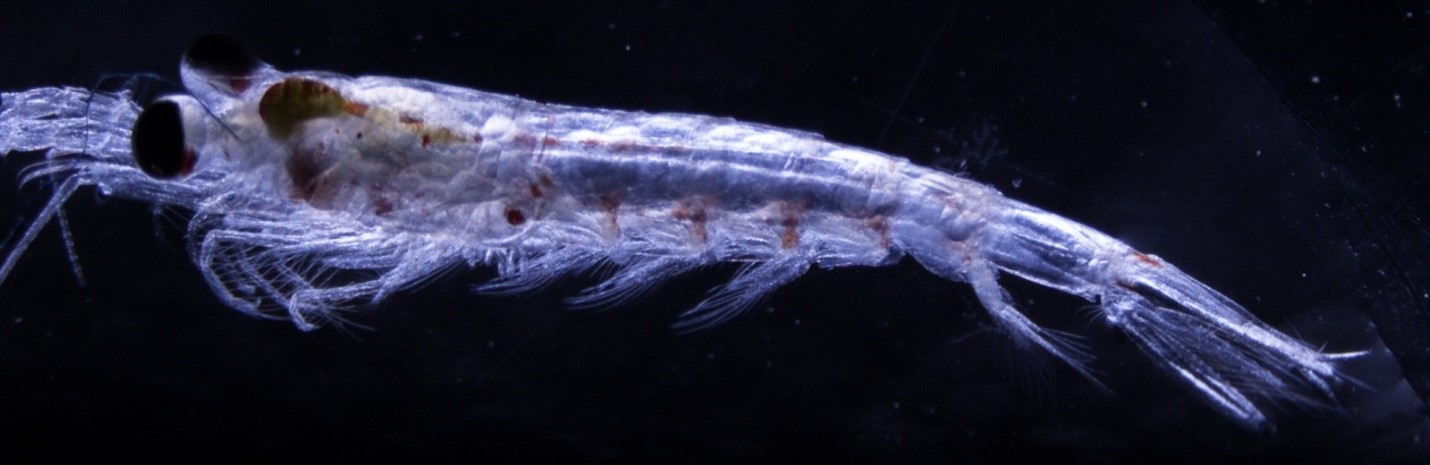
Plankton (krill) seen under a microscope.
Plankton are an extremely diverse group of aquatic organisms. They range in size from microscopic viruses, bacteria, and phytoplankton to much larger crustaceans and jellyfish.
They are defined by their limited ability to swim against currents. The word plankton comes from the Greek word for “drifters.” Many aquatic organisms are planktonic for their whole lives, while others like crabs, bivalves, and fish are planktonic only early in life.
Plankton make the Earth livable, regulate aquatic life, and provide a wide range of functions that benefit humans. That’s a large task for such small drifters. How do plankton have such a large impact on our world?
A scientist in our Maritimes Region, Dr. Catherine Johnson, contributed to a recent article on the value of plankton. Here, she explains some of the ways plankton play a vital role in aquatic and human life.
Plankton make the Earth livable
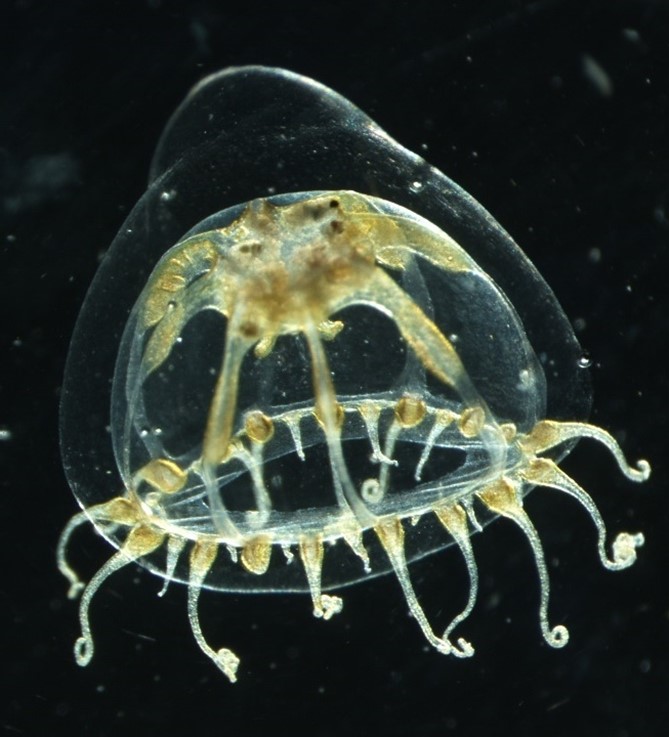
Plankton (Leptomedusa) seen under a microscope.
Phytoplankton use photosynthesis to convert the sun’s energy into chemical energy. They convert carbon dioxide and water into oxygen and energy-rich compounds.
Roughly half of the oxygen production on Earth comes from oceanic phytoplankton. Some of the carbon dioxide taken up by phytoplankton is moved into the deep ocean and sediments. This removes carbon dioxide from the atmosphere for decades to centuries, in a process called “the biological pump.”
“Even though the total weight of phytoplankton is much smaller than the weight of land plants around the world,” explains Johnson, “phytoplankton are as important to global carbon and oxygen cycles as land plants. Without photosynthesis by phytoplankton and the biological pump, atmospheric carbon dioxide could be up to twice as high as its current level. This would have a major effect on the climate.”
But plankton aren’t only important to global biogeochemical cycles. They’re also responsible for transferring energy, organic matter, and essential nutrients through the food web.
Plankton sustain and regulate life in aquatic ecosystems

Plankton (copepod) seen under a microscope.
The organic material produced by photosynthesis fuels aquatic ecosystems. It sustains organisms from tiny microbes to predators at the top of the food web.
Johnson says, “Phytoplankton produce the organic matter that feeds the vast majority of marine organisms. The zooplankton that graze on them are prey for larger animals. In Atlantic Canada, species like herring, mackerel, and endangered North Atlantic right whales feed on planktonic copepods. These are small planktonic crustaceans—and they mainly consume phytoplankton, too.
“Other important species like scallops, haddock, and lobsters also rely on production from phytoplankton - either by directly feeding on phytoplankton, through longer food chains, or from consuming dead organic material that sinks to the bottom.”
Plankton also provide other important ecosystem services. For example, some kinds of plankton can absorb and detoxify pollutants, reducing impacts on the food web. They are natural biofilters and help keep our waters clean.
We can think of plankton as producers, consumers, and recyclers in waters around our world.
Plankton contribute to the economy
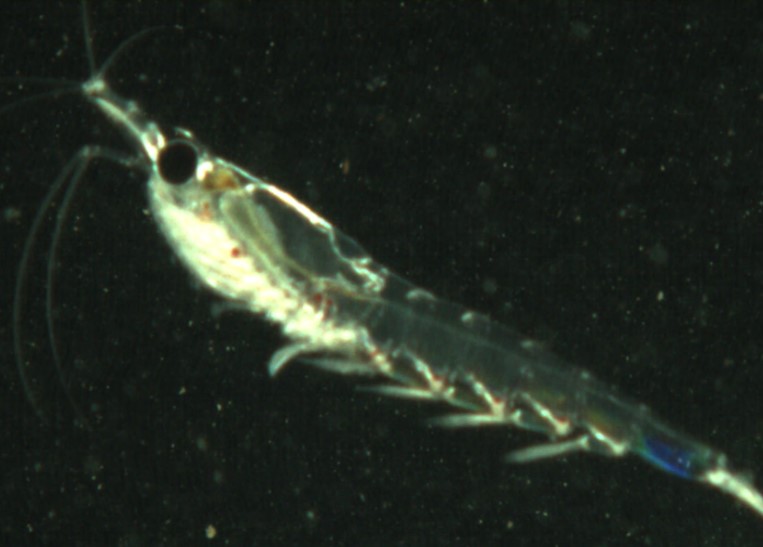
Plankton (krill) image captured using a Video Plankton Recorder.
Plankton have a bigger economic impact than you might think.
As the base of the food web and a regulator of aquatic life, plankton fuel global fish populations. Plankton contribute to the economic benefit of fisheries around the world. They also support coastal communities that rely on fisheries and healthy fish populations.
Plankton also have economic impacts that are less well known.
Have you noticed plankton on a restaurant menu or at your local grocery store? Some plankton, including jellyfish, krill, and copepods, are fished and consumed as food and supplements. Plankton are also used as food and supplements in aquaculture.
Plankton also contribute to medicine, cosmetics, construction, and energy supply. Does your energy supply include oil and natural gas? That energy is being fueled, in part, by plankton that were buried on the sea floor millions of years ago.
Plankton enhance human communities, culture, and well-being
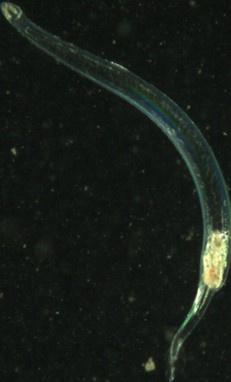
Plankton (Chaetognatha) image captured using a Video Plankton Recorder.
Healthy aquatic ecosystems, and the economic opportunities they support, benefit coastal communities.
Plankton also tell us what’s going on in the water. Plankton blooms (that is, a large, short-lived increase in their population) can impact recreational activities. This includes swimming, surfing, recreational fishing, and underwater exploration.
Plankton blooms create hotspots and draw in marine life. Hotspots can influence where and when fishing or whale watching occur.
Plankton blooms can also influence if people engage in aquatic activities. Plankton are the bright stars of the show at bioluminescent tourist attractions around the world.
The diverse and intricate forms of plankton have inspired paintings, illustrations, sculptures, music, and photography. Plankton might even appear on your television screen if you watch cartoons.
Having a big impact comes with some vulnerability
Since many plankton have short lifecycles and rely on their environment and water movement, they are sensitive to climate-driven environmental changes.
“Changes in the environment can cause changes in plankton communities,” explains Johnson. “For instance, phytoplankton production, the abundance of important species, the makeup of their communities, and their seasonal dynamics are all sensitive to environmental changes.
“The impacts of these changes extend beyond the plankton themselves. There can be changes to broader processes like nutrient cycles, carbon dynamics in the biological pump, and food web dynamics.”
Now you know that plankton are not only ocean drifters, but also ocean drivers, with impacts on aquatic life, global energy cycles, the climate, and our economy and culture.
Page details
- Date modified: