
What we heard report: Wave 3 Fish and Fish Habitat Protection Program
On this page
- Executive summary
- Introduction
- Engagement approach
- Feedback analysis
- Offsetting policy and habitat banking guidelines
- New interim standard and codes of practice
- Framework for aquatic species at risk conservation
- Update on Wave 2 engagement
- Conclusion
Executive summary
The Government of Canada introduced proposed amendments to restore lost protections and incorporate modern safeguards into the Fisheries Act on February 6, 2018. An act to amend the Fisheries Act and other acts in consequence received royal assent on June 21, 2019.
The modernized Fisheries Act gives stronger protections to support the sustainability of Canada’s aquatic resources for future generations. The fish and fish habitat protection provisions, included in the amendments, came into force on August 28, 2019.
The Fish and Fish Habitat Protection Program (FFHPP) of Fisheries and Oceans Canada (DFO) launched multi-wave engagement to reinforce DFO’s commitment to govern with openness, effectiveness and transparency with Indigenous Peoples, partners and other key interested parties on developing products to support implementing these provisions.
DFO is committed to achieving reconciliation with Indigenous Peoples through renewed nation-to-nation, government-to-government, and Inuit-Crown relationships based on the recognition of rights, respect, cooperation and partnership as the foundations for transformative change.
FFHPP multi-wave engagement
FFHPP began a multi-wave engagement process in the fall of 2020 to provide opportunities for Indigenous Peoples, provinces and territories, and other interested parties to participate in the conservation and protection of fish and fish habitat. FFHPP engaged on topics by encouraging interested parties to participate in engagement sessions, send written feedback to DFO and take part in an online questionnaire on the draft Framework for aquatic species at risk conservation.
FFHPP reviewed and considered hundreds of pages of important feedback received during engagement sessions, submitted in written letters and through online activities over the course of the engagement process.
Wave 1 ran from December 2020 to December 2021. FFHPP sought input on:
- modernizing offsetting and fish habitat banking policies
- cumulative effects on fish and fish habitat
- Fisheries Act Registry
- proposed Prescribed Works and Waters Regulations
- interim codes of practice
- draft engagement framework
Wave 2 ran from November 2021 to January 2023. FFHPP sought input on:
- draft Cumulative effects on fish and fish habitat position statement
- Death of fish position statement
- Existing facilities and structures position statement
- proposed Prescribed Works and Waters Regulations
- Ecologically significant areas (ESA) framework
- draft Framework for aquatic species at risk conservation
- Framework to identify fish habitat restoration priorities
Wave 3 engagement ran from March 2023 through March 2024. FFHPP sought input on:
- new interim standard for in-water site isolation
- new interim codes of practice for:
- bridge repair and maintenance
- municipal and agricultural drain maintenance
- repair and maintenance of in-water structures
- repair, maintenance and construction of docks, moorings and boathouses
Wave 3 also continued the conversation on 2 topics from Wave 1, and on 1 topic from Wave 2 as follows.
Engagement from Wave 1 continued on:
- the draft Policy for applying measures to offset harmful impacts to fish and fish habitat
- the draft Guidelines for establishing and managing fish habitat banks
Engagement from Wave 2 continued on:
- developing a draft Framework for aquatic species at risk conservation
Engagement approach
FFHPP facilitated a series of national virtual engagement sessions focused on the engagement topics. To ensure participants’ perspectives and needs were effectively addressed, these engagement activities followed 2 complementary paths:
- engagement with Indigenous Peoples, partners and other interested parties
- complementary engagement exclusively with Indigenous Peoples, communities and organizations
The first path involved broader engagement efforts with interested parties and aimed to create an inclusive platform where various interested parties, including local communities, government agencies, non-governmental organizations and industry representatives, could share their views.
The second path focused on complementary engagement with Indigenous Peoples, communities and organizations. This targeted approach recognized the unique rights, knowledge systems and cultural contexts of Indigenous groups, ensuring that their voices were prioritized and heard in discussions related to their interests.
DFO Regional teams also engaged with Indigenous Peoples, partners and other interested parties to foster meaningful dialogues and collaboration. These engagements were designed to ensure that local perspectives and concerns were heard and integrated into the decision-making processes.
DFO held:
- 4 national virtual multi-interest engagement sessions
- 5 national virtual engagement sessions with Indigenous Peoples
- 10 regional multi-interest engagement sessions
- 17 regional engagement sessions with Indigenous Peoples
Recordings of the presentations, frequently asked questions and draft products were available online throughout the engagement period.
FFHPP will use the feedback received to inform the development of new regulations, policies and guidance to support implementing the fish and fish habitat protection provisions of the Fisheries Act.
Key findings
There were several key themes that appeared across Wave 3 engagement feedback.
Key themes from Indigenous participants
Aboriginal and treaty rights
Feedback from Indigenous Peoples asked for stronger considerations of Aboriginal and treaty rights in the Wave 3 engagement products. They also requested clearer references to the United Nations Declaration on the Rights of Indigenous Peoples (UNDRIP) in relation to the Fisheries Act and free, prior and informed consent.
Engagement on projects in or near water
Participants said project proponents should be engaging early and meaningfully with affected Indigenous communities. Feedback also requested clearer guidance on how to engage with Indigenous communities.
Indigenous Knowledge
Indigenous respondents said it is important to incorporate Indigenous Knowledge when developing policies and guidance. It should also be considered in departmental decision making. Indigenous Knowledge should be valued equally to Western science.
Collaboration
Participants said Indigenous Peoples should be involved when DFO implements the Wave 3 products, such as:
- monitoring sites using codes of practice
- defining habitat bank service areas
- Indigenous-led stewardship initiatives for conserving aquatic species at risk
Key themes from multi-interest holders
Monitoring
Respondents asked for DFO to create monitoring standards for implementing offsetting projects or conservation projects. There should also be more transparency around monitoring plans, data and reports on the effectiveness of standards and codes of practice.
Collaboration
Participants said DFO should coordinate with provincial authorities when authority overlaps, especially with offsetting projects. Many multi-interest participants also encouraged collaborating with Indigenous Peoples.
More guidance and tools
Much of the feedback received in Wave 3 asked for DFO to develop more tools and guidance related to the Wave 3 products. Some examples include:
- monitoring standards for offsetting and conservation projects
- publicly available integrated planning tools
- guidance on how to engage and work with Indigenous communities
- more compliance tools for low-risk projects
Introduction
The Government of Canada introduced proposed amendments to restore lost protections and incorporate modern safeguards to the Fisheries Act on February 6, 2018. An act to amend the Fisheries Act and other acts in consequence received royal assent on June 21, 2019.
The modernized Fisheries Act gives stronger protections to support the sustainability of Canada’s aquatic resources for future generations. The fish and fish habitat protection provisions came into force on August 28, 2019. The modernized Fisheries Act:
- strengthens Indigenous Peoples’ role in project reviews, monitoring and policy development as part of early steps to advance reconciliation
- recognizes principles of sustainability, precaution and ecosystem management can guide decisions
- promotes restoration of degraded habitats
- allows for the better management of all projects impacting fish and fish habitat through new policy and regulatory frameworks, including codes of practice
DFO has committed to working with Indigenous Peoples, partners and other interested parties to develop new regulations, policies and guidance to support implementing the fish and fish habitat protection provisions.
DFO enhances Canada’s whole-of-government approach to engaging with Indigenous partners through cooperation, implementation and accountability between nation-to-nation, government-to-government, and Inuit-Crown relationships. This multi-year engagement reinforces DFO’s commitment to govern with openness, effectiveness and transparency.
In April 2023, FFHPP initiated Wave 3 of the multi-wave engagement process. FFHPP engaged on 8 products:
- draft Policy for applying measures to offset harmful impacts to fish and fish habitat
- draft Guidelines for establishing and managing fish habitat banks
- discussion paper on development of a Framework for aquatic species at risk conservation
- new interim standard for in-water site isolation
- new interim codes of practice for:
- bridge repair and maintenance
- municipal and agricultural drain maintenance
- repair and maintenance of in-water structures
- repair, maintenance and construction of docks, moorings and boathouses
Engagement approach
FFHPP used multiple engagement methods during Wave 3 to enable participants to engage in ways suitable to their needs. These methods included:
- virtual engagement sessions
- opportunities to submit written feedback
- a questionnaire
- digital engagement materials available online
FFHPP’s engagement activities undertook 2 distinct paths:
- engagement with interested Indigenous Peoples, partners and other interested parties
- complementary engagement exclusively with Indigenous Peoples, communities and organizations
The first path involved broader engagement efforts with interested parties. This approach aimed to create an inclusive platform where various interested parties, including local communities, government agencies, non-governmental organizations and industry representatives, could share their views.
The second path focused on complementary engagement with Indigenous Peoples, communities and organizations. This targeted approach recognized the unique rights, knowledge systems and cultural contexts of Indigenous groups, ensuring that their voices were prioritized and heard in discussions related to their interests.
DFO Regional teams also engaged with Indigenous Peoples, partners and other interested parties within their respective regions to foster meaningful dialogues and collaboration. These engagements were designed to ensure that local perspectives and concerns were heard and integrated into the decision-making processes.
Engagement with Indigenous Peoples
Building on the feedback received from Indigenous Peoples is a fundamental step in ensuring that Indigenous voices and perspectives are actively integrated into initiatives. This report summarizes the insights shared by Indigenous participants during Wave 3 engagement.
Several major themes are identified as pivotal to improving relationships between Indigenous Peoples and FFHPP. These themes include:
- the need for stronger recognition of Indigenous rights
- the incorporation of Indigenous Knowledge into ecosystem management practices
- the establishment of clearer communication channels for engagement
By highlighting these themes, this report seeks to drive meaningful dialogue and actions that respect and elevate Indigenous experiences and needs.
DFO aims to build a strong foundation of trust and collaboration with Indigenous Peoples, through actions such as:
- sharing information
- collaborating and enhancing efforts on monitoring
- ensuring transparency
- using integrated planning tools
- incorporating Indigenous Knowledge
- meaningfully engaging and consulting
These steps are critical for building long-lasting relationships, meeting reconciliation objectives, and achieving sustainable and respectful ecosystem management practices.
FFHPP is committed to honouring Treaty rights and strives to achieve free, prior and informed consent (FPIC) when the Program’s actions impact Indigenous Peoples’ rights. By seeking FPIC, FFHPP is dedicated to engaging in meaningful consultations that respect the autonomy and knowledge of Indigenous Peoples. This involves providing relevant information in a clear and accessible manner.
By engaging with Indigenous Peoples early in the project planning and decision-making processes, FFHPP aims to create a collaborative environment where Indigenous voices are not just heard, but play a key role in shaping FFHPP policies and practices. This includes sharing clear information about projects and improving the Program’s processes to ensure that this information is accessible and understandable.
Wave 3 engagement
As seen in Figure 1, Wave 3 engagement followed a set timeline. Engagement began in April 2023 with the release of a video presentation introducing the Wave 3 engagement topics, their scope and subject matter.
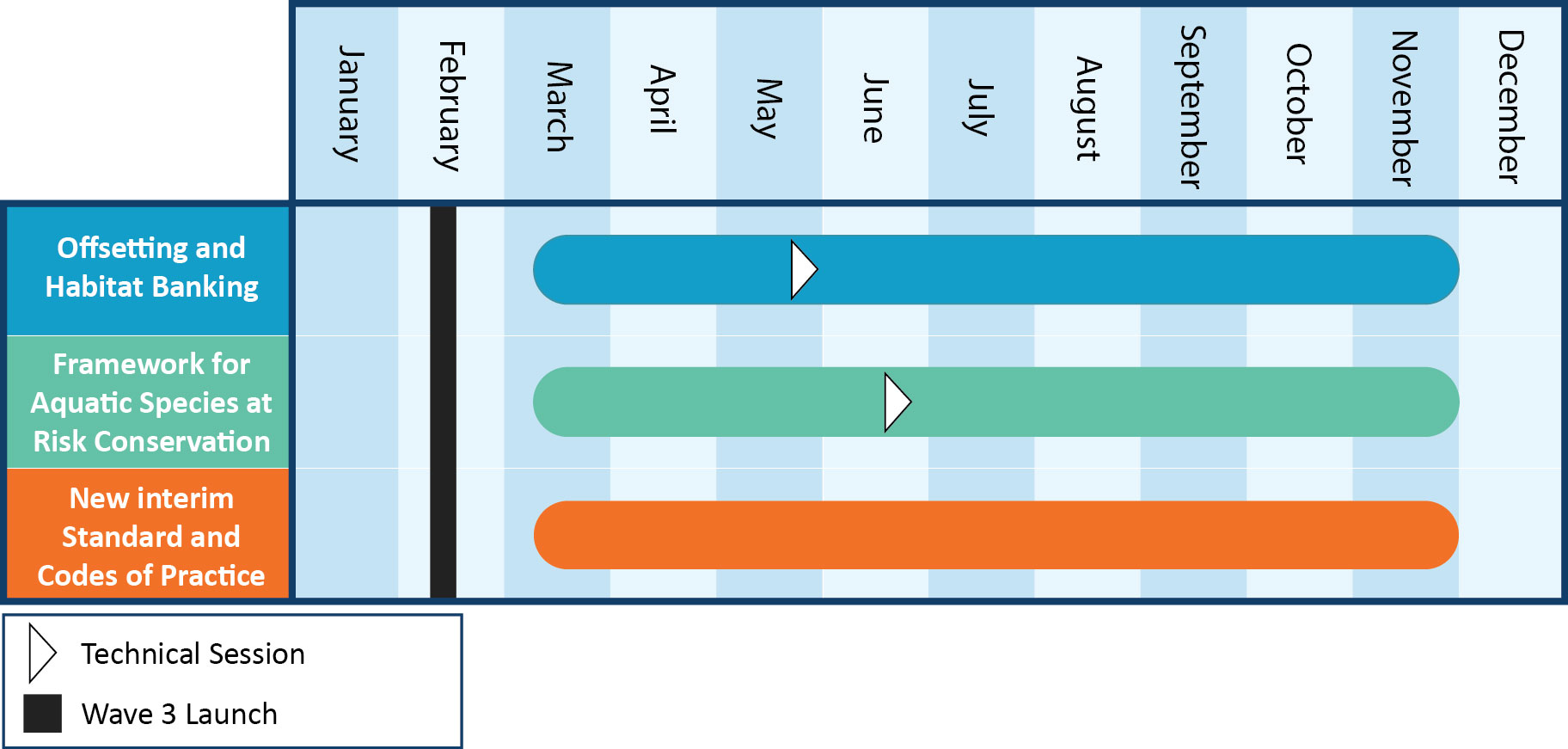
Figure 1. FFHPP Wave 3 engagement timeline
Long description
Timeline for FFHPP Wave 3 engagement. Wave 3 engagement was launched in February 2023. Engagement on the Offsetting Policy and Habitat Banking Guidelines ran from March to November 2023. Engagement sessions were held in May. Engagement on the DFO Species at Risk Program’s Framework for Aquatic Species at Risk Conservation ran from March to November 2023. Engagement sessions were held in June. Engagement on the new interim standard and codes of practice ran from March to November 2023.
Product-specific technical presentations were scheduled in the spring and fall of 2023 to offer a more in-depth look at each product and an opportunity to ask questions and share comments directly with the subject matter experts. By having experts available, participants could gain a deeper understanding of the topics discussed and the implications for their communities and regions. Engagement materials included product-specific discussion papers, fact sheets and presentations available online from May 2023. The questionnaire on developing a Framework for aquatic species at risk conservation was available online from May through November 2023.
Virtual national engagement sessions took place in May and June 2023. Virtual national engagement sessions for Indigenous participants took place in June and November 2023. FFHPP welcomed written submissions throughout the engagement period.
DFO Regions held complementary engagement processes to support participation. Regional sessions with FFHPP regional subject matter experts provided opportunities to discuss the products at a local level.
This report reflects the feedback received and presents considerations about what DFO heard from its partners.
Feedback analysis
FFHPP compiled and organized feedback received through online engagement and written submissions by engagement topic. Analysis included:
- identifying general themes and key messages
- exploring conflicting viewpoints and comments
Feedback analysis was relative to each product’s engagement scope. Comments outside the scope of Wave 3 engagement activities cannot necessarily apply to the next phases of product development. However, these comments may influence future FFHPP policy and program development.
Feedback from Indigenous Peoples was analyzed separately from feedback received from other sources. This analysis approach is a crucial strategy employed by FFHPP to ensure that Indigenous rights, interests and perspectives are given appropriate consideration. This separation of feedback is not merely a procedural formality, it is a fundamental commitment to recognizing the unique relationship Indigenous Peoples have with fish and fish habitats.
Who we heard from
805 participants from across Canada took part in Wave 3 national engagement. FFHPP held virtual engagement sessions with:
- Indigenous Peoples
- provinces and territoriesFootnote 1
- industry associations
- environmental non-governmental organizations
- other interested parties
Virtual national engagement session participation was high. Many attendees actively took part during question-and-answer periods to share their insights. Participants joined these sessions from all Canadian provinces and territories.
Disclaimer
This report is a summary of key messages heard through written submissions, online participation and discussions held at virtual and in-person engagement sessions in May through November 2023. The summary is of all feedback received during the engagement process and may not reflect individual feedback.
This report does not disclose personal information. All information collected stays anonymous outside of FFHPP use and those giving input. The high-level summaries presented in this report do not fully capture the richness of input received. However, all input was reviewed and considered.
Offsetting policy and Habitat banking guidelines
Background
FFHPP started the conversation on modernizing the offsetting policy and interim habitat banking policy in Wave 1. Wave 1 engagement sought feedback on the principles and approaches in the policies. It also engaged on how to encourage reconciliation with Indigenous Peoples.
The Program developed 2 documents based on feedback gathered in Wave 1:
- draft Policy for applying measures to offset harmful impacts to fish and fish habitat (“Offsetting Policy”)
- draft Guidelines for establishing and managing fish habitat banks (“Banking Guidelines”)
The Offsetting Policy provides guidance on how to apply measures to offset the harmful impacts to fish and fish habitat caused by projects in or near water. The Banking Guidelines provide guidance on establishing and operating fish habitat banks.
Wave 3 engagement sought feedback on the:
- scope
- key concepts
- proposed approach described in these documents
Feedback from Indigenous participants
Common themes from Indigenous participant feedback are discussed below. They do not fully capture the richness of input received. However, all input was reviewed and considered.
Wave 3 feedback from Indigenous engagement participants on the draft Offsetting Policy and Banking Guidelines highlighted a desire for stronger consideration of impacts to Aboriginal and treaty rights, and Indigenous perspectives. Participants also said affected Indigenous communities should be more involved with planning, implementing and monitoring offsetting projects.
Overarching feedback
Aboriginal and treaty rights
Indigenous participants said they would like stronger consideration of impacts on Aboriginal and treaty rights. They said there should be specific references to the United Nations Declaration on the Rights of Indigenous Peoples (UNDRIP). There should also be more detail on the principle of free, prior and informed consent.
Participants also said Indigenous Peoples should have more involvement in, and influence over, the decision process.
Engagement, consultation and accommodation
Indigenous participants said DFO should require proponents to engage Indigenous communities, rather than just encourage them to do so. DFO should provide guidance on how to engage with Indigenous communities.
Feedback stated proponents must understand that they need to collaborate with Indigenous communities throughout the process in a transparent way. DFO should confirm with Indigenous communities that proponents engaged sufficiently instead of relying on self-reporting.
Feedback also indicated the Offsetting Policy and Banking Guidelines need to include more direction on accommodation. Modern treaties will often contain provisions that go beyond the duty to consult and accommodate, and proponents need to be aware of their obligations under those treaties.
Monitoring
Indigenous communities should be involved in monitoring projects, and developing and monitoring offsetting measures. The policy should have clear criteria defining the minimum monitoring requirements for each project and incentivize offset projects that are truly self-sustaining. Monitoring should continue until an offset achieves natural function or permanently if the project cannot achieve it. Indigenous participants also said that objective third parties should verify monitoring results.
Cultural considerations
The cultural value of aquatic habitats in Indigenous communities is important but overlooked when considering new projects.
Indigenous Knowledge
Indigenous Knowledge should be as important as Western science when determining which habitats are rare, important or exceptional.
When communities share Indigenous Knowledge with proponents, proponents should follow up with the communities on how their input affected the final outcome. Proponents should also respect areas important to Indigenous Peoples that are not fish habitat, such as archaeological sites, and avoid them where possible.
Policy for applying measures to offset harmful impacts to fish and fish habitat
Collaboration with Indigenous Peoples
Participants said Indigenous communities need to be involved in the selection and design of offsetting measures and where they are located. Offsetting measures should reflect their priorities. Proponents need to consider local and regional contexts as well. For example, the project might impact habitat that is not rare in a broad sense, but is rare to the local area.
Offsetting measures need to consider Indigenous seasonal calendars and adjust timing windows accordingly. For example, salmon use streams differently depending on where they are in their life cycle. Incorrect timing can render offsetting measures ineffective.
Indigenous respondents said offsetting may not work for every impact. They proposed that DFO should consult Indigenous Peoples and conservation practitioners to create a list of where not to authorize projects.
Policy efficacy
Indigenous participants said Principle 3, “Offsetting measures must counterbalance the harmful impacts”, should lean more toward "leave it better than how you found it".
They recommended developing guidance on how much offsetting is needed to be successful. They also said there should be a required minimum to compensate for uncertainty. Proponents should start offsetting measures before breaking ground on the project to reduce lag.
Participants said proponents need to understand the impacts of offsetting measures so that the offsetting measures do not do more harm than good. Proponents need to show evidence of effectiveness. Proponents must also be responsible for managing any unintended negative impacts caused by an offsetting project.
Indigenous participants expressed concerns about the use of stocking and translocation as an offsetting measure. They said these methods are often ineffective or cause other ecological impacts.
Requirements for offsetting plans should be clear without room for interpretation. Offsetting plans should be complete before an authorization is issued. DFO should not issue authorizations based on provisional or draft offsetting plans.
Climate change
There should be an explicit statement on incorporating climate change into the offset design to ensure resiliency in the face of increasingly extreme environmental conditions. DFO should not approve infrastructure that could fail.
Guidelines for establishing and managing fish habitat banks
Collaboration with Indigenous Peoples
Indigenous communities should be involved in the negotiation of habitat banking arrangements, including co-defining the service areas. As one respondent stated, “First Nations should have equitable opportunities to participate in the establishment, management, and operation of fish habitat banks; in decision-making processes, governance structures, and benefit-sharing arrangements... such as capacity building, employment opportunities and revenue sharing.”
Indigenous participants would also like to be more involved in planning conservation projects and establishing the system for managing and using credits. Proponents should provide capacity funding for this.
Indigenous Knowledge
Indigenous respondents said it is important to incorporate Indigenous Knowledge into the planning, implementation and monitoring of fish habitat banks. Traditional Knowledge systems should inform the selection of indicators and targets for the monitoring of the success of habitat bank conservation projects, and Indigenous communities should be involved in verifying that an offsetting project meets its targets.
Feedback from multi-interest participants
Wave 3 feedback from provinces and territories, environmental non-government organizations (ENGOs), industry and other interested parties on the draft Offsetting Policy and Banking Guidelines was supportive of the proposed principles, types of offsetting and steps for making an offsetting plan. Most comments asked for more detail and guidance on implementation.
Overarching feedback
Types of offsetting measures
Proponents said that DFO needs to be more specific and consistent about what kinds of measures are acceptable. They also said DFO should be more willing to accept innovative proposals that can benefit fish and fish habitat.
Measuring an offset’s value
Participants said it would be helpful if DFO had a scale for measuring an offset’s value. They said it would also be helpful when calculating equivalencies between impact and offset. As one industry organization put it: “DFO has offered no real insight into how impacts and benefits should be calculated. The requirement to develop and implement offsetting measures should be deferred until DFO has developed comprehensive guidance on quantification of harmful impacts and benefits.”
Adaptive management
Some ENGOs suggested proponents should be responsible for ongoing adaptive management and stewardship of their offsetting projects or conservation projects, permanently if they cannot achieve natural function. Proponents should be able to hire willing Indigenous rightsholders, land trusts or conservation organizations to take on this responsibility.
Monitoring
Participants asked for DFO to create monitoring standards for implementing offsetting or conservation projects. Examples provided included:
- performance metrics
- reporting frequency
- data standards
Collaboration with provinces and territories
Provincial governments said they would like DFO to consult them on offsetting or conservation projects since they can affect matters under their authority (for example, water management and terrestrial land management). They said the Offsetting Policy should allow for coordinating and substituting offsetting measures with provincial authorities where authority overlaps.
Policy for applying measures to offset harmful impacts to fish and fish habitat
Avoidance and mitigation measures
Participants said there needs to be more guidance on avoidance and mitigation measures. ENGOs said that avoidance and mitigation measures in practice tend to receive less attention than offsetting. Proponents should have to prove they have tried to use these measures as much as they could.
Irreplaceable habitat
Respondents said there should be specific criteria and examples to show when habitat is irreplaceable. ENGOs said they would like to see a list of areas where DFO would automatically reject projects.
Offsetting requirements
Industry groups opposed the condition that offsetting measures should have “net benefits” or “net gain” beyond a reasonable buffer to account for time lags and uncertainty.
ENGOs said reversing declines in habitat requires actions beyond achieving “no net loss.”
Both industry and ENGOs said they would like to see quantitative minimum multipliers that clearly state how much offsetting a project needs.
Offset location
Respondents requested more guidance on where offsetting projects should happen. Some said there needs to be more engagement of other resource users, resource managers, non-Indigenous rightsholders and other interested parties.
Maintaining offsetting projects
Proponents were concerned offsets may not always be able to be self-sustaining, and do not need to be self-sustaining if the impacts are temporary. ENGOs said proponents should be responsible for the long-term maintenance of offsetting projects.
Offsetting measures
Industry said they would like more flexibility when choosing offsetting measures, with a focus on outcomes and how they benefit fish. They said offsetting should also include opportunities to make improvements to riparian or upland habitat that will improve water quality.
Some respondents were concerned about the types of measures to offset. Participants said measures like habitat construction, stocking and translocation, and chemical or biological manipulation are not always successful.
Averted loss is a type of offset that protects existing habitat which otherwise would disappear in the future by setting up a conservation easement or some other form of permanent legal protection. Most respondents did not accept averted loss as an offsetting measure, particularly ENGOs. Participants said the conditions for averted loss need to be clearer if proponents are going to use it.
Industry groups said they would like to see more use of complementary measures such as stocking and translocation, and chemical or biological manipulation. They also said there needs to be more clarity on what kinds of complementary measures are acceptable. They said DFO should allow for more than 10% of the offsetting costs for research to test offsetting techniques or to determine the reason for the decline of fish species.
Existing facilities
Industry groups, particularly the hydroelectric industry, said they would like more clarity on how the policy applies to existing facilities.
Guidelines for establishing and managing fish habitat banks
Third-party banking
Many participants said they would like to see DFO introduce a way for groups to sell or transfer credits from habitat banking projects to proponents, also known as third-party banking. DFO is unable to consider third-party banking currently due to restrictions in the Fisheries Act.
Certainty
Industry representatives said that habitat banking needs the same level of utility and certainty as project-specific offsetting to be attractive to proponents. As one respondent put it, “Agreements are complex to establish and maintain... and the use of credits are not guaranteed. An authorization with an approved offset provides certainty.”
Proponents were also concerned about losing their habitat credits if arrangements end or are not renewed.
Defining service areas
Participants said they need more guidance on defining service areas. Proponents, particularly those in the transportation sector, would like flexibility in defining service areas. They said overly restrictive limits on service areas will limit how useful banks can be.
Habitat credits
Participants said there should be more guidance on establishing a habitat credit’s value, and to make sure it reflects the habitat’s ecological and culture value.
Participants would also like more clarity on the process for evaluating and certifying credits. There should be clear criteria for earning credits based on monitoring a habitat bank’s effectiveness.
Some suggested having third-party oversight to confirm habitat banks meet the performance goals before certifying credits. DFO should also provide the criteria for accepting habitat credits for a proposed project requiring offsetting.
Industry groups were concerned about how long it takes to certify credits and make them available for use. Feedback stated long timelines discourage using banks over project-specific offsetting.
They also recommended that credits should become available when milestones are met, and credits should be allocated based on what a banking project accomplishes rather than taking an all-or-nothing approach if it does not meet its targets.
Feedback consideration
FFHPP is still developing the draft Offsetting Policy and Banking Guidelines. Subject matter experts will review feedback to work out how to address comments in a way that is practical and effectively protects fish and fish habitat as well as Aboriginal and treaty rights.
Comments outside the scope of engagement
Some feedback received addressed systematic changes that are beyond the scope of the Offsetting Policy and the Banking Guidelines alone. For example:
- guidance to proponents on how to engage with Indigenous communities should cover the entire application process, not just the development of an offsetting plan
- addressing the impacts of climate change on fish and fish habitat
- monitoring standards should also apply to the project as well as the offsetting measures
- offsetting measures should fit in with local and regional priorities
These higher level comments about systematic changes have been referred to the appropriate leads within the program for further consideration.
Next steps
Participants asked for more detailed operational guidance on various aspects of offsetting, for example, calculating the amount of offsetting measures needed for a particular impact. DFO is looking to develop separate operational guidance documents that would be more appropriate for providing the level of detail needed to address these comments.
DFO will publish the finalized Offsetting Policy and the Banking Guidelines over the coming months on the Projects near water website.
New interim standard and codes of practice
Background
Standards and codes of practice (SCoPs) are part of a suite of tools used by FFHPP to manage risks to fish and fish habitat.
Codes of practice intend to:
- conserve and protect fish and fish habitat by avoiding death of fish and the harmful alteration, disruption or destruction of fish habitat through the application of recognized avoidance and mitigation measures
- give clear, nationally consistent advice for the design and implementation of common, low-risk works, undertakings or activities
- ensure transparency about how to comply with the Fisheries Act and the Species at Risk Act
- standardize the regulatory review process for low-risk works, undertakings or activities where risks and associated avoidance and mitigation measures are well understood
Standards outline how to design and implement a specific mitigation measure to achieve its goal.
Communicating relevant, reliable risk management measures and best practices upfront allows FFHPP to put more focus on monitoring, compliance and the regulatory review of higher-risk projects.
In Wave 3, FFHPP engaged on 1 interim standard for in-water site isolation intended to address Wave 1 feedback, as well as 4 proposed new interim codes of practice:
- bridge repair and maintenance
- municipal and agricultural drain maintenance
- repair and maintenance of in-water structures
- repair, maintenance and construction of docks, moorings and boathouses
FFHPP sought input on the clarity and scope of the new interim SCoPs to validate and improve the risk management measures used to protect fish and fish habitat.
Feedback from Indigenous participants
Wave 3 feedback from Indigenous engagement participants on the new interim standard and codes of practice highlighted a need for proponents to engage proactively with Indigenous Peoples and take their considerations into account when planning a project using SCoPs. Feedback also expressed a need for more monitoring and transparency on results.
Common themes from Indigenous participant feedback are discussed below. They do not fully capture the richness of input received. However, all input was reviewed and considered.
Notification
Indigenous participants expressed a desire for the mandatory notification of Indigenous communities potentially affected by projects using SCoPs. It was suggested that DFO and proponents could do this through the public registry or other administrative tools, agreements or processes.
Participants also recommended that all projects associated with codes of practice be publicly accessible on the Fisheries Act Registry, or some other form of public registry.
Monitoring and enforcement
Participants said there needs to be more monitoring and enforcement of projects that do not require a request for review, including regularly scheduled public reporting on what, where and how many projects proceed under codes of practice each year.
Participants were concerned that proponents would not notify DFO or follow codes of practice without significant consequences for non-compliance.
Indigenous participants also said that DFO and project proponents should collaborate with Indigenous communities to monitor projects within Treaty and traditional territories.
Transparency
There should be more transparency around monitoring plans, data and reports regarding the effectiveness of the mitigation measures. More information regarding DFO’s protocols and ability to monitor and enforce codes of practice should also be available.
Planning tools
Participants said there is a need for publicly available integrated planning tools (for example, maps, reports). These tools would enable monitoring for impacts. For example, concern over how multiple projects on a waterway may have cumulative impacts.
Indigenous Knowledge
Participants want to see mechanisms for considering local Indigenous Knowledge when developing SCoPs and associated monitoring initiatives, with more inclusion of Indigenous and Traditional Knowledge alongside Western science.
Indigenous engagement and consultation
There should be guidance for proponents on how to meaningfully engage with Indigenous communities potentially affected by low-risk projects. Participants also said the language around engaging with Indigenous Peoples should align with UNDRIP and the principle of free, prior and informed consent.
Some participants also said there should be consultation requirements when proponents use SCoPs on modern Treaty lands where Indigenous governments have their laws, requirements and planning processes.
Qualified environmental professional (QEP)
It should be clear that a QEP should be employed when using SCoPs. There should also be increased accountability for people filling that role, for example, through certification or professional registration, reporting mechanisms or audits.
The SCoPs should have a clearer definition of the QEP’s role as well.
Feedback from multi-interest participants
Wave 3 feedback from provinces and territories, environmental groups, industry and other interested parties on the new interim standard and codes of practice asked for more guidance on how to use codes of practice, including how to engage with potentially affected Indigenous communities and the role of qualified environmental professionals.
Common themes from feedback from multi-interest participants are described below.
Compliance tool
Feedback from industry participants requested that DFO publish more compliance guidance like the SCoPs, with emphasis on compliance with regulations for low-risk projects.
Indigenous consultation and engagement
There should be guidance for proponents on how to meaningfully engage with Indigenous communities potentially affected by low-risk projects. Participants also said the language around engaging with Indigenous Peoples should align with UNDRIP and the principle of free, prior and informed consent.
Qualified environmental professional (QEP)
Participants said a QEP should be consulted when using SCoPs. There should also be more accountability for people filling that role, such as certification, professional registration, reporting mechanisms or audits. The SCoPs should more clearly define the QEP’s role as well.
Risk tolerance
Some comments said the level of risk tolerance in the codes of practice is too high, and that DFO is willing to take on too much risk. An example of this is the inclusion of activities such as pile driving in codes of practice. On the other hand, feedback from industry and other provincial governments suggested risk tolerance was too low, and that DFO is not willing to take on enough risk. For example, industry suggested using more flexible “least risk” timing windows.
Training
Participants from other federal, provincial and territorial governments requested training on how to use SCoPs.
Species at risk
Participants asked for more extensive guidance on additional mitigation measures when aquatic species at risk are present at a proposed project site.
Feedback consideration
All feedback about the interim standard and codes of practice from Wave 3 was reviewed and categorized by theme, and subject matter experts determined whether changes to the documents were possible. Factors considered included national applicability, risk tolerance for SCoPs, document scope and clarity.
Comments outside the scope of engagement
Some comments not originally in scope will influence updates to the interim SCoPs. Other comments will need broader program discussion. For example:
- comments on how FFHPP and proponents can work with Indigenous communities
- recommendations for additional tools and guidance
Next steps
Next steps for the standard and codes of practice include:
- updating the standard and each code of practice as needed based on feedback received and advice from the subject matter experts, subject to management approval
- FFHPP posting a notification in Canada Gazette, Part I once approved, and publishing the finalized versions on the Projects near water website.
Framework for aquatic species at risk conservation
Background
DFO Species at Risk Program (SARP) sought to involve Indigenous Peoples, provinces and territories, partners and other interested parties in developing a Framework for aquatic species at risk conservation: a multi-species approach (the Framework). DFO is developing the Framework to help improve conservation outcomes for aquatic species at risk.
This Framework will serve as a guide for DFO to advance the conservation and recovery of aquatic species at risk across Canada. SARP will finalize the Framework in the spring of 2025.
SARP’s Wave 3 engagement focused on a discussion paper based on feedback from Wave 2 engagement. This paper brought together the insights on key concepts related to the use of multi-species approaches to deliver on the Species at Risk Act (SARA).
In general, DFO sought feedback on 4 main themes related to sections within the discussion paper:
- Proposed guiding principles for the development of multi-species approaches
- The proposed guiding principles provide a foundation for the way multi-species approaches are developed and implemented to support DFO’s delivery of SARA.
- Proposed criteria for using multi-species approaches
- The proposed criteria help determine when to use a single-species approach or a multi-species approach.
- Proposed considerations for identifying opportunities for multi-species approaches
- These are factors to consider in developing multi-species approaches, presented as 3 broad categories of factors to consider (that is, socioeconomic, ecological and feasibility factors).
- Proposed steps to implementing a multi-species approach
- These are an overview of the general steps in developing and implementing a multi-species approach.
Feedback from Indigenous participants
Over 30 different Indigenous Nations, governments and organizations provided insight, ideas, questions and comments to help shape the development of the Framework. Of the over 500 comments DFO received during the engagement sessions and through email submissions and feedback forms, over half came from Indigenous groups.
Common themes from Indigenous participant feedback are discussed below. They do not fully capture the richness of input received. However, all input was reviewed and considered.
Proposed guiding principles for the development of multi-species approaches
Indigenous Knowledge
During engagement, participants recommended clarifying or modifying the proposed principles to better reflect Indigenous ways of knowing.
Although there was support for the reference to Indigenous Knowledge in the principle related to evidence-based decision making, there were issues with the wording. Many Indigenous participants said that the existing wording (“meaningfully considering Indigenous Knowledge”) did not place enough importance on Indigenous Knowledge as integral to decision making, particularly where aquatic species at risk occurred on rightsholders’ lands. Participants said DFO should approach knowledge sharing with sensitivity and nuance, and prioritize Indigenous communities’ authority over their data.
Precautionary principle
Other participants mentioned support for the use of the precautionary principle in evidence-based decision making. Feedback emphasized that action is needed where science and Indigenous Knowledge showed declines in aquatic species at risk.
United Nations Declaration on the Rights of Indigenous Peoples
Participants signaled that, while they were happy to see reference to the United Nations Declaration on the Rights of Indigenous Peoples within the guiding principles, this section needs to be updated with specific references to Canada’s United Nations Declaration on the Rights of Indigenous Peoples Action Plan.
Collaboration
The proposed principles mentioned the need to involve Indigenous Peoples in decision making early and often, and to integrate Indigenous perspectives. Participants said rightsholders should be involved in decision making on what approach is used on their land. A related concern was that the value of a species to Indigenous Peoples might be less clearly understood if grouped with other species in a multi-species approach.
Culturally significant species
Many participants said there is a need to recognize the cultural importance of species in terms of food security, and social and spiritual significance for Indigenous Peoples. Participants said they wanted to see this concept clearly expressed in the guiding principles.
Proposed criteria for using multi-species approaches
Collaboration
Indigenous participants stated that, in determining whether to use a multi-species approach, Indigenous rightsholders and knowledge holders should be involved as a first step in making this determination.
Culturally significant species
Participants also mentioned that in cases where culturally significant species benefit from a multi-species approach, or where a multi-species approach would allow for sustenance gathering, these would be significant reasons to undertake one. In other cases, a single-species approach might be necessary for recovery of a species.
Benefits for aquatic species not listed under SARA
Participants indicated that they would like to see multi-species approaches used in a way that benefitted SARA-listed aquatic species at risk as well as other aquatic species that are experiencing population decline. The ability to be proactive and prevent further decline for keystone species, culturally significant species and other species that were not listed resonated with many Indigenous participants.
Proposed considerations for identifying opportunities for multi-species approaches
Cultural considerations
In terms of factors to consider, Indigenous participants wanted to see cultural considerations specified as clear benefits to consider alongside conservation benefits in the Framework. Participants also suggested that DFO should prioritize achieving conservation benefits and cultural benefits over other factors. Others wanted clarification on how socioeconomic considerations would be balanced with conservation objectives, recognizing the long-term impacts of this balance on conservation.
Links between species
Participants raised the importance of using multi-species approaches as tools to consider connections between species. One example was how Chinook salmon is a favorite food for killer whales.
Feedback also highlighted how impacts on land affect aquatic conservation. Many participants said the environment on land needed to be considered as well. One participant mentioned the work on priority places Environment and Climate Change Canada is leading under their Pan Canadian Approach for Transforming Species at Risk Conservation in Canada as an example of multi-species approaches that include consideration of both terrestrial and aquatic species.
Proposed steps to implementing a multi-species approach
Information sharing
Participants also said that the results of multi-species projects need to be more accessible. They identified a need for transparency in implementation and reporting.
Cultural indicators
Participants suggested cultural indicators as well as ecological ones to reflect how multi-species approaches perform from both scientific and traditional standpoints.
Collaboration
Participants said there needs to be more Indigenous involvement at each step of implementation. This should be an expansion of what DFO drafted in the proposed implementation steps. As one participant said, “There should be engagement of Indigenous representatives at every step of implementation.”
As multi-species approaches could involve species distributed within Indigenous jurisdiction or traditional territories, participants recommended that co-management and/or Indigenous-led stewardship initiatives should be explored as a first-line approach to implementing the Framework.
Participants said DFO could provide training to help increase the capacity of communities to conduct recovery activities and monitoring. Participants added that ideally positions would have sustained funding for communities.
Feedback from multi-interest participants
Provinces and territories, industry, environmental non-governmental organizations, academia and other interested parties gave feedback on the 4 main themes.
Proposed guiding principles for the development of multi-species approaches
Clarifying wording
Participants found some of the guiding principles needed clarification through better wording. For example, participants highlighted ”conservation” as a word needing definition. There were suggestions to use the term “ecosystem conservation” or “ecosystem” in the guiding principles. This had the goal of adopting multi-species approaches as a move toward ecosystem approaches that considered the connection between environments on land and in water.
Forming partnerships in conservation
The guiding principle of “form strong partnerships in conservation” was well supported. Participants had a strong interest in continuing collaboration. For example, industry participants noted that harvesters should be included in these partnerships as they spend their time directly on the water and are committed to a sustainable future in fisheries.
Provinces and territories provided examples of how they use multi-species approaches with the idea that lessons learned could be shared with partners.
Many multi-interest participants also echoed the importance of collaboration with Indigenous Peoples.
A follow-up on the “strong partnerships” principle was a caution for the department to think through its methods of implementation. Collaboration would be essential to making these approaches viable.
Competing interests
A few recommendations involved clearly addressing the tensions between competing interests between conservation and socioeconomic objectives up front in the guiding principles section. However, participants noted that these same tensions existed for single-species approaches as well.
Adaptive management
With respect to the guiding principle “implement adaptive management”, participants supported the idea, if implemented correctly. They emphasized that the evaluation of the effectiveness of multi-species approaches was essential. Several participants suggested that adaptive management was more a conservation tool than a guiding principle. A follow-up suggestion was to rework the principle to emphasize the need for monitoring and evaluation in using multi-species approaches. Other participants expressed support for including adaptive management as a guiding principle, noting that it might help in developing a Framework flexible enough to consider complex realities such as climate change.
Proposed criteria for using multi-species approaches
Clarifying wording
Feedback on the proposed criteria included requests to define the use of words and phrases such as “feasible” and “no compelling reason not to”. Left undefined, these words were open to interpretation. In addition, participants cautioned that using a categorization of “not feasible” could allow practitioners to avoid solving complex problems by simply invoking the term.
Impacts of activities on land
Participants mentioned the need to understand the impacts of terrestrial activities and ecosystems on aquatic ecosystems using multi-species approaches. Participants said that in some situations it might be beneficial to include both terrestrial and aquatic species in the same approach. Alongside this comment, participants suggested that DFO consider prioritizing multi-species approaches that focus on migratory species, given the possible impact on multiple ecosystems.
Evidence-based decision making
In determining when to use a multi-species approach, participants raised the point that decision making should be evidence based. Some participants suggested that multi-species approaches should be used only where there is a reasonable expectation that this type of approach would provide measurable progress toward recovery for each species. To facilitate this determination, participants suggested that the department include recommendations for species that could benefit from multi-species approaches in listing decisions and recovery plans.
Impact on funding
A concern that emerged clearly from several written submissions and engagement sessions was that the focus on multi-species approaches could monopolize funding programs and that occasions in which single-species approaches were necessary would be avoided due to lack of visibility and funding.
Proposed considerations for identifying opportunities for multi-species approaches
Socio-economic factors
Participants asked questions on how DFO would consider socio-economic factors. One example was land development intended to serve a community need that could directly impact species at risk. Participants hoped that the Framework could address this type of tension.
Impact on streamlining the regulatory review process
Participants were concerned that the Framework could hinder the efforts of the department to streamline regulatory requirements for industry.
Timelines
Other concerns related to the potential complexity of multi-species approaches and how this complexity would align with listing timelines and existing delays.
Data
Many engagement participants highlighted need for collaborative data sharing to make adequately informed decisions on multi-species approaches. They noted that DFO’s role in responding to this need could include open access to monitoring tools on environmental conditions. Participants also mentioned that multi-species approaches could be helpful in providing a forum to tackle complex issues such as conserving species with competing needs.
Benefits for aquatic species not listed under SARA
Some participants in the multi-interest sessions said that while SARA-listed species should take priority in the development of multi-species approaches, DFO should also consider prioritizing projects that include:
- species assessed by the Committee on the Status of Endangered Wildlife in Canada (COSEWIC) as endangered, threatened or special concern
- keystone, umbrella and culturally-significant species
- species that interact directly with SARA-listed species
“There should be space for consideration of species beyond what has been assessed by COSEWIC or listed under SARA. […] There are many species that haven't experienced steep declines and are not at imminent risk of extinction, yet, but are clearly vulnerable to threats such as climate change and action that supports listed/assessed species could support those species as well.” – Participant in engagement session
Proposed steps to implementing a multi-species approach
Accountability
Discussion on the implementation steps led to questions about accountability within multi-species approaches and how this would be addressed when there were several layers of authority involved. In addition, some participants wondered whether guidance on conflict resolution would be needed during implementation where the interests of affected parties differed.
Engagement participants suggested that clarification on roles and responsibilities could facilitate these approaches. There was also support for the idea that use of collaborative multi-species approaches could provide forums to address issues of jurisdiction and work toward common goals.
Prioritization
One written submission raised the idea of prioritizing species for inclusion in multi-species approaches and for conservation actions in general, given limited resources. One way to do this would be to evaluate the conservation status of species, for example, by referencing the International Union for Conservation of Nature’s global conservation statuses for species.
SMART objectives
For the “define objectives” step of implementation, participants noted that the objectives articulated for multi-species approaches should be SMART (specific, measurable, achievable, realistic, time-sensitive).
Redesigning graphics
Other feedback consisted of a suggestion to redesign the implementation steps graphic itself, so that it was cyclical and better represented the process of adaptive management.
Project scale
A common thread in feedback was that it would be useful to implement smaller-scale pilot projects before implementing broader approaches.
Feedback consideration
Insights received from DFO’s engagement in Wave 3 are directly shaping the development of the Framework for aquatic species at risk conservation. At this stage, all feedback has been reviewed and is being considered in drafting the final product.
Feedback outside the engagement scope
Some feedback received, though valuable, is outside the scope of the Framework for aquatic species at risk conservation. For example, DFO received comments that cannot be addressed through use of multi-species approaches. Examples include suggestions related to:
- forestry policy
- management of fishing quotas
- concerns with poaching
- recreational fishing tourism
- aquaculture
Some participants shared personal stories about how threats to aquatic species and habitats have negatively impacted their lives and communities. While this report does not include these stories, SARP thanks these participants for bringing these experiences to the attention of those involved in developing the Framework.
Although out-of-scope feedback cannot apply to developing the final Framework for aquatic species at risk conservation, DFO recognizes and appreciates the thought and effort everyone put into developing these ideas and submissions. Where possible, SARP has attempted to share these comments with other DFO sectors for their information and consideration.
Next steps
With Wave 3 of engagement complete, DFO is incorporating feedback to develop the final product. The finalized Framework will be published in early 2025.
Update on Wave 2 engagement
Position statement for the consideration of cumulative effects on fish and fish habitat in support of decision making under the Fisheries Act
FFHPP has needed more time to complete this document given the substantial input received. The finalized position statement will be published on the Projects near water website in the coming months.
Ecologically significant areas
DFO also received important feedback on ecologically significant areas (ESAs) which contributed several improvements to the Framework for identifying, establishing and managing ecologically significant areas (the Framework). The finalized Framework was published in April 2023.
Indigenous feedback helped:
- clarify the intent of ESAs in the Framework and strengthened its description
- refine the Framework’s concepts and language
- specify engagement principles
- clarify the role of ESAs in Canada’s conservation toolbox
Input from Indigenous participants also initiated conversations related to co-governance, which are still being thoughtfully considered.
While the Program made every effort to consider all the comments received on ESAs, the Framework’s general scope did not allow us to include many of the more-detailed or regionally-focused comments. FFHPP welcomes more comments as further engagement and exploration of ESAs continues at the national and regional levels.
Conclusion
FFHPP is grateful for the time and effort that Indigenous Peoples, partners and other interested parties have dedicated to providing feedback on the new policies and guidance aimed at supporting the implementation of the fish and fish habitat protection provisions of the modernized Fisheries Act.
The insights gathered through engagement sessions, online activities and written submissions will play a crucial role in shaping the direction of the products discussed during Wave 3.
The program received feedback from Indigenous participants emphasizing the need for stronger recognition of Aboriginal and treaty rights, including references to UNDRIP. They urged that proponents engage early and meaningfully with affected Indigenous communities. They said DFO should integrate Indigenous Knowledge and Western science in policy development, and collaborate with Indigenous Peoples on the implementation of policies, such as monitoring offsetting projects.
Multi-interest participants highlighted the need for clearer standards for monitoring offsetting projects and increased transparency regarding the use of standards and codes of practice in low-risk projects. They also suggested that DFO collaborate with provincial and territorial governments in cases of overlapping authority, and publish more guidance and tools to help implement the department's policies.
FFHPP engagement efforts to develop new policies and guidance to support implementing the fish and fish habitat protection provisions of the Fisheries Act align with the Government of Canada’s ongoing commitment to the United Nations Declaration on the Rights of Indigenous Peoples Act.
Embracing this shared journey of reconciliation means confronting the historical injustices faced by Indigenous Peoples and actively working to rectify them. It requires a commitment to truly listen to and learn from Indigenous Peoples, and integrating Indigenous voices and perspectives into all aspects of policy development. Through genuine collaboration, FFHPP aims to foster relationships built on trust and respect, creating a brighter and more sustainable future for all.
Page details
- Date modified: