
Work life of a fishery officer
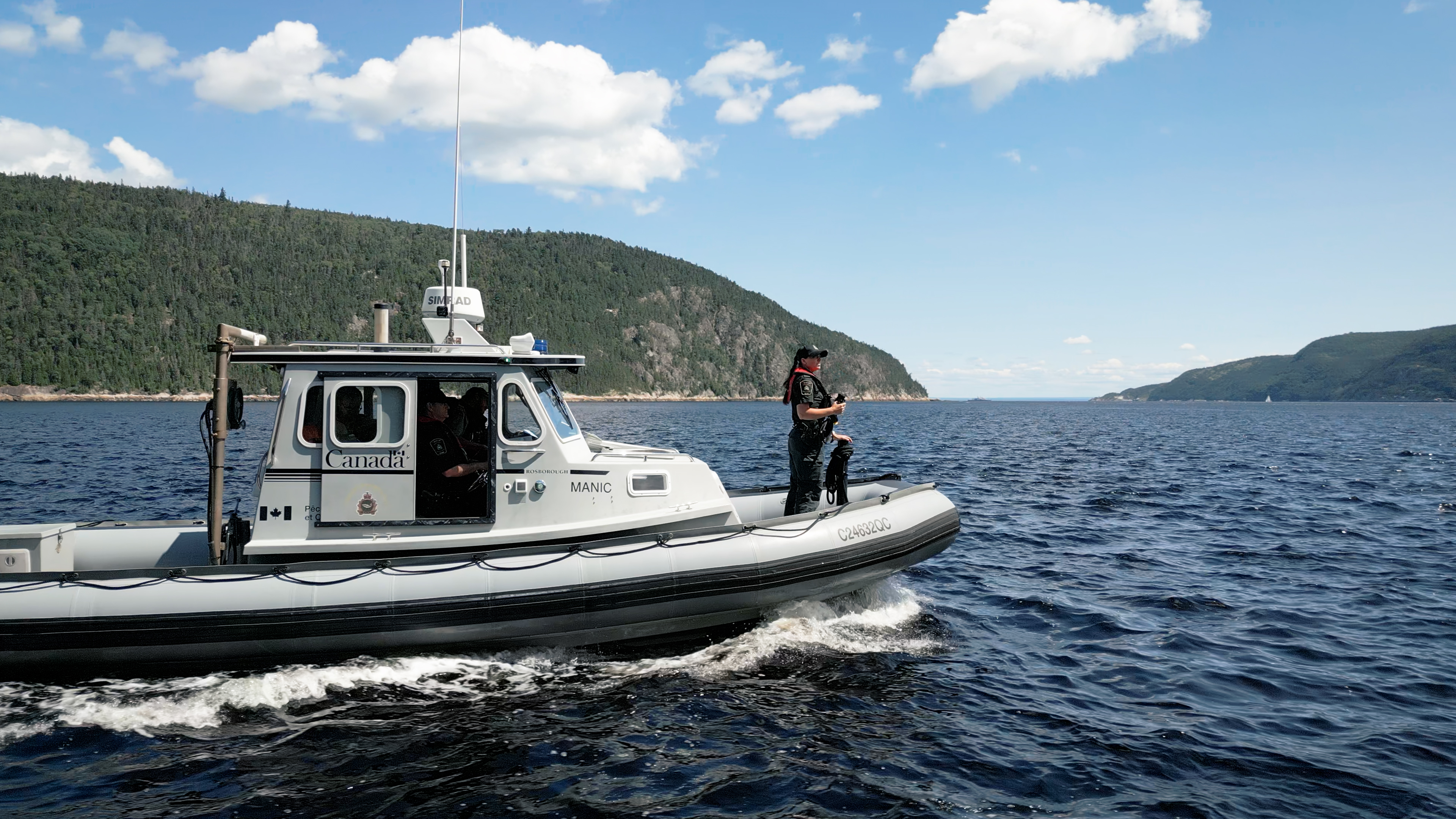
As a fishery officer, you'll:
- promote fisheries compliance and conservation through inspections and educating the public
- carry out surveillance of fishing activities by land, sea and air
- participate in planning, managing and controlling Canada's fisheries
- investigate fisheries and habitat offences
- meet with fish harvesters, industry leaders and the public to promote compliance, protection and conservation
- act as a contact or representative of the federal government in remote communities
- collect evidence of illegal activity during routine patrols and special investigations to use in court
- have the opportunity to work closely with Indigenous communities and contribute to incorporate Indigenous knowledge into fisheries management
Requirements
The working environment for fishery officers can be demanding.
Physically, you'll be exposed to all types of weather and terrain. You'll wear heavy protective equipment like soft body armour (weighing up to 12 kg) while:
- climbing ladders
- boarding vessels
- hiking over rugged terrain
Land, air and sea patrols may last hours or days, and your job could be spent outdoors, in a vehicle or aircraft, on a vessel or snowmobile, or in the office.
The work may require:
- shift work
- disruptions to your routine schedule
- time away from family and community
You'll need to be mentally and emotionally prepared to deal with confrontational and sensitive situations, including the potential for use of deadly force. As a fishery officer, you'll be trained to face these kinds of challenges and be ready to tackle any situation.
Skills and knowledge
Being a fishery officer demands a broad and integrated skill set, developed through intensive training:
- Technical and operational proficiency: Fishery officers must become familiar with fishing gear, vessel layouts, navigation aids, and fishing techniques. They will learn to operate patrol vehicles and vessels in all conditions, including vehicle and vessel stops, roadblocks, and armed boardings. They may also learn to install and monitor surveillance equipment and will be able to interpret logbooks to detect violations.
- Compliance and enforcement: A thorough understanding of the Fisheries Act and regulations, departmental policies, and applicable international treaties is essential. Fishery officers may also enforce provisions under the Criminal Code of Canada and frequently work in partnership with agencies such as the Royal Canadian Mounted Police and Environment and Climate Change Canada. They must be skilled in conducting compliance inspections, including the review of logbooks and other records. Officers are trained to lead investigations, carry out interviews, execute search warrants, and properly handle evidence. They may also provide advice to Crown counsel and serve as expert witnesses when testifying in court.
- Environmental and industrial awareness: Fishery officers monitor activities in sectors such as mining, agriculture, and oil and gas, ensuring compliance with environmental regulations in relation to fisheries and fish habitat. You will learn to assess how enforcement actions affect domestic and international operations, considering political, socio-economic, and cultural factors.
- Communication and analysis: Strong communication skills are vital for interviewing, court testimony, public education, and conflict resolution. Fishery officers analyze intelligence, assess compliance, and recommend improvements to enforcement and management strategies. You will learn to prepare detailed reports and court briefs based on evidence and observations.
- Leadership and resource management: Experienced fishery officers train cadets and entry-level officers, contribute to operational planning, and manage enforcement budgets. They issue stop-work orders, seize assets, and handle sensitive evidence. They are also responsible for maintaining enforcement equipment, vessels, and vehicles, ensuring operational readiness and integrity.
Page details
- Date modified: