
Evaluation of the Department’s efforts towards Reconciliation with Indigenous Peoples
Final Report
June 2025
On this page
Acknowledgements
We acknowledge that Fisheries and Oceans Canada’s (DFO) Evaluation Division, located in Ottawa, carries out its work on the traditional, ancestral, and unceded territory of the Anishinabek Algonquin Nation, whose presence there reaches back to time immemorial.
We express our sincere appreciation to all departmental employees across Canada working from coast to coast to coast for their collaboration, guidance, support, as well as for their participation in surveys, interviews and meetings, all of which have provided essential information for this evaluation.
1.0 Evaluation Context
1.1 Introduction
As requested by senior management, a thematic evaluation of the Department’s efforts towards Reconciliation with Indigenous Peoples was carried out during fiscal years 2023-24 and 2024-25 by DFO’s Evaluation Division. The evaluation was conducted in compliance with the Treasury Board Policy on Results. The evaluation captures the Canadian Coast Guard (CCG), which at the time was a special operating agency of DFO, and has since transferred to the Department of National Defence (DND) in September 2025, pursuant to Order in Council 2025-0639. As such, related responsibilities, priorities and structures have changed since the evaluation was conducted.
1.2 Evaluation objectives and scope
The evaluation assessed the themes and questions shown in Figure 1, which were collaboratively developed with officials across the Department, including Inuit, First Nations, and Métis employees. It employed a real-time approach, conducted in phases, to disseminate information throughout the evaluation, generate conversations and provide senior management with evidence-based information for decision-making. As a thematic evaluation, the scope covered the Department as a whole. It was not meant to evaluate the implementation of the Reconciliation Strategy and Action Plans directly, nor the Department’s Indigenous-focused programs. Rather, the evaluation was internally directed; as such, it did not collect information from Indigenous partners. Instead, evaluators supplemented their analysis with a literature and document review to incorporate external perspectives of First Nations, Métis, and Inuit in Canada.
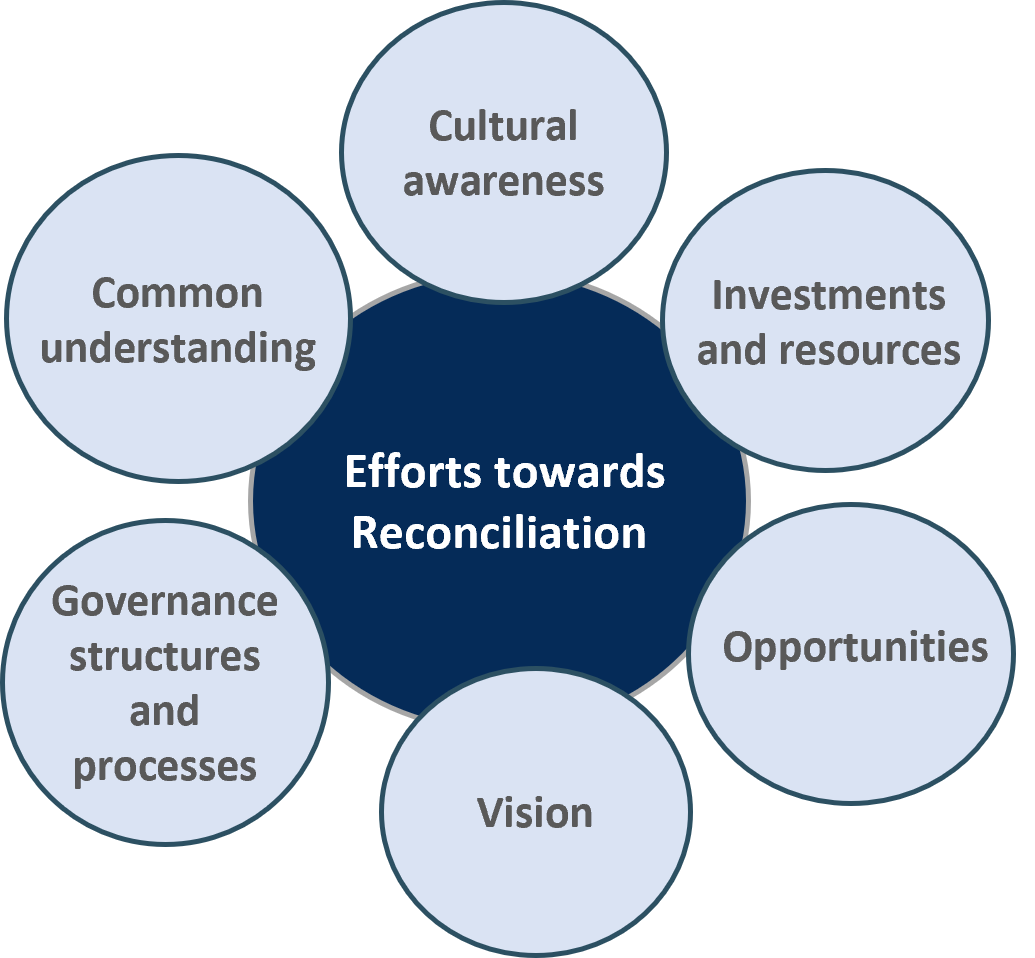
Figure 1: Evaluation themes Footnote 1
Long description
The image is a circular diagram with one dark blue circle in the center and six light blue circles arranged evenly around it, forming a ring. The central circle contains the text “Efforts towards Reconciliation”, which represents the main concept. Each surrounding circle is connected to the center and contains one contributing factor: Cultural awareness (top center), Investments and resources (top right), Opportunities (bottom right), Vision (bottom center), Governance structures and processes (bottom left), Common understanding (top left). The design emphasizes that these six factors are interconnected and all contribute to the central goal of Reconciliation.
Evaluation questions:
- What does Reconciliation mean?
- To what extent is there cultural awareness within the Department?
- To what extent does the Department’s vision, governance structures, processes, and tools effectively and efficiently support the efforts towards Reconciliation?
- To what extent do departmental investments and resources support Reconciliation priorities and activities?
- What opportunities can the Department explore to advance its efforts towards Reconciliation in the future?
1.3 Evaluation methodology
Evidence was collected from various sources and triangulated to overcome any limitations and ensure more robust observations.
- A review of over 150 documents and a literature review.
- Interviews with national headquarters (NHQ) and regional personnel (n=35).
- A financial analysis, departmental budgets and expenditures, and payments made to Inuit, Métis, and First Nations recipients/vendors.
- Three employee surveys on: cultural awareness (n = 1,639), overall resources (n=84), and resources for transfer payments programs (n=22). (See Annex A for more information).
1.4 Department commitments to Reconciliation
The Department’s commitments to Reconciliation has been anchored in Historical and Modern Treaties, case law, Action Plan Measures under the United Nations Declaration on the Rights of Indigenous Peoples Act, Truth and Reconciliation Commission (Call to Action # 57), Many Voices One Mind, Minister’s mandate letter commitments, and Indigenous Program Review implementation and recommendations.
Through the 2019 Reconciliation Strategy, the Department formulated a vision, commitments and objectives for Reconciliation with Indigenous Peoples. Long-term objectives in this evergreen Strategy include strengthened Indigenous-Crown relationship, recognized self-determination and reduced socio-economic gaps.
Since 2019, the Department built multiple Reconciliation Action Plans in the National Capital Region (NCR) and in other regions, as well as other guidance documents and strategies like the Indigenous Recruitment, Retention and Development Strategy, the Northern Recruitment and Retention Strategy, the Canadian Coast Guard’s National Indigenous Relations Strategic Framework, and the Indigenous Program Review Action Plan.
The Department’s commitment to Reconciliation is further demonstrated through tangible actions, including: contracting Elder Residents to advise on Reconciliation-related activities in the Maritimes; targeted recruitment efforts to improve the proportion of Inuit, First Nations, and Métis employees in leadership and decision-making positions; a multi-sector, multi-region working group to support the development of meaningful performance indicators; the creation of the Indigenous Employee Networks/Circles (IENs) ‘By Us, For Us’; and the Indigenous Career Navigators Program. Additional examples can be found in Annex B.
1.5 Reconciliation in Action
Indigenous Career Navigators Program (ICNP)
The ICNP is a volunteer program led by the Knowledge Circle for Indigenous Inclusion (Indigenous Services Canada) that supports First Nation, Métis and Inuit employees in the federal public service nationwide by providing career advice and guidance on recruitment, retention, professional development, and career advancement. The Department had 14 out of 51 trained and certified Indigenous Career Navigators. Additionally, the only EX-level Navigator across government, who provides support to EX and EX minus one Indigenous employees within the public service, occupies a position in the CCG.
Assists hiring managers looking for advice on how to support Métis, First Nations, and Inuit employees with their career path.
Contributes the Many Voices One Mind: a Pathway to Reconciliation initiative across the public service.
Indigenous Employee Networks-Circles
The Indigenous employee Networks/Circles brought value to First Nations, Inuit, and Métis employees by offering spaces to come together and share ideas on job support, mentorship, mental health support, and career training. These networks-circles are organized and run by Indigenous employees for Indigenous employees.
Stand-alone Arctic Region
On October 24, 2018, the then Minister of Fisheries, Oceans and Canadian Coast Guard and the President of Inuit Tapiriit Kanatami (ITK) announced the creation of a stand-alone Arctic Region encompassing the four regions of Inuit Nunangat, as part of the Government’s commitment to advancing reconciliation and renewing relationships with Inuit, grounded in the recognition of rights, respect, cooperation, and partnership.
2.0 Evaluation Findings
2.1 Understanding Reconciliation
Finding: Reconciliation is centered on shared themes such as truth, relationships, collaboration, education, and breaking down barriers, all of which emphasize the importance of acknowledging historical impacts, fostering inclusion, eliminating systemic barriers, and building stronger, more respectful connections grounded in mutual understanding and cultural awareness.
To foster a comprehensive understanding of Reconciliation, the cultural awareness survey was complemented by a literature review to incorporate external perspectives of First Nations, Métis and Inuit in Canada. The findings highlight the complexity of Reconciliation, reflected in diverse interpretations and opinions.
"We keep saying the word Reconciliation but what does it mean? To me, to you, to the region?“
“Reconciliation means different things from one person to another. You can come up with a fairly high-level definition and everyone agrees with it. But when you get to a more concrete level, it means different things.”
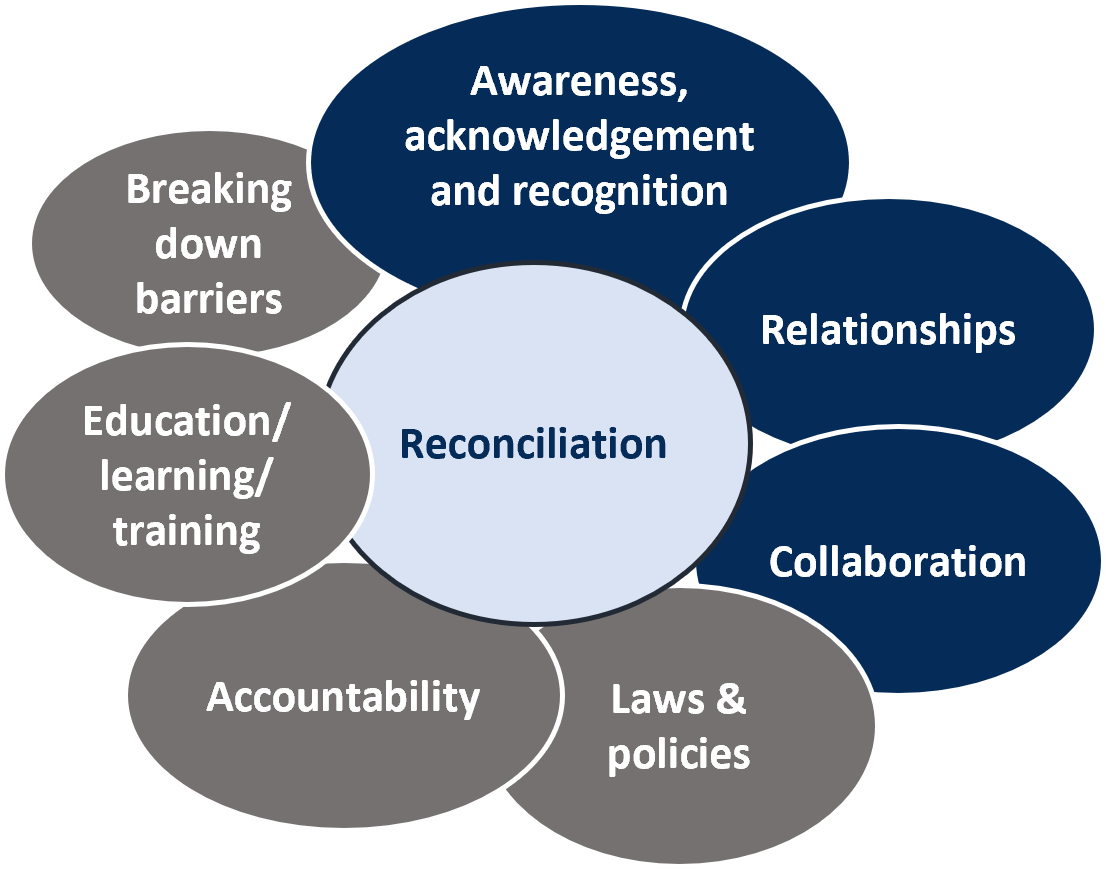
Figure 2: Themes identified by survey respondents to describe Reconciliation
Long description
This figure is a cluster diagram consisting of seven interconnected oval shapes arranged around a central concept. At the center is a light blue oval labeled “Reconciliation”, representing the main theme. Surrounding it are six ovals connected to the center, illustrating key themes identified by survey respondents to describe what Reconciliation means to them.
Three dark blue ovals represent the themes most commonly identified by staff: Awareness, acknowledgement and recognition (top center), Relationships (middle right), Collaboration (bottom right).
Four gray ovals represent other themes identified by staff in the cultural awareness survey: Breaking down barriers (top left), Education/learning/training (middle left), Accountability (bottom left), Laws & policies (bottom center).
“Reconciliation means a cultural shift.”
The survey identified seven themes on what Reconciliation means to staff, with the most common being awareness, acknowledgement, and recognition; relationships; and collaboration (Figure 2).
These themes align with the First Nations, Métis, and Inuit perspectives, identified in the literature review, which emphasize that Reconciliation must begin with the truth—acknowledging past and present wrongs, along with maintaining ongoing transparency, to heal relationships.
Relationships, collaboration, accountability, and education are other frequently mentioned themes by survey respondents. These themes also align with the perspectives of Métis, Inuit, and First Nations and reflect the importance of repairing relationships through honesty, understanding historic impacts, inclusion, and cultural reconnection. Education through cultural competency training, prioritized by the Department, was noted as a positive step by survey respondents and interviewees to advance Reconciliation with Indigenous Peoples.
Some survey respondents also highlighted themes absent from key official documents such as the 2019 Reconciliation Strategy, namely: advocating for the elimination of barriers by deconstructing colonial practices, addressing bureaucratic and systemic barriers and tackling internalized racism; and integrating Indigenous knowledge within the Department’s frameworks. While not being explicitly integrated into the Reconciliation Strategy, the Department has taken some steps to address these issues, as detailed in later sections.
2.2 Departmental vision and cultural awareness
Finding: Clear guidance, expectations, language, and tools are needed to cohesively and consistently operationalize the Department’s vision towards Reconciliation at every level.
Operationalization of the vision
Almost half (46%) of employees who responded to the cultural awareness survey agreed that the Department has clear objectives regarding Reconciliation. This perception was higher among executives (63%) than managers (51%) and employees (41%).
Survey respondents and interviewees (70%) identified the need for clarity on the high-level mandate, policies and framework for Reconciliation with Métis, Inuit, and First Nations and concrete direction, guidance, tools, and priorities on how to operationalize them (Figure 3). This suggests that while high-level objectives may be clear to some, more guidance is needed to ensure all employees understand their role in achieving these goals. Considering the broad and diverse mandate and priorities of the Department, clarity is required around how Reconciliation fits within the Department’s mandate, including how to bridge the gap between legacy policy and program approaches and expectations for co-governance with Indigenous partners.
Reconciliation should be an inherent component of the work culture to foster a common understanding that advancing Reconciliation is everyone’s responsibility.
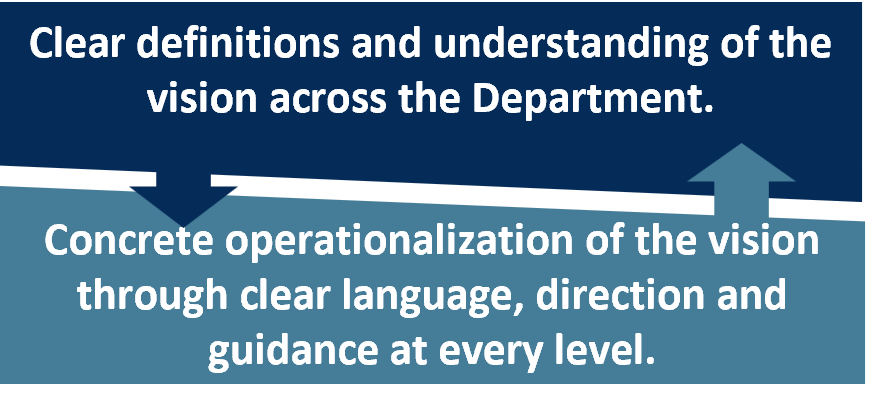
Figure 3: The link between a clear vision and concrete operationalization
Long description
This figure consists of two rectangular boxes stacked vertically and connected by arrows, illustrating a reciprocal relationship between two core elements. The top box is dark blue and contains the text: “Clear definitions and understanding of the vision across the Department.”
This represents the need for a consistently understood and shared vision. The bottom box is light blue and contains the text: “Concrete operationalization of the vision through clear language, direction and guidance at every level.”
This represents the practical implementation of that vision.
Two arrows connect the boxes. One arrow points downward from the top box to the bottom box, indicating that a clear vision informs operationalization. Another arrow points upward from the bottom box to the top box, showing that operationalization reinforces and supports the shared understanding of the vision. The layout emphasizes a reciprocal and iterative relationship between defining the vision and operationalizing it through guidance and direction at all organizational levels.
Finding: Gaps were identified in the awareness of and use of key documents and learning activities to support Reconciliation with Indigenous Peoples. Additional training and varied learning approaches were suggested to enhance cultural awareness and increase participation in training.
Cultural awareness and Learning Activities
The Truth and Reconciliation Commission of Canada’s Calls to Action 57 recognizes that advancing Reconciliation requires skills-based training in intercultural competency, conflict resolution, human rights, and anti-racism.
Reconciliation-related learning activities positively impacted many (71%) survey respondents by enhancing their awareness and understanding of Indigenous history and rights. These activities also encouraged survey participants to examine their own perceptions, beliefs and biases towards Indigenous Peoples, as well as Indigenous-Crown relationships. However, the cultural awareness survey also revealed inconsistencies in awareness of key documents across DFO sectors, with executives being more informed. There is a need to improve the awareness and use of key documents and learning activities related to Reconciliation with Indigenous Peoples.
Most respondents support mandatory training and the recent addition of the two mandatory courses Footnote 2. Sixty-two percent of employees completed the mandatory training by March 2025. Other federal departments have implemented cultural competency policies that require all employees to complete mandatory training on an annual basis and are reflected in performance management agreements.
Many survey respondents (59%) reported that heavy workloads or lack of time prevented them from participating in Reconciliation learning activities. Some cited a lack of awareness of relevant training (34%) and/or participation in other mandatory training (27%). A few other respondents had insufficient management support (11%) and/or found the content triggering (4%). Survey respondents suggested expanding existing learning activities and offering varied approaches to delivery, such as experiential or hands-on learning, Indigenous-led training, and having learning activities tailored by Inuit, First Nations, and Métis staff. Suggestions for additional learning and training activities included strategies to better engage with Inuit, Métis, and First Nations and implement Reconciliation policies and action plans.
2.3 Governance
Finding: The Department has made efforts to create or modify governance structures and processes to support Reconciliation, and some Indigenous-led bodies have been created, especially to support First Nations, Métis, and Inuit employees. This occurred organically and resulted in a decentralized and complex system. Clarity of roles and responsibilities could improve decision-making and approval processes.
Governance structure to advance Reconciliation
A complex internal governance structure to support Reconciliation with Indigenous Peoples had organically developed over time, involving multiple bodies at the national level and across regions and sectors at varying stages of development (Figure 4). A few bodies are Indigenous-led with self-determined roles, including the National Indigenous Employee Circle, the Regional Indigenous Employee Circles and the Conservation and Protection Indigenous Fisheries Officers Network. There are also DFO Regional Indigenous Relationships and Partnerships Hubs that act as resources for those working on Reconciliation files and support external consultation and engagement with Inuit, Métis, and First Nations in regions.
The evaluation did not identify any consolidated and comprehensive documentation of existing bodies involved in Reconciliation efforts. Similarly, there was no central body with an understanding of all the activities occurring across the Department. However, CCG national Indigenous Relations Branch and regional Indigenous Relations and Partnerships worked in a centralized manner and had awareness of most Reconciliation activities occurring across the CCG. Evaluation participants highlighted that more clarity is needed as to who does what and how each body fits into the overall governance structure.
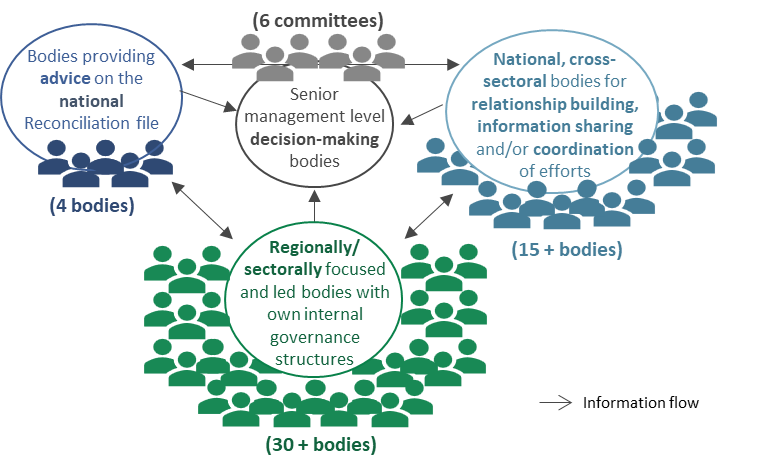
Figure 4: Internal governance structures for Reconciliation (Annex C)
Long description
This figure illustrates internal governance structures for Reconciliation (Annex C) using a diagram with three large circles and multiple person-shaped icons arranged around them.
Central Circle (Grey): At the center is a white circle labeled “Senior management level decision-making bodies”, which represents the core for strategic decisions. Above this circle are six small gray person icons, symbolizing the six committees that make up this senior management level.
Left Cluster (Blue): On the left is a large blue circle labeled “Bodies providing advice on the national Reconciliation file”. Below this label, it notes “(4 bodies)”. Surrounding this circle are four small blue person icons, representing the advisory bodies that provide guidance and expertise to inform high-level decisions.
Right Cluster (Dusty Blue): On the right is a large dusty blue circle labeled “National, cross-sectoral bodies for relationship building, information sharing and/or coordination of efforts”, with a note “(15+ bodies)”. Around this circle are multiple small dusty blue person icons, symbolizing the numerous bodies focused on coordination and relationship building across sectors.
Bottom Cluster (Green): At the bottom is a large green circle labeled “Regionally/sectorally focused and led bodies with own internal governance structures”, with a note “(30+ bodies)”. Surrounding this circle are many small green person icons, representing the regional and sector-led bodies that address specific priorities.
Black arrows connect the central circle to each of the three clusters, indicating the flow of advice and coordination among these groups. The arrows emphasize a multi-level governance approach that integrates national, regional, and sectoral perspectives. The overall layout conveys that senior management decision-making bodies are at the center, supported by advisory, cross-sectoral, and regional governance structures, all interconnected through information flow and collaboration.
Decision-making for Reconciliation
At a national level, decision-making in the Department usually occurred within existing senior management-level committees Footnote 3 that dealt not only with Reconciliation but multiple, sometimes competing priorities. Most national Reconciliation-specific bodies did not have a direct reporting line to senior management. For most, lines of reporting were not clearly defined. Few national Reconciliation-specific bodies (e.g., the National Indigenous Relations and Partnerships Coordination Network) had a direct reporting line to senior management.
Evaluation participants found approval processes to be long and challenging, especially when information about who is responsible for what decision is not readily available. Survey respondents also noted that communication of decisions could be timelier, including from NHQ to the regions and from senior management to the working level.
At the regional level, within DFO decision-making on Reconciliation usually took place in existing structures and bodies. However, in recent years, some regions had established Reconciliation-specific fora and had strengthened internal transparency, clarity, and accountability regarding Reconciliation. Interview participants noted that decision-making bodies were at the senior management level, and there were no equivalent bodies for mid-level management in most regions.
In contrast, the CCG incorporated regional input on Reconciliation at all levels of governance. Governance on Indigenous Relations advanced through a formal structure, starting at the working-level Indigenous Relations and Partnerships Committee, which served as the main table for the Executive Director of Indigenous Relations to provide national direction, advice and guidance to the regional Indigenous Relations and Partnerships teams as part of an established functional leadership model. Advice and guidance to the CCG’s senior management on Indigenous-focused operational programming and policy was provided at the director-level by the Indigenous Relations Executive Advisory Board. Items moved up to the DG/Assistant Commissioner-level Integrated Indigenous Policy and Program Committee, then to CCG Management Board, the CCG’s highest governance body which was chaired by the Commissioner with representation from CCG senior leadership. When the scope exceeded the CCG, the issues were brought to existing senior departmental committees. DFO remained engaged at all levels, with representatives from Strategic Policy and the Internal Audit Directorate on the Executive Advisory Board and the Integrated Indigenous Policy and Program Committee.
2.4 Roles, Responsibilities and Accountability
Finding: Evaluation participants recognize that senior management play a key role in advancing Reconciliation, but that leadership responsibilities are dispersed across all employees. While progress is being made to codify those responsibilities through internal accountability mechanisms (e.g., trainings, PMAs), more is required to better support Indigenous staff and define and measure progress.
Leadership Roles and Responsibilities
Within the Department, senior management is considered by evaluation participants to play a key leadership role in advancing Reconciliation efforts. Priority areas for enhancing leadership includes consistently considering Reconciliation goals, setting and communicating clear direction, ensuring that staff have the capacity and support to respond to Indigenous partners, and effectively consulting with the regions and the working level for timely decision-making.
All sources of information recognize the need to increase Inuit, First Nations, and Métis representation in senior leadership, particularly within the CCG where there is a gap in achieving the employment equity target at the executive level, to enhance cultural competency and strengthen direct engagement with Métis, Inuit and First Nations partners. Evaluation participants also proposed having an external advisory committee with Métis, First Nations, and Inuit voices as part of the Department’s leadership team.
Support for Inuit, First Nations and Métis employees
According to the 2022-23 Public Service Employee Survey, Inuit, First Nations and Métis employees continue to disproportionately face discrimination and harassment. Recent efforts to support First Nations, Inuit and Métis employees include the creation of national and regional Indigenous-led groups (e.g., Indigenous Employee Circles, Conservation and Protection Indigenous Fisheries Officers Network), the development of Indigenous talent management plans and of the Indigenous Career Navigators Program.
Evaluation participants emphasized the need for continuous efforts to support Métis, First Nations, and Inuit employees for employee wellness, career progression, practicing Indigenous traditions and cultures and creating safe spaces for Indigenous employees to share knowledge, concerns and recommendations without reprisal.
Internal and External Accountability
Survey respondents and interviewees identified accountability as a key theme of Reconciliation. For them, accountability involves taking meaningful action, rectifying past and current wrongs and making the necessary changes within the Department. Accountability relates to internal accountability, including towards Inuit, Métis and First Nations employees, as well as external accountability to Indigenous Peoples.
Internal accountability structures, processes, and tools vary by region and sector and are at various stages of development and use. Some regions noted having strong accountability tools that are being used (e.g., report card mechanism for measuring engagements, additional mandatory training, use of Performance Management Agreements (PMAs). In the Maritimes region the use of PMAs for senior management and mandatory training for cultural awareness captured in their learning plans for all employees are strong accountability tools. The feedback received is that CCG’s centralized, three-tiered approach to governance worked well for accountability. Yet, the majority (77%) of employees who participated in the national survey on cultural awareness responded that their team does not track progress on Reconciliation, or they were not aware if their team tracked progress.
Evaluation participants agreed about the need to better define and measure progress on Reconciliation and for stronger monitoring and reporting tools and practices. This includes creating clear links between the Reconciliation Strategy, Reconciliation Action Plans and other departmental performance measurement processes, such as those for program Performance Information Profiles and transfer payment programs. Additionally, it includes improving the associated data collection.
2.5 Coordination, Collaboration and Communication
Finding: While coordination, collaborations, co-operation and communication exist in certain regions and sectors throughout the Department, they tend to arise organically and informally among certain groups and categories of employees. Participants identified silos as contributing to misunderstandings, confusion, overlapping projects and duplications of tasks and duties. It was also believed that these gaps in communication and coordination placed a strain on First Nations, Inuit and Métis partners.
Coordination, collaboration, and co-operation
The level of formal and informal coordination, collaboration, and co-operation between bodies and groups vary.
Synergies exist in certain regions and sectors that work together by nature of location and types of engagement work. The formation of communities of practice (e.g., National Indigenous Relations and Partnerships Coordinators Network), with representation from multiple regions and sectors, facilitate information exchange and Reconciliation-related action. CCG’s functional leadership model, and use of liaison officers, responsible for translation and information sharing on the ground, seem to have led to better communication systems and relay of decisions. Other interviewees expressed that existing silos and limited formal collaboration, coordination and co-operation structures and processes, particularly between the regions and NHQ, remain a challenge to a cohesive, and effective approach to Reconciliation. Many evaluation participants felt that “no one was talking to each other” particularly between regions and the NHQ, where the largest communication gap was felt. Interviewees reported a specific need for proper consultation of regional and sectoral needs.
“The issue is not to add more committees/bodies but to make the existing ones more efficient and effective.”
Internal and External Communication
Gaps exist in both vertical and horizontal communication within the Department. While upper management shares knowledge in an impromptu and ad hoc manner between committees, interviewees noted that communication of decisions could be timelier, including from NHQ to the regions and from senior management to the working level. Interviewees report the need for structured information flow through improved and dedicated forums or channels for reporting back on decisions or sharing information. Some evaluation respondents reported that the lack of formalized horizontal communication and authorities has led to misunderstandings and confusion in overlapping projects.
Survey respondents reported participating in internal discussions about Reconciliation throughout the Department. Unplanned discussions occurred more frequently than planned ones particularly among executives, Inuit, Métis, and First Nations employees as well as those who have been in the Department longer compared to other employees.
External communications are not always coordinated, (e.g., communiques were released with conflicting information), placing a strain on Indigenous partners and DFO’s relationship with them. In addition, structural obstacles, such as language barriers and resource limitations, impact the programs’ ability to communicate effectively.
Recent efforts to improve communication and coordination include the National Engagement Consultation Tracking Registry (NECTR), which supports information sharing on and tracking of engagement and consultation with Métis, First Nations and Inuit. Also, the formation of communities of practice (e.g., National Indigenous Relations and Partnerships Coordination Network), with representation from multiple regions and sectors, facilitate information exchange and Reconciliation-related action.
2.6 Investments towards Reconciliation
Finding: The funding secured to support the Department’s efforts towards Reconciliation with Métis, Inuit, and First Nations is diverse and spread across sectors and regions. Contribution programs represent a significant portion of the investments, and a growing number of recipients are benefiting from them. The awareness and the use of the available transfer payment funding mechanism for Indigenous Recipients at DFO are limited. Indigenous procurement is increasing within the Department. Due to financial tracking and reporting limitations, there are challenges for the Department to take a proactive approach to quantifying resources spent across the Department related to Reconciliation.
Resources invested towards Reconciliation with Indigenous Peoples
The evaluation explored the feasibility of conducting a comprehensive financial analysis of the Department’s resources allocated to Reconciliation. However, this financial analysis was not feasible because financial information for Indigenous-related work is not tracked separately from core programming activities.
Consequently, the evaluation considered a methodology to assess sources of financial information that partially represent some Reconciliation-related spendings. This information was supplemented by survey information obtained from all managers and directors across the organization via two surveys. These surveys focused on the overall work, including programs’ core activities and transfer payments. The following sections are structured according to these components of the analysis.
Box 1 – The Directive on Transfer Payments outlines funding mechanisms that enhance flexibility from which Indigenous Recipients can benefit:
- Grant funding;
- Up-Front Multi-Year Contribution Funding (Appendix H of the Directive);
- Additional contribution funding approaches (i.e., fixed, flexible, block) for transfer payments to Indigenous recipients (Appendix K of the Directive).
Transfer payments to Indigenous recipients
Transfer payments are a key mechanism administered through various programs and sectors to support Indigenous Peoples and their objectives. Of the 51 transfer payment programs, there are 48 where Indigenous recipients are either the only or one of many identified eligible recipients. These programs differ in the extent to which their terms and conditions are authorized to administer the funding mechanisms to enhance flexibility outlined in Box 1.
- 6 programs (13%) with the authority to issue grants, up-front multi-year funding, and the additional contribution funding approaches (i.e., Appendix K).
- 38 programs (79%) with the authority for some (but not all) of the funding mechanisms that enhance flexibility.
- 4 programs (8%) without the authority for any of the funding mechanisms that enhance flexibilities.
Utilization of these funding mechanisms related to transfer payments programs
As noted in the Guideline on the Directive on Transfer Payments, these funding mechanisms (Box 1) can be applied, under specific conditions, to support ongoing and stable relationships with Indigenous recipients for community programming reflective of the needs of Indigenous people.
The evaluation assessed employees’ awareness and use of the funding mechanisms (Appendices H and K), as well as the barriers they faced in utilizing these mechanisms. The survey of TPP managers showed that the awareness and the use of transfer payment funding mechanisms at DFO are limited. Survey respondents indicated there is a need for more guidance, human resources and training to modify existing internal practices and fully benefit from these mechanisms.
Finding: Contribution programs represent a significant portion of the investments, and a growing number of recipients are benefiting from them.
Table 1 provides details on the transfer payments, managed by program sectors. The Fisheries and Harbour Management sector, which administers 23 of the 51 transfer payment programs, was responsible for most payments to Indigenous recipients.
| Grants and Contributions (Gs&Cs), by program sector | Total sector’s transfer payments ($) | Indigenous payments ($) | Indigenous payments of all sector’s transfer payments (%) |
|---|---|---|---|
|
Fisheries and Harbour Management Indigenous Reconciliation Priorities Integrated Aboriginal Contribution Integrated Fish and Seafood Sector Sustainable Management of Canada’s Fisheries Salmon Enhancement Small Craft Harbours Class Program Asset Disposal Programming |
1,071.8 M 331.5 M 416.4 M 155.8 M 119.5 M 40.0 M 7.1 M 1.5 M |
700.6 M | 65% |
|
Aquatic Ecosystems Aquatic Species and Aquatic Habitat Fisheries and Oceans-related Issues |
316.9 M 312.9 M 4.0 M |
135.7 M | 43% |
| Integrated CCG (e.g., Indigenous Community Boat) | 62.1 M | 36.0 M | 58% |
| Ecosystems and Oceans Science | 74.8 M | 1.7 M | 2% |
| Total | 1,525.5 M | 874.0 M | 57% |
| Source: Transfer payments information from GC InfoBase and the CFO sector. | |||
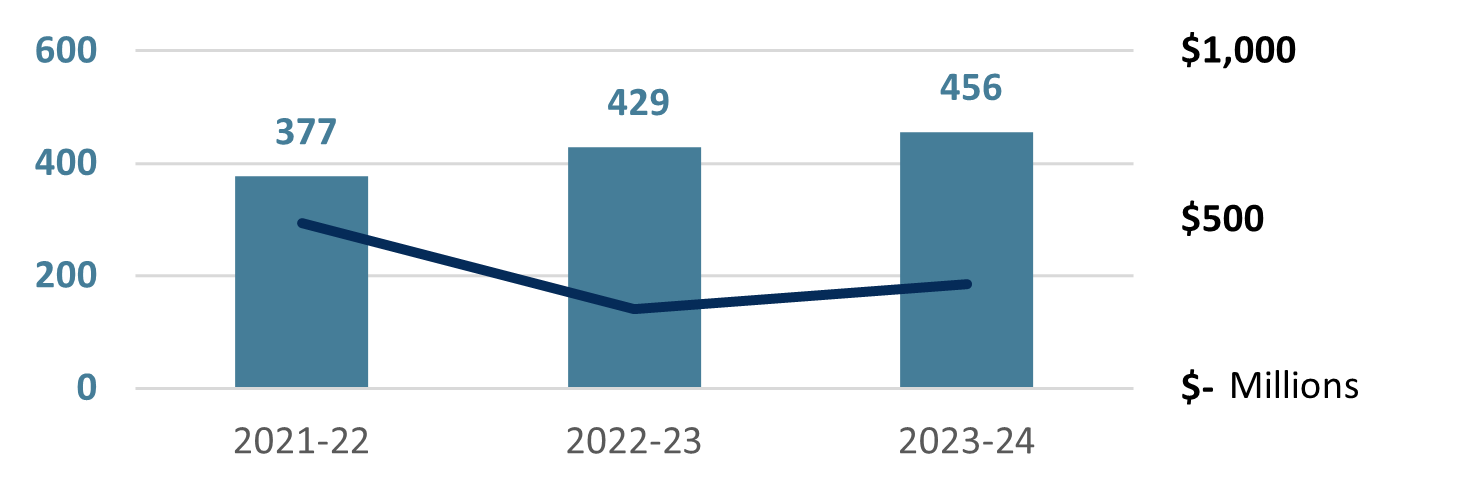
Figure 5: Number of Indigenous recipients and annual value of Indigenous transfer payments in million $, 2021-22 to 2023-24
Source: Transfer payments information from GC InfoBase and the CFO sector.
Long description
This figure is a combination chart that uses bars and a line to show two related measures over three fiscal years: 2021–22, 2022–23, and 2023–24.The horizontal axis lists the three fiscal years, the left vertical axis shows the number of Indigenous recipients by fiscal year, shown as blue vertical bars, and the right vertical axis displays the annual value of Indigenous transfer payments in millions of dollars, shown as a dark blue line.
The chart shows 377 Indigenous recipients in 2021–22, 429 in 2022–23, and 456 in 2023–24.
The dark blue line for transfer payments starts high in 2021–22, decreases in 2022–23, and then rises again in 2023–24 (the exact values not shown in the description but are indicated by the trend).
The bars demonstrate a steady increase in the number of recipients over time, while the line shows that funding fluctuated as participation grew.
- $875M Transfer Payments to Indigenous recipients (2021-22 to 2023-24)
- 57% Indigenous proportion of all transfer payments
- 582 Different Indigenous recipients transfer payments
- +21% Increase in the number of Indigenous recipients between 2021-22 and 2023-24
Finding: Indigenous procurement is increasing within the Department. To sustain this momentum, it is important to help Indigenous vendors understand the procurement process and build capacity to successfully participate in government contracts.
Indigenous Procurement
Indigenous procurement contributes to promoting economic development for Métis, First Nations and Inuit. There has been significant growth in Indigenous procurement, particularly for CCG fuels (Figure 6).
Contracts awarded to Indigenous businesses in 2023-24 reached $44.6M, which represented about 5.7 per cent of all awarded contracts after exceptions (Figure 7).
A government-wide mandatory requirement of minimum 5 per cent will need to be achieved starting in 2024-25.
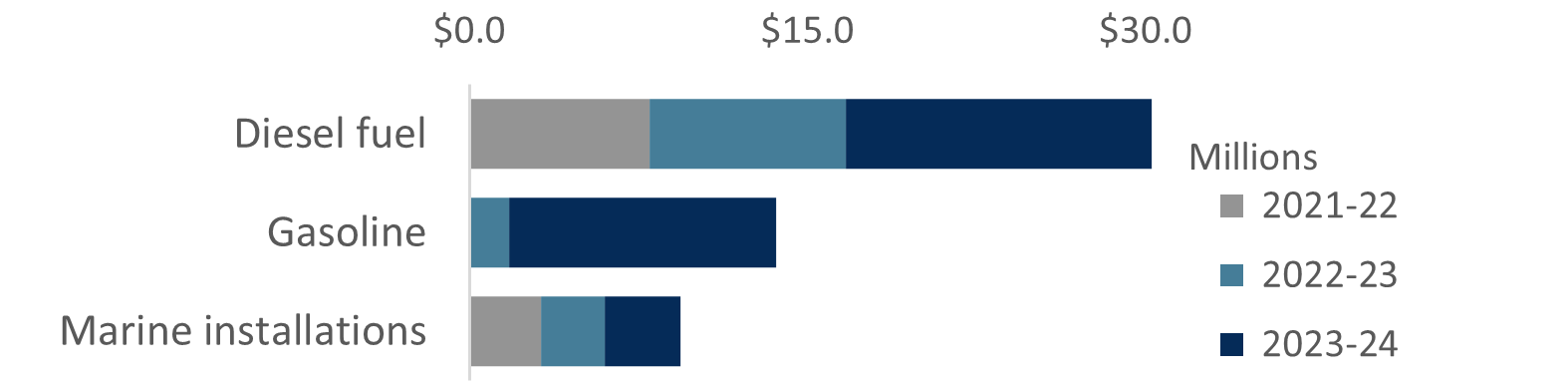
Figure 6: Contracts awarded to Indigenous businesses by commodity (top 3), 2021-22 to 2023-24
Long description
This figure is a horizontal clustered bar chart that compares the top three commodities for contracts awarded to Indigenous businesses across three fiscal years: 2021-22, 2022-23, and 2023-24. The horizontal axis (X-axis) represents the contract value in millions of dollars. The vertical axis (Y-axis) shows the top three commodity categories: Diesel fuel, Gasoline and Marine installations. For each commodity, there are three grouped bars, one for each fiscal year. The grey bars represent 2021-22, the blue bars represent 2022-23 and the navy bars represent 2023-24. The bars are arranged side by side within each category, allowing comparison of contract values over time. The chart shows that Diesel fuel has the highest contact values across all years. The layout emphasizes year-over-year changes within each commodity and shows which categories received the largest share of contracts.
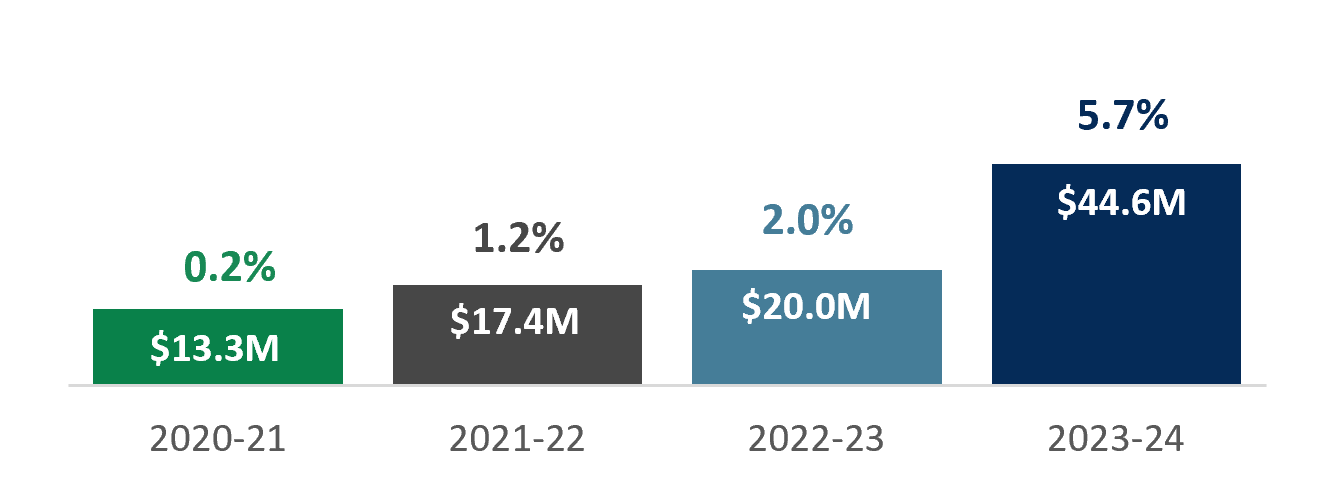
Figure 7: Contracts awarded to Indigenous businesses in million $ and % of all awarded contracts, 2020-21 to 2023-24
Source: Consolidated dataset of proactive publication of contracts on the Open Canada portal.
Long description
This bar chart illustrates the value of contracts awarded to Indigenous businesses and their share of total awarded contracts for four fiscal years: 2020–21, 2021–22, 2022–23, and 2023–24. The horizontal axis lists these fiscal years, while the vertical bars represent contract values in millions of dollars, with the corresponding percentage of all awarded contracts displayed above each bar. 2020–21 is represented by a green bar, showing a contract value of $13.3 million and a share of 0.2%. 2021–22 is represented by a dark gray bar, representing $17.4 million and 1.2%. 2022–23 is represented by a blue bar, indicating $20.0 million and 2.0%. 2023–24: The fourth bar is dark blue, highlighting a significant increase to $44.6 million and 5.7%. The color progression from green to gray to blue visually emphasizes growth over time. The chart demonstrates a clear upward trend in both contract values and percentages, with the most notable increase occurring in 2023–24.
Challenges associated with Indigenous procurement
Indigenous supplier capacity is insufficient in certain categories of commodities (e.g., shipbuilding) and others have long-standing exemption from competition with specific non-Indigenous suppliers (e.g., protection services, land vehicles). This poses challenges to increasing Indigenous procurement.
Finally, gaps in current processes affect the Department’s ability to accurately measure and report on procurement activities. These gaps include the lack of correlation between vendor data in the departmental system and vendors' eligibility status with the Indigenous Business Directory, which is the primary source used by the federal government to determine whether there are Indigenous businesses to fulfill federal contracts.
Additionally, there were calculation challenges at the time of the evaluation (e.g., only data reported on Open Canada could be used, which excluded Specific Service Agreements by Public Services and Procurement Canada), which have since been resolved.
Evaluation participants identified several opportunities to enhancing Indigenous procurement:
- Provide sufficient advance notices and communicate opportunities effectively, including offering training on how to apply (e.g., Procurement Assistance Canada, one-on-one workshops);
- Consider unbundling requirements and issuing smaller sole source contracts. These contracts are more culturally appropriate than competitive bids while being less cumbersome than Standing Offers; and
- Provide constructive and transparent feedback to unselected businesses.
Understanding the process and building capacity are crucial steps for Indigenous vendors to successfully participate in government contracts.
Finding: Currently, the Reconciliation-related program resources are primarily contributing to enhancing internal capacity to deliver on Reconciliation with Indigenous Peoples and recognizing the Rights of Indigenous Peoples in the Department’s mandated work. Although the exact spending figures are not available, evaluation participants have noted challenges regarding the sufficiency and sustainability of resources (such as financial and human resources) and the flexibility in applying policies.
Funding for Reconciliation-related commitments and priorities
Reconciliation-related investments are expected to contribute to key priority areas, such as recognizing Indigenous Peoples Rights (e.g., in managing fisheries and aquatic ecosystems, and enhancing marine safety and marine environmental protection), enhancing internal delivery capacity, or enhancing capacity for Indigenous self-determination and advancement of Indigenous cultural and economic development goals. Overall, managers and directors believe that the activities currently planned or delivered are mostly contributing to enhancing internal capacity and recognizing the Rights of Indigenous Peoples in the Department’s mandated work.
Challenges related to resources
Departmental directors and managers reported that insufficient time and resources (e.g., internal capacity, operating budgets including travel) were key limitations when it comes to advancing Reconciliation with Inuit, Métis, and First Nations.
Meeting commitments and managing increased Reconciliation-related demands and expectations is an ongoing long-term process. Yet, as shown on Figure 8, there is a heavy reliance on temporary funding (36%), and/or the Reconciliation work beyond the ongoing activities is being absorbed within the core program budgets (30%).
To better align with Reconciliation efforts and community needs, there is a call for more flexibility (e.g., with respect to deadlines, allowance for tobacco offering or honorarium for engagement activities) in support of meaningful and more culture-appropriate engagement.
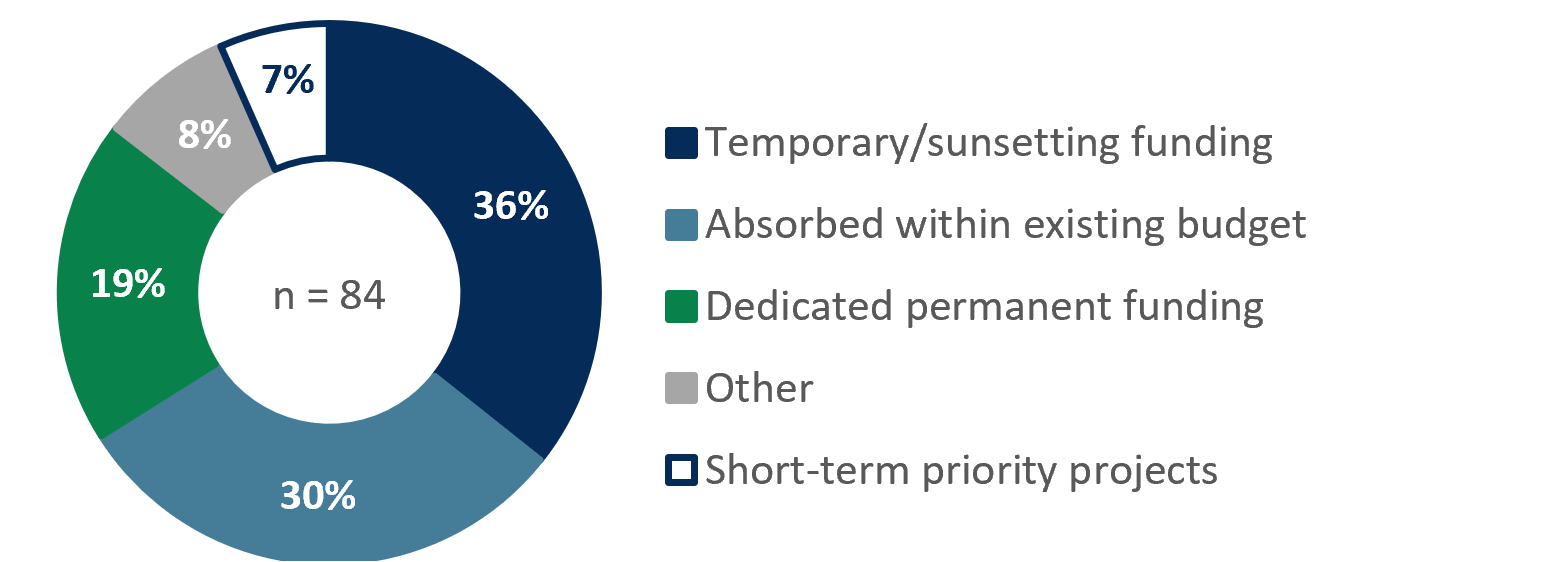
Figure 8: Primary sources of funding for Reconciliation-related activities Footnote 5, as reported by departmental managers and directors in a survey (n = 84)
Long description
This figure presents a donut chart illustrating the primary sources of funding for Reconciliation-related activities, based on survey responses from departmental managers and directors (n = 84). The chart is divided into five segments, each representing a funding source and its percentage of responses. The segments are arranged clockwise starting from the top. The largest segment, in dark blue, represents “Temporary/sunsetting funding”, which accounts for 36% of responses and is positioned on the upper right. Moving clockwise, the next segment in blue represents “Absorbed within existing budget”, making up 30% of responses and located on the lower right. Continuing around the chart, the green segment represents “Dedicated permanent funding”, which accounts for 19% and is positioned on the lower left. The light gray segment, located on the upper left, represents “Other sources of funding” and accounts for 8% of responses. Finally, the smallest segment, in white at the very top, represents “Short-term priority projects”, which make up 7% of responses. The color progression and segment sizes clearly highlight that temporary and absorbed funding sources dominate, while short-term projects and other sources are least common.
“Any interruption due to lack of resources hinders the progress already made by the department towards Reconciliation with Indigenous Peoples.”
“Short-term funding allocations are not conducive to establishing trusting relationships, which is foundational to making progress on this work.”
“Travel restrictions have caused us to scrutinize travel to meet with Indigenous partners, which impacts the ability to build trusting relationships.”
“We move at the speed of trust.”
3.0 Recommendations
The evaluation demonstrated that the Department has taken meaningful steps in advancing Reconciliation. Building on this foundation, the evaluation offers four recommendations to further strengthen the Department’s Reconciliation efforts. Continuing to integrate Indigenous perspectives in these efforts is essential.
In light of CCG’s transfer the Department of National Defence in September 2025, separate Management Action Plans have been respectively prepared by DFO and CCG in response to these recommendations.
Recommendation 1: It is recommended that the Senior Assistant Deputy Minister for Strategic Policy and Commissioner in collaboration with relevant sectors and regions enable stronger understanding and implementation of the vision for Reconciliation by:
- Reinforcing employees’ understanding and awareness of the vision by defining key terms, concepts and priorities and elevating First Nations, Inuit and Métis knowledge as part of the vision;
- Communicating vision: disseminating the vision among staff through regular conversations at different levels and developing a communication plan;
- Developing and implementing clear direction, guidance, and tools at all levels to improve the operationalization of the vision; and
- Developing an Indigenous cultural competency policy focused on addressing racism and discrimination.
Recommendation 2: It is recommended that the Assistant Deputy Minister of People and Culture and Commissioner in collaboration with relevant sectors and regions expand employees’ cultural awareness and competency by:
- Implementing the Indigenous cultural competency policy focused on addressing racism and discrimination as developed by Strategic Policy in Recommendation 1;
- Expanding existing learning activities through mandatory and specialized training, including consideration of Indigenous-led training and experiential/hands-on learning;
- Establishing accountability and reporting mechanisms to track training completion; and
- Continuing to address employment equity barriers related to Indigenous employment.
Recommendation 3: It is recommended that the Senior Assistant Deputy Minister for Strategic Policy and Commissioner in collaboration with relevant sectors and regions strengthen the Department’s governance structures for decision-making, accountability, and communication by:
- Clearly defining the roles and responsibilities related to Reconciliation across NHQ, regions, and sectors;
- Establishing formal communication and coordination among departmental bodies working on Reconciliation, where appropriate; and
- Including First Nations, Inuit, and Métis representation in decision-making and governance structures.
Recommendation 4: It is recommended that the Assistant Deputy Minister and Chief Financial Officer in collaboration with other sectors and regions explore opportunities to support Reconciliation by:
- Increasing departmental guidance, tools and procedures on options available to transfer payments programs under the Transfer Payment Policy;
- Increasing flexibility in the application of financial-related policies (e.g., tobacco offering, and honorarium);
- Improving performance measurement structures, processes and tools; and
- Tracking the Department’s investments and spending in support of Reconciliation.
4.0 Annexes
4.1 Annex A: Evaluation Methodology: Survey demographics
The evaluation conducted three surveys with DFO-CCG employees, including:
1) The Reconciliation Training Survey / Cultural Awareness
The survey was administered to all employees and collected departmental baseline information. It was developed by the Evaluation Division and the Policy Sector, with support from the Indigenous Employee Network/Circles, the Reconciliation Co-Champion Secretariat and CCG’s National Indigenous Relations Branch. With a 10% response rate8
the views expressed reflect only those of the survey respondents. Participants’ views on learning activities are not limited to those offered by Canada School of Public Service (CSPS) and the Department.
A total of 1,639 individuals participated in the survey, representing a 10% departmental response rate, including 69% employees, 26% managers or supervisors, and 5% executives.
2) Survey on overall resources for Reconciliation Footnote 6
The survey collected information on available funding allocated to various Reconciliation priorities and commitments, and areas of pressure and risk related to dedicating sufficient and sustainable resources. This survey provides a general overview of Reconciliation-related efforts and gaps.
A total of 84 individuals participated in the survey, representing a 25% response rate, with 44% identifying as managers, 48% as directors or executives, and 8% as other roles.
3) Survey on DFO TPP resources for Reconciliation Footnote 7
The survey collected information on the DFO’s tools, authorities, and other mechanisms available for administering transfer payments to First Nations, Inuit, and Métis recipients in support of Reconciliation efforts. With a 20% response rate for the TPP survey and 25% for overall resources survey, the collected information somewhat reflects respondents’ experiences and views and does not fully represent the Department's situation.
A total of 22 individuals participated in the survey, representing a 20% response rate, with 41% identifying as managers, 18% as directors, 36% as program officers, and 5% as other roles.
4.2 Annex B: Evaluation findings – examples of promising practices
Below are examples of promising Reconciliation-related practices taken by various sectors/regions across the Department.
Training
Learning activities:
- The introduction of two mandatory Reconciliation-related courses: Reflecting on Cultural Bias: Indigenous Perspectives and the Uncomfortable Truth: A brief History of the Relationship between Indigenous Peoples and the Government of Canada.
- Conservation and Protection (C&P) branch wrapped up the “Project 57 Initiative” – a year-long effort- to promote learning and awareness on Reconciliation for C&P staff and improve collaborative relationships with Indigenous Peoples (Gulf Region).
- Canadian Coast Guards’ Journey with me Video series which uses storytelling to help tell the history and show the resiliency of Indigenous Peoples in Canada.
Governance
Systems & processes:
- A designated coordinator role in the Pacific Regional Director General’s (RDG) office to direct incoming information towards the correct senior management tables, which is thought to have improved response times.
- Canadian Coast Guard’s (CCG) functional leadership model (senior and middle management Indigenous Relations governance) and approach is thought to have streamlined decisions and improved response times.
- National Indigenous Relations and Partnerships Coordinators Network (NIRPCN) is working on improving communication and coordinating initiatives across the Department, using communiques and internal newsletters to share information on training and Reconciliation-related initiatives.
- NIRPC and the Indigenous Relationship and Partnership (IRP) Hubs have initiated meetings, improving communication and collaboration across the Department.
- National Engagement Consultation Tracking Registry (NECTR) is expected to improve coordination through internal sharing and tracking of engagement and consultation.
- DFO Pacific region has adapted its processes and decision-making structure in recent years, to strengthen internal transparency, clarity and accountability around Reconciliation.
Accountability & Leadership:
- Conversing with forums like the Hudson Bay Consortium (HBC) regularly to obtain the perspectives of Métis, Inuit, and First Nations.
- DFO Indigenous Relationships and Partnership (IRP) Hubs have set up various informal lines of communication and ad-hoc forums.
- Creation of National Reconciliation Co-Champions.
Vision, Approach, Roles & Responsibilities:
- Passionate employees have gone beyond their defined roles and responsibilities to further Reconciliation practices in their line of work.
- Review of CCG’s Vessel Naming Policy for alignment with the United Nations Declaration on the Rights of Indigenous Peoples Act.
- Creation of a multi-sector, multi-region working group to support the development of meaningful performance indicators.
Indigenous Representation:
- Development of regional Indigenous talent management plans.
- Focused recruitment efforts to improve the proportion of Inuit, Métis, and First Nations employees in leadership and decision-making positions.
- Development of a departmental Northern Recruitment and Retention Strategy.
- Initiation of phase 2 of the Community Engagement Coordinators initiative, which seeks to recruit eight coordinators based in Arctic communities to support information sharing and relationship building at the community and regional level.
- In the Maritimes, they had a contract with Elder Residents to advise on Reconciliation files.
- Moderate Livelihood Fishing Plans (MFLP) as a good practice for sovereignty recognition in the short term and the potential for the development of a Rights Reconciliation Agreement in the long term.
Documents, guidelines, tools, and strategies
- Departmental Reconciliation Strategy
- Indigenous Program Review and Action Plan
- United Nations Declarations on the Rights of Indigenous Peoples Act (UNDA) Action Plans
- Action Plans (Regional and National)
- Indigenous Employee Network (IEN) ‘By Us, For Us’
- Indigenous Recruitment, Retention and Development Strategy
- Canadian Coast Guard Indigenous Relations and Reconciliation Toolkit
- Canadian Coast Guard’s Indigenous Relations Strategic Framework captures and organizes Reconciliation-related activities undertaken by CCG.
- Many Voices One Mind: a Pathway to Reconciliation: Departmental Action Plan.
- CCG: Guidelines for Building Relationships and Partnerships with Indigenous Communities 2023.
Hubs, groups, and forums
- Indigenous Employee Networks/Circles (IEN/IEC)
- DFO Indigenous Relationships & Partnerships (IRP) Hubs
- Indigenous Student Employment Opportunity
- BC Reconciliation and Partnerships Branch
- Indigenous Career Navigator Program (ICNP)
- National Indigenous Relations and Partnerships Coordinators Network (NIRPCN)
- CCG Indigenous Gathering Space is a place for sharing and learning for Indigenous employees, honored guests and allies.
- DFO IRP Hubs hold and provide information for external consultation/engagement.
4.3 Annex C: Departmental Bodies supporting Reconciliation with Indigenous Peoples
Various governance bodies supported Reconciliation with Indigenous Peoples (Figure 9). Some bodies had Terms of Reference and set of roles and responsibilities. Most of the groups had unclear reporting mechanisms and membership varied. NIRPCN played a role in both bodies by providing advice and in building relationships. Indigenous-led bodies are self-determined and not mandated by the Department.
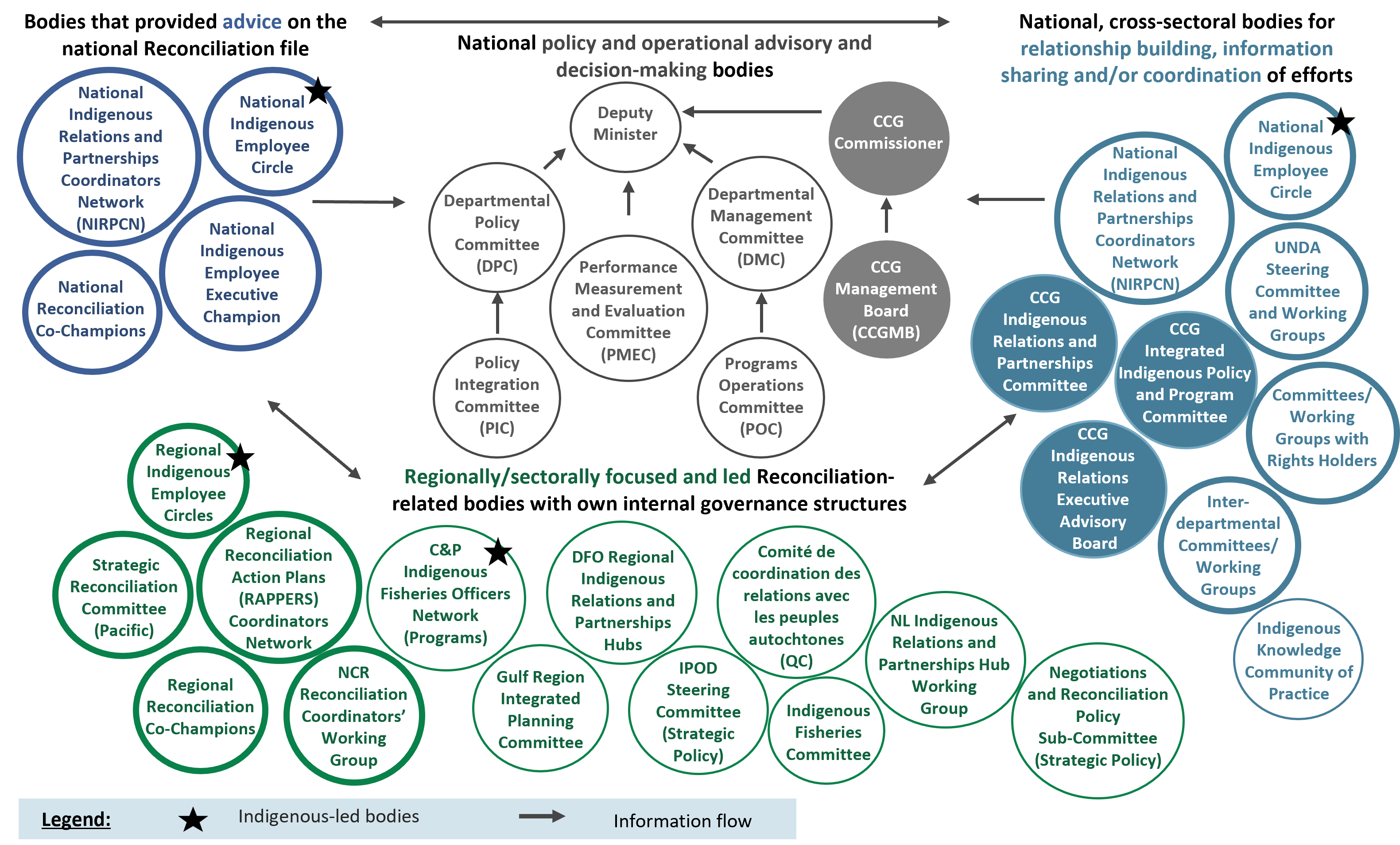
Figure 9: Evergreen map of the governance bodies that supported Reconciliation with Indigenous Peoples
Long description
This figure is an Evergreen map illustrating the governance bodies that supported Reconciliation with Indigenous Peoples. It is an expansion of Figure 4, providing a more comprehensive view of the governance structure. The map is organized into four main groupings, each indicated by a heading and color coding. The advice group is located at the top left of the map and is represented by blue circles. It includes four bodies:
the National Indigenous Relations and Partnerships Coordination Network (NIRPCN), National Indigenous Employee Circle, National Indigenous Employee Executive Champion, and National Reconciliation Co-Champions.
The Policy and operational advisory/decision-making group is centered in the figure and includes 8 bodies: the Deputy Minister, CCG Commissioner, Departmental Management Committee (DMC), Departmental Policy Committee (DPC), Performance Measurement and Evaluation Committee (PMEC), Policy Integration Committee (PIC), Programs Operations Committee (POC), and the CCG Management Board (CCGMB).
The Relationship building, information sharing and/or coordination group is positioned on the upper-right side and represented by dusty blue circles. It includes nine bodies: the National Indigenous Employee Circle, UNDA Steering Committee and Working Groups, Committees/Working Groups with Rights Holders, Inter-departmental Committees/Working Groups, Indigenous Knowledge Community of Practice, CCG Indigenous Relations and Partnerships Committee, CCG Integrated Indigenous Policy and Program Committee, and CCG Indigenous Relations Executive Advisory Board.
The Regionally/sectorally focused and led group spans the bottom of the map and includes thirteen bodies: the Regional Indigenous Employee Circles, Strategic Reconciliation Committee (Pacific), Regional Reconciliation Action Plans (RAPPERS) Coordinators Network, Regional Reconciliation Co-Champions, NCR Reconciliation Coordinator’s Working Group, C&P Indigenous Fisheries Officers Network (Programs), Gulf Region Integrated Planning Committee, IPOD Steering Committee (Strategic Policy), Comité de coordination des relations avec les peuples autochtones (Quebec), Indigenous Fisheries Committee, Newfoundland and Labrador Indigenous Relations and Partnership Hub Working Group, and Negotiations and Reconciliation Policy Sub-Committee (Strategic Policy).
Filled circles represent governance bodies associated with the Canadian Coast Guard, stars indicate Indigenous-led bodies (National Indigenous Employee Circle, National Indigenous Employee Circle, Regional Indigenous Employee Circles, and C&P Indigenous Fisheries Officers Network), and arrows indicate the direction of information flow.
The map uses color coding for clarity, which emphasizes the interconnected nature of governance structures supporting Reconciliation, with multiple pathways for advice, coordination, and decision-making.
4.4 Annex D : Management Action Plan
Evaluation of the Department’s efforts towards Reconciliation with Indigenous Peoples
Approval date: October 2025
MAP Completion Target Date: April 2027
Lead ADM/DC: Cross-Sector
Recommendation 1: It is recommended that the Senior Assistant Deputy Minister (SADM) for Strategic Policy in collaboration with other sectors and regions enable stronger understanding and implementation of the vision for Reconciliation by:
- Reinforcing employees’ understanding and awareness of the vision by defining key terms, concepts and priorities and integrating First Nations, Inuit and Métis knowledge as part of the vision;
- Communicating vision: disseminating the vision among staff through regular conversations at different levels and developing a communication plan;
- Developing and implementing clear direction, guidance, and tools at all levels to improve the operationalization of the vision; and
- Developing an Indigenous cultural competency policy focused on addressing racism and discrimination.
Rationale: The evaluation identified gaps in understanding and operationalizing the Department's vision for Reconciliation, with only 46% of employees feeling clear about the objectives. This inconsistency is more pronounced among different levels of staff, indicating a need for comprehensive communication and education about the Department's Reconciliation goals. Additionally, there is a demand for better-defined terms, concepts, and priorities, along with the integration of First Nations, Inuit, and Métis knowledge to create a vision that is inclusive and reflective of diverse Indigenous perspectives. Furthermore, communication gaps within the Department, both vertically and horizontally, were noted. The lack of formalized communication channels has led to misunderstandings and confusion, particularly between national headquarters and regional offices. To address these issues, it is crucial to develop and implement clear direction, guidance, and tools at all levels, ensuring that the vision for Reconciliation is consistently understood and operationalized. By reinforcing employees' understanding and awareness through regular conversations and a comprehensive communication plan, the Department can create a more unified and effective approach to Reconciliation, enabling all employees to contribute meaningfully to this goal.
Management response: DFO’s Strategic Policy sector (SP) agrees with the recommendation and recognizes the need to improve understanding and awareness of the Department’s vision for Reconciliation across regions and sectors. This aligns with the original direction included with the launch of the Reconciliation Strategy (the Strategy), which stated that employees must begin with learning about the current realities, history, heritage, cultures, rights, and perspectives of Indigenous peoples in Canada and their relationship with the Crown. This was also clearly articulated in the Truth and Reconciliation Commission Call to Action 57. Additionally, the critical need for clear direction, guidance, and tools that enable employees to understand how they can meaningfully contribute to Reconciliation was supported by the responses to the national survey on cultural awareness, a component of an earlier phase of the evaluation – a collaborative initiative between SP and Evaluation.
Building on the Strategy’s foundation, SP has begun work on developing a comprehensive resource to guide meaningful Reconciliation planning that defines key terms and concepts, embeds Indigenous cultural competency, and is designed to elevate Indigenous recommendations and perspectives. The Reconciliation Planning Framework (RPF) introduces four priorities with broad resonance across sectors and regions to advance Reconciliation that have been co-created with employees from across the Department through over seventy internal engagement sessions. The resource will include robust operational guidance and tools to support implementation at all levels.
SP will work with other sectors and regions to ensure coherence, alignment, and consistent application of the vision across the Department, including integration into sector plans, training frameworks, and strategic decision-making processes. SP will continue to advance improved understanding of Reconciliation across all levels of the Department by developing and implementing a Reconciliation communications plan, establish regular dialogue mechanisms, and design tools and guidance that support operationalization. This work will be grounded in anti-racism and cultural safety principles and will include the development of an Indigenous cultural competency policy focused on addressing systemic racism and discrimination.
These actions align with the Department’s Employment Systems Review, 2023-2027 Employment Equity, Diversity and Inclusion (EEDI) Action Plan, the Clerk’s Call to Action on Anti-Racism, Many Voices One Mind, and Truth and Reconciliation Commission (TRC) Call to Action 57. They advance United Nations Declaration Act (UNDA) priorities on systemic racism and discrimination, including Action Plan Measure (APM) 4.
Link to larger program or departmental results (if applicable)
- Supports the departmental result: Enhanced relationships with, involvement of, and outcomes for Indigenous Peoples.
| MAP results statement Result to be achieved in response to the recommendation |
MAP milestones Critical accomplishments to ensure achievement of results for PMEC’s approval |
Completion date Month, Year |
Director General responsible |
|---|---|---|---|
| 1. The departmental vision for Reconciliation is more clearly understood, meaningful Reconciliation planning is supported through comprehensive guidance, there is greater understanding of the impact of colonialism and increased engagement in substantive Reconciliation advancement. | 1.a Key Reconciliation terms, concepts, and priorities informed by Indigenous perspectives and guidance are developed and incorporated into the RPF. | January 2026 |
Director General, SPP in consultation with:
|
| 1.b A departmental Reconciliation Communications Plan, including regular conversation mechanisms across levels and regions is developed and launched. | February 2026 |
Director General, SPP in consultation with:
|
|
| 1.c Practical guidance and tools to support employees at all levels in operationalizing the departmental vision for Reconciliation in their day-to-day work is developed, incorporated into the RPF and implemented. | April 2026 |
Director General, SPP in consultation with:
|
|
| 1.d An Indigenous Cultural Competency Policy, co-developed with Indigenous employees and knowledge holders, is finalized and added to the RPF. The policy enables the cultural transformation necessary to advance meaningful Reconciliation, sets clear expectations for addressing racism and discrimination across the Department. | June 2026 |
Director General, SPP in consultation with:
|
Recommendation 2: It is recommended that the Assistant Deputy Minister of People and Culture in collaboration with other sectors and regions expand employees’ cultural awareness and competency by:
- Implementing the Indigenous cultural competency policy focused on addressing racism and discrimination as developed by Strategic Policy in Recommendation 1;
- Expanding existing learning activities through mandatory and specialized training, including consideration of Indigenous-led training and experiential/hands-on learning;
- Establishing accountability and reporting mechanisms to track training completion; and
- Continuing to address employment equity barriers related to Indigenous employment.
Rationale: The evaluation highlighted inconsistencies in cultural awareness and understanding of key documents related to Reconciliation across different sectors of the Department. While Reconciliation-related learning activities positively impacted a significant portion of survey respondents, there remains a need for more comprehensive and mandatory training programs. The Truth and Reconciliation Commission of Canada’s Call to Action 57 emphasizes the importance of skills-based training in intercultural competency, conflict resolution, human rights, and anti-racism. Expanding existing learning activities and incorporating Indigenous-led training and experiential learning can enhance employees' cultural competency and support the Department's Reconciliation efforts.
Additionally, the evaluation identified barriers to participation in Reconciliation learning activities, such as heavy workloads, lack of time, and insufficient management support. Addressing these barriers through mandatory training and establishing accountability mechanisms to measure training completion can ensure more consistent participation and progress. Furthermore, continuous efforts to address employment equity barriers are essential to support Indigenous employees' wellness, career progression, and cultural practices. By implementing these measures, the Department can foster a more inclusive and culturally aware work environment, contributing to its overall Reconciliation goals.
Management response: People and Culture management agrees with the recommendation and has already begun work to address it. People and Culture published the 2023-2027 Employment Equity, Diversity and Inclusion Action Plan to build a diverse, inclusive, and accessible workplace by removing systemic barriers, supporting underrepresented groups, and fostering a culture of respect, belonging, and equity. Through targeted programs, training, and leadership accountability, the plan outlines concrete steps to create lasting cultural change and ensure all employees can thrive and contribute fully.
We have established a Centre for Anti-Racism and Equity to assist the Department in developing, implementing, and delivering on the Clerk's Call to Action by promoting inclusive leadership, anti-racism and the empowerment of employees. We are working to ensure the Department’s leaders personally learn about racism, Reconciliation, accessibility, equity and inclusion. To support this work, we have also launched departmental EEDI Key Performance Indicators to transparently measure and track progress towards a more inclusive, respectful and equitable workplace for Indigenous peoples, while establishing accountability for inclusion.
To support cultural competency learning, we made Indigenous Awareness training (Canada School of the Public Service courses IRA101 and IRA 102, representing 4 hours of training) mandatory for all DFO employees to complete by March 31, 2025.
People and Culture has made progress on addressing employment equity barriers related to Indigenous employment namely by: prioritizing EEDI hiring, including of Indigenous people, in DFO's staffing strategies; requiring training on inclusive hiring practices by all managers; implementing ADM-level and/or DM review approvals of staffing actions with a focus on EEDI; and engaging senior management across the Department on strategies to address representation gaps.
We have supported Indigenous candidates with culturally aware approaches and tools that improve navigation of government recruitment processes such as the Inuksugait Resume Inventory, and the Indigenous Career Navigator Program which was launched in 2024, and which acts as an enterprise-wide community support network, giving Indigenous public servants advice and guidance to navigate recruitment, development, and advancement, while advising managers on implementing Indigenous recruitment and retention strategies.
We have worked to identify and mitigate systemic barriers that may prevent Indigenous candidates from entering or advancing in the organization, including consulting and involving Indigenous employees in identifying barriers to Indigenous recruitment and retention through a variety of activities including process reviews, working groups, and education initiatives.
We have pursued outreach and engagement to build trust and foster awareness of career opportunities at DFO by connecting with Indigenous communities and networks.
Finally, we have promoted best practices and fostered internal employee networks to help build consistency, shared learning, and accountability across the organization in the effort to eliminate employment equity barriers. DFO’s employee network presence has grown to now include: the National Indigenous Employee Circle, Women’s+, Pride, Diverse Ethnicity, Accessibility and Black Employee Networks.
Link to larger program or departmental results (if applicable)
- EEDI Action Plan
- Departmental EEDI Key Performance Indicators
- DFO Strategic Workforce Plan 2024-2027
- DFO Reconciliation Strategy
- Truth and Reconciliation Call to Action 57
- Many Voices One Mind Action Plan
- Clerk’s Call to Action on Anti-Racism, Equity and Inclusion in the Federal Public Service
| MAP results statement Result to be achieved in response to the recommendation |
MAP milestones Critical accomplishments to ensure achievement of results for PMEC’s approval |
Completion date Month, Year |
Director General responsible |
|---|---|---|---|
| 2a. A cultural competency policy, with an emphasis on addressing racism and discrimination, is implemented for DFO. | 2a.1 A gap analysis is conducted to assess alignment between current practices and the new policy. | Dependent on policy development lead (Strategic Policy) | Director General, Workforce Development and Inclusion |
| 2a.2 Develop an implementation plan, including timelines, responsibilities and resource requirements, to operationalize the policy. | Dependent on policy development lead (Strategic Policy) | Director General, Workforce Development and Inclusion | |
| 2b. Learning activities to increase cultural competency, both mandatory and specialized training, are identified and promoted, including Indigenous-led and experiential learning opportunities. | 2b.1 In collaboration with Strategic Policy, an environmental scan of available intercultural competency, human rights, anti-bias, anti-racism and peace and conflict training and learning opportunities is completed. | December 2026 | Director General, Workforce Development and Inclusion |
| 2b.2 Guidance for inclusion of cultural competency in employee learning and development plans is developed and disseminated among managers. | March 2026 | Director General, Workforce Development and Inclusion | |
| 2b.3 Resources are provided to assist employees and managers in identifying cultural competency learning options in order to provide employees with the opportunity to develop skills in the areas of intercultural competency, human rights, anti-bias, anti-racism and peace and conflict. | March 2027 | Director General, Workforce Development and Inclusion | |
| 2b.4 A learning program in cultural humility for executives is developed. | September 2025 | Director General, Workforce Development and Inclusion | |
| 2b.5 A learning program in cultural humility for executives is implemented. | March 2026 | Director General, Workforce Development and Inclusion | |
| 2c. Accountability and reporting mechanisms related to learning and learning opportunity participation and training completion are developed | 2c.1 Managers are provided course completion data for their teams for department-wide mandatory training. | September 2025 | Director General, Workforce Development and Inclusion |
| 2c.2 Options for reporting on participation in and impact of inclusion training and learning (including intercultural competency, human rights, anti-bias, anti-racism and peace and conflict) are explored. | March 2027 | Director General, Workforce Development and Inclusion | |
| 2c.3 Tracking/accountability mechanisms for the cultural humility learning program for executives are developed. | March 2026 | Director General, Workforce Development and Inclusion | |
| 2d. Employment equity barriers for Indigenous peoples continue to be addressed wherever representation gaps exist, and prioritizing areas impacted by the legacy of colonialism, such as the Fishery Officer program. | 2d.1 The Indigenous Career Navigator Program will continue with the aim of providing culturally appropriate support throughout the public service career journey of Indigenous employees. | March 2027 | Director General, Workforce Development and Inclusion |
| 2d.2 Pathways and procedures will be created to connect Indigenous candidates with available supports, such as the Career Navigator Program. | October 2025 | Senior Director, Human Resources Operations | |
| 2d.3 Efforts to identify and eliminate barriers to hiring and retaining Indigenous employees will continue as outlined in the 2023-2027 EEDI Action Plan. | March 2027 | Senior Director, Human Resources Operations | |
| 2d.4 Efforts to actively recruit Indigenous candidates will continue as outlined in the 2023-2027 EEDI Action Plan. | March 2027 | Senior Director, Human Resources Operations | |
| 2d.5 EEDI hiring, including of Indigenous people, will continue to be prioritized in staffing strategies, as outlined in the 2023-2027 EEDI Action Plan. | March 2027 | Senior Director, Human Resources Operations |
Recommendation 3: It is recommended that the Senior Assistant Deputy Minister for Strategic Policy in collaboration with other sectors and regions strengthen the Department’s governance structures for decision-making, accountability, and communication by:
- Clearly defining the decision-making process and authorities related to across NHQ, regions, and sectors;
- Establishing formal communication and coordination among departmental bodies working on Reconciliation, where appropriate; and
- Including First Nations, Inuit, and Métis representation in decision-making and governance structures.
Rationale: The evaluation identified a complex and decentralized governance structure within the Department, which has organically developed over time. This structure includes multiple bodies at the national level and across regions and sectors, with varying stages of development and clarity regarding their roles and responsibilities. The lack of consolidated documentation and clear reporting mechanisms has led to challenges in decision-making and accountability. Participants noted that approval processes are often lengthy, and communication of decisions could be timelier. By clearly defining roles and responsibilities and establishing formal communication and coordination mechanisms, the Department can streamline decision-making processes and enhance accountability.
Furthermore, the evaluation highlighted the need for increased representation of Métis, First Nations, and Inuit voices in decision-making and governance structures. This inclusion is essential for ensuring that Reconciliation efforts are informed by Indigenous perspectives and experiences. While some Indigenous-led bodies have been created, there is still a need for more structured integration of Indigenous voices at all levels of governance. Strengthening these governance structures will support more effective and transparent decision-making, improve communication, and ensure that Reconciliation efforts are aligned with the needs and priorities of Indigenous Peoples.
Management response: SP agrees with this recommendation and will lead work to clarify governance structures and strengthen decision-making, accountability, and communication for Reconciliation across the Department. This work relies on cross-sectoral and regional collaboration to ensure improved governance standards are applied broadly. SP can build on progress made since the analysis phase of the evaluation, including the identification of existing Reconciliation-related governance bodies and coordination mechanisms across national headquarters (NHQ), sectors, and regions.
The Department will develop a clear articulation of Reconciliation-related decision-making authorities and processes for Reconciliation across all levels of the organization. This effort will include mapping existing structures, identifying gaps, and documenting mandates, accountabilities, and linkages. This work aligns with the increased accountability and transparency called for by the Clerk of the Privy Council through consequential accountability practices and with the May 21, 2025, Mandate letter direction to bring new ideas, clear focus and decisive action to our work. The renewal of the internal governance model respecting Reconciliation will improve clarity and accountability to our governance practices writ large. This work will be coordinated with subject matter expertise from the Chief Digital Officer Sector and Governance Secretariat to ensure alignment.
To improve internal coordination, SP will work with existing Reconciliation-related committees, working groups, and Indigenous networks to formalize communication and coordination mechanisms. This includes identifying opportunities to consolidate or streamline governance where appropriate and developing clear reporting pathways to senior decision-making tables.
In response to the call for greater Indigenous inclusion, the Department will engage with internal Indigenous networks and advisors to identify and implement meaningful ways to include First Nations, Inuit, and Métis perspectives into Reconciliation governance and decision-making structures. This may include the creation or strengthening of advisory mechanisms and participation pathways. Implementation of these actions will be informed by engagement and may require adjustments to internal policy and governance frameworks.
This recommendation supports implementation of UNDA APM 40, Many Voices, One Mind, and the Clerk’s Call to Action on Anti-Racism, Equity, and Inclusion, which emphasize systemic transformation and inclusive public service leadership. Within the Department, these efforts respond to priorities in the Reconciliation Planning Framework, the Employment Systems Review, and the EEDI Action Plan, which call for clear roles, improved accountability mechanisms and culturally safe work environments.
The recommendation also aligns with guidance and principles from Canada’s Information Commissioners and Ombuds to their respective governments, which recommends transparency by default in administrative processes, procedures, and governance models.
Link to larger program or departmental results (if applicable)
Supports the departmental result: Enhanced relationships with, involvement of, and outcomes for Indigenous Peoples.
| MAP results statement Result to be achieved in response to the recommendation |
MAP milestones Critical accomplishments to ensure achievement of results for PMEC’s approval |
Completion date Month, Year |
Director General responsible |
|---|---|---|---|
| 3. Governance standards, processes, and structures are updated to improve transparency, accountability, and timely decision-making. The governance ecosystem is clearly documented and made accessible to strengthen shared understanding and consistent application. | 3.1 An inventory of departmental teams and governance bodies with explicit Reconciliation mandates is completed and documented. | September 2025 |
Director General, Strategic Policy and Priorities, in coordination with:
|
| 3.2 Establish a working group comprising subject matter experts (SMEs) in information and knowledge management, as well as administrative and governance standards, with representation from sectors and regions. | January 2026 |
Director General, SPP in consultation with:
|
|
| 3.3 Existing Reconciliation-related governance, guidance, and processes are assessed by SME working group to identify gaps and opportunities to improve clarity, accountability, and coherence. | May 2026 |
Director General, SPP in consultation with:
|
|
| 3.4 A visual map of Reconciliation governance bodies, their functions, and decision-making authorities across NHQ, sectors, and regions is developed and published internally. | September 2026 |
Director General, SPP in consultation with:
|
|
| 3.5 Revised terms of reference and guidance are prepared based on the SME working group’s assessment and best practices, with supplemental tools created as needed to support implementation and accountability. | June 2026 |
Director General, SPP in consultation with:
|
|
| 3.6 Updated governance standards are finalized and approved by the SADM Strategic Policy, and shared with representative membership lists through recognized, and accessible internal channels. | March 2027 |
Director General, SPP in consultation with:
|
|
| 3.7 A national, distinctions-based advisory body comprised of departmental Indigenous employees has been established. | April 2027 |
Director General, SPP in consultation with:
|
Recommendation 4: It is recommended that the Assistant Deputy Minister and Chief Financial Officer in collaboration with other sectors and regions explore opportunities to support Reconciliation by:
- Increasing departmental guidance, tools and procedures on options available to transfer payments programs under the Transfer Payment Policy;
- Increasing flexibility in the application of financial-related policies (e.g., tobacco offering, and honorarium);
- Improving performance measurement structures, processes and tools; and
- Tracking the Department’s investments and spending in support of Reconciliation.
Rationale: The evaluation identified limitations in the financial tracking and reporting mechanisms related to Reconciliation efforts within the Department. Indigenous-related work is not tracked separately from core programming activities, making it challenging to quantify resources allocated to Reconciliation. Additionally, the awareness and utilization of transfer payment flexibilities for Indigenous recipients are limited, indicating a need for more guidance and training. By increasing departmental guidance, tools, and procedures, the Department can better support Indigenous recipients and ensure that financial resources are effectively allocated to Reconciliation initiatives.
Moreover, the evaluation highlighted challenges associated with the sufficiency and sustainability of resources, including financial and human resources. There is a reliance on temporary funding and core program budgets to support Reconciliation-related activities, which is not conducive to long-term planning and relationship building. Increasing flexibility in the application of financial-related policies can help address these challenges and support more meaningful and culturally appropriate engagement with Indigenous partners. Additionally, improving performance measurement structures and tracking investments and spending will enhance accountability and ensure that the Department's Reconciliation efforts are transparent and effective.
Management response: The Chief Financial Officer (CFO) sector agrees with the recommendation and recognizes the need for transfer payment guidance, performance measurement and financial tracking to support Reconciliation commitments. The sector has already begun work to address this recommendation.
The Centre of Expertise for Grants and Contributions (COE) functions in an advisory capacity and influences and advises how grants and contributions are managed within the Department. The COE is updating and developing departmental guidance that will support and promote the consistent administration of the Department’s transfer payments to Indigenous recipients. Guidance, tools, and/or procedures will be available for program use by December 2025.
Management agrees with the recommendation 4b and has been working on adding some flexibilities to the financial policies for Inuit, Métis and Frist Nations recipients. The financial policies team has updated the supporting notes to the DSFA to include honoraria and gifts for First Nations, Métis and Inuit recipients. The team is also working on implementing the use of convenience cheques within the Department to streamline payments for honoraria. This new method of payments will be available for program use in the fall of 2025.
The CFO sector has struck a multi-sector, multi-region working group to support the development of meaningful performance indicators, aligned with Indigenous Program Review implementation and recommendations, Reconciliation Action Plans, and the Reconciliation Strategy, with initial focus on publicly reported indicators under the Departmental Results Framework. The working group will continue these efforts under the leadership of the Director General, Planning, Results and Evaluation, as detailed in the Management Action Plan below.
Link to larger program or departmental results (if applicable)
Linked to departmental result “Enhanced relationships with, involvement of, and outcomes for Indigenous people” and is applicable to all core responsibilities in the Departmental Results Framework.
| MAP results statement Result to be achieved in response to the recommendation |
MAP milestones Critical accomplishments to ensure achievement of results for PMEC’s approval |
Completion date Month, Year |
Director General responsible |
|---|---|---|---|
| 4a. Departmental guidance, tools, and/or procedures for the administration of transfer payments to Indigenous recipients are in place to support a more standardized administration of the Department’s transfer payment programs (TPP). | 4a.1 Existing guidance, tools, and procedures are reviewed and requirements for the consistent application of Appendix K are identified. | September 2025 | Director General, Procurement, Accounting and Material |
| 4a.2 A webpage dedicated to the administration of transfer payments to Indigenous recipients is created on the Grants and Contributions Centre of Expertise (COE) intranet site. | September 2025 | Director General, Procurement, Accounting and Material | |
| 4a.3 An FAQ answering frequent questions brought to the COE by the Department’s TPPs in their administration of transfer payments to Indigenous recipients is developed and posted on the COE website for quick reference and easy access. | December 2025 | Director General, Procurement, Accounting and Material | |
| 4a.4 Guidance, tools, and/or procedures on the use of the additional contribution funding approaches (i.e., fixed, flexible, and block) for transfer payments to Indigenous recipients is developed and posted on the COE website for quick reference and easy access. | December 2025 | Director General, Procurement, Accounting and Material | |
| 4b. In conjunction to recommendation 4b increasing flexibility in the application of financial-related policies, the CFO Sector has made changes to the DSFA Supporting Notes to include ex-gratia expenditures related to honorariums and gifts for First Nations, Inuit or Métis. This includes honorariums and gifts for ceremonial exchange or presentation of cultural items for the effective conduct of government business with First Nations, Inuit or Métis for reasons of courtesy, diplomacy, or protocol. | 4b.1 Updated the Supporting Notes to include additional guidance on this policy. | December 2025 | Director General, Procurement, Accounting and Material |
| 4b.2 Implementing the use of Convenience Cheques to pay honorariums to Inuit, First Nation and Métis recipients. | Fall 2025 | Director General, Procurement, Accounting and Material | |
| 4b.3 Preparing updated guidance documentation to ensure that the new authorities are clearly understood, effectively utilized, and broadly shared throughout the Department. | Fall 2025 | Director General, Procurement, Accounting and Material | |
| 4c. Improved performance measurement structures, processes and tools are in place to track progress in implementing Reconciliation commitments. | 4c.1 Conduct a gap analysis of key Reconciliation plans and priorities to identify intended results and any gaps in associated indicators and/or outcomes tracking. | October 2025 | Director General, Planning Results and Evaluation, in cooperation with the multi-sector, multi-region Indigenous indicators working group. |
| 4c.2 Develop an implementation plan to fill key performance measurement gaps, including identification of indicators, tracking and reporting requirements, timelines, responsibilities and mechanisms to engage Indigenous partners, where appropriate. | December 2025 | Director General, Planning Results and Evaluation, in cooperation with the multi-sector, multi-region Indigenous indicators working group. | |
| 4c.3 In collaboration with Strategic Policy and other Program and Regional officials, leverage existing relationships to engage Indigenous partners on the development of key performance measures. | November 2026 | Director General, Planning, Results and Evaluation, in cooperation with Director General, Strategic Planning and Priorities, Director General, Indigenous Affairs and Reconciliation, and the multi-sector, multi-region Indigenous indicators working group. | |
| 4c.4 Incorporate updated Reconciliation performance measures into existing departmental performance reporting mechanisms (e.g., Departmental Plan, Departmental Results Report). | March 2027 | Director General, Planning, Results and Evaluation, and Program-lead Directors General. | |
| 4d. The Chief Financial Officer Sector will assess its existing monitoring and reporting processes to determine how best to align these efforts to allow the tracking of departmental investments and spending in support of Reconciliation. | 4d.1 Assessment report and related options to improve monitoring and reporting of department investment and spending in support of Reconciliation. | October 2025 | Director General, Financial Management |
| 4d.2 Implementation of monitoring and reporting processes. | March 2026 | Director General, Financial Management |
Page details
- Date modified: